Savage Arms: History and Ownership
Savage Arms began in Utica, New York in 1894 and built its reputation around Arthur Savage’s hammerless lever action rifle work, especially the Model 1899 and Model 99. Its ownership has moved through several major periods, including Ronald Coburn’s private ownership, ATK, Vista Outdoor, a 2019 management led buyout, and Smith & Wesson Brands’ October 21, 2026 acquisition of the Savage Arms business.
By RaiS. Reviewed by RaiS. Published . 7 min read.
Research and drafting were assisted by AI. RaiS checked the facts against the sources below and approved this page.
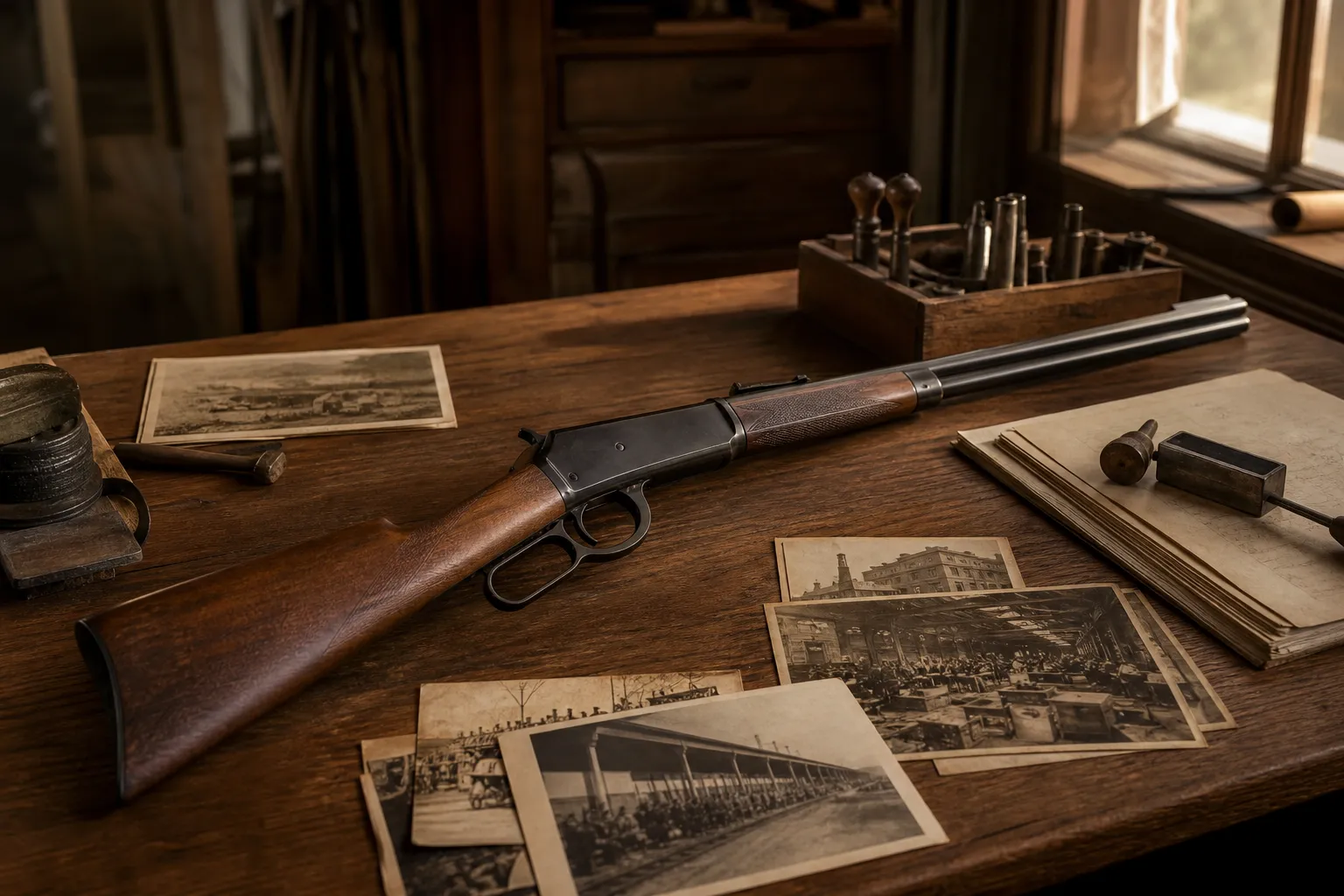
Savage Arms traces its roots to Arthur Savage’s lever-action rifle work and the formation of Savage Repeating Arms Co. in Utica, New York in 1894. For hunters and rifle owners, the short version is this: Savage became famous through the Model 1899 and Model 99 lever-action rifles, later built a long-running bolt-action identity around the Model 110, and today is tied to Westfield, Massachusetts, and Lakefield, Ontario, with ownership now under Smith & Wesson Brands after an October 21, 2026 acquisition.
Origins in Utica and the Model 99 story
Savage’s official history says Savage Repeating Arms Co. was formed in Utica, New York in 1894. The Library of Congress identifies Arthur Savage as the founder and also dates the company to 1894 in New York.
The company’s early identity came from Arthur William Savage’s lever-action design work. Savage’s official timeline says he received an 1891 patent for a repeating rifle with a single-column magazine lever action. The same timeline says Savage received an 1893 patent covering a hammerless design, a striker-fired mechanism, and a stock through-bolt that rigidly integrated the receiver and stock.
Savage’s timeline says a new corporation of Savage Arms was formed in 1897 with eight key stockholders. In 1899, Savage launched the Model 1899 lever action. The National Firearms Museum describes the Model 1895 as the civilian sporter that preceded the Model 1899 and Model 99 line.
The Model 1899 became the Model 99 name in 1920, when Savage’s official timeline says the Model 1899 name was shortened to the well-known Model 99. That rifle remained central to the Savage story for decades. Savage’s timeline says the last Model 99 was produced in Westfield, Massachusetts in 1998.
Early expansion and military production
Savage changed ownership early in the 20th century. Savage’s official timeline says Driggs Seabury-Ordnance Co. bought Savage Arms in 1915.
In 1920, Savage purchased Stevens Arms Co. of Chicopee Falls, Massachusetts, according to Savage’s official timeline. That acquisition became important later because Savage would eventually move operations to the Stevens manufacturing facility after World War II.
Savage also expanded by acquisition in 1930. Its official timeline says the company bought A.H. Fox Gun Co. of Philadelphia, Davis-Warner Arms, and Crescent Arms Co. of Norwich, Connecticut.
Military contracts were part of Savage’s history before and during World War II. Savage’s timeline says the company accepted a contract with Auto-Ordnance Co. in 1938 to manufacture .45 caliber Thompson submachine guns. In 1940, Savage received U.S. government contracts to produce 30- and 50-caliber Browning machine guns. In 1941, Savage received a British Lee-Enfield rifle contract, with production at Stevens, and Savage’s timeline says 1.2 million rifles were produced in record time.
Massachusetts operations: Stevens, Westfield, and the Model 110
After World War II, Savage’s official timeline says the company closed its Utica, New York plant and moved all operations to the Stevens manufacturing facility. That marked the end of Utica as the center of Savage operations in the company’s official chronology.
In 1957, Savage introduced the Model 110 into its bolt-action lineup, according to the company’s timeline. The Model 110 became one of the major milestones in Savage’s modern rifle history.
Savage’s official timeline says the company moved all production to Westfield, Massachusetts in 1960. Westfield later became tied to both older and newer parts of the Savage story. Savage says the last Model 99 was produced there in 1998, and Smith & Wesson’s 2026 acquisition release describes Savage as headquartered in Westfield, Massachusetts.
Private ownership and Lakefield, Ontario
The most clearly documented ownership point in the mid-1990s is the transition to Ronald Coburn. Savage’s official timeline says the company returned to private ownership in 1995 under Ronald Coburn.
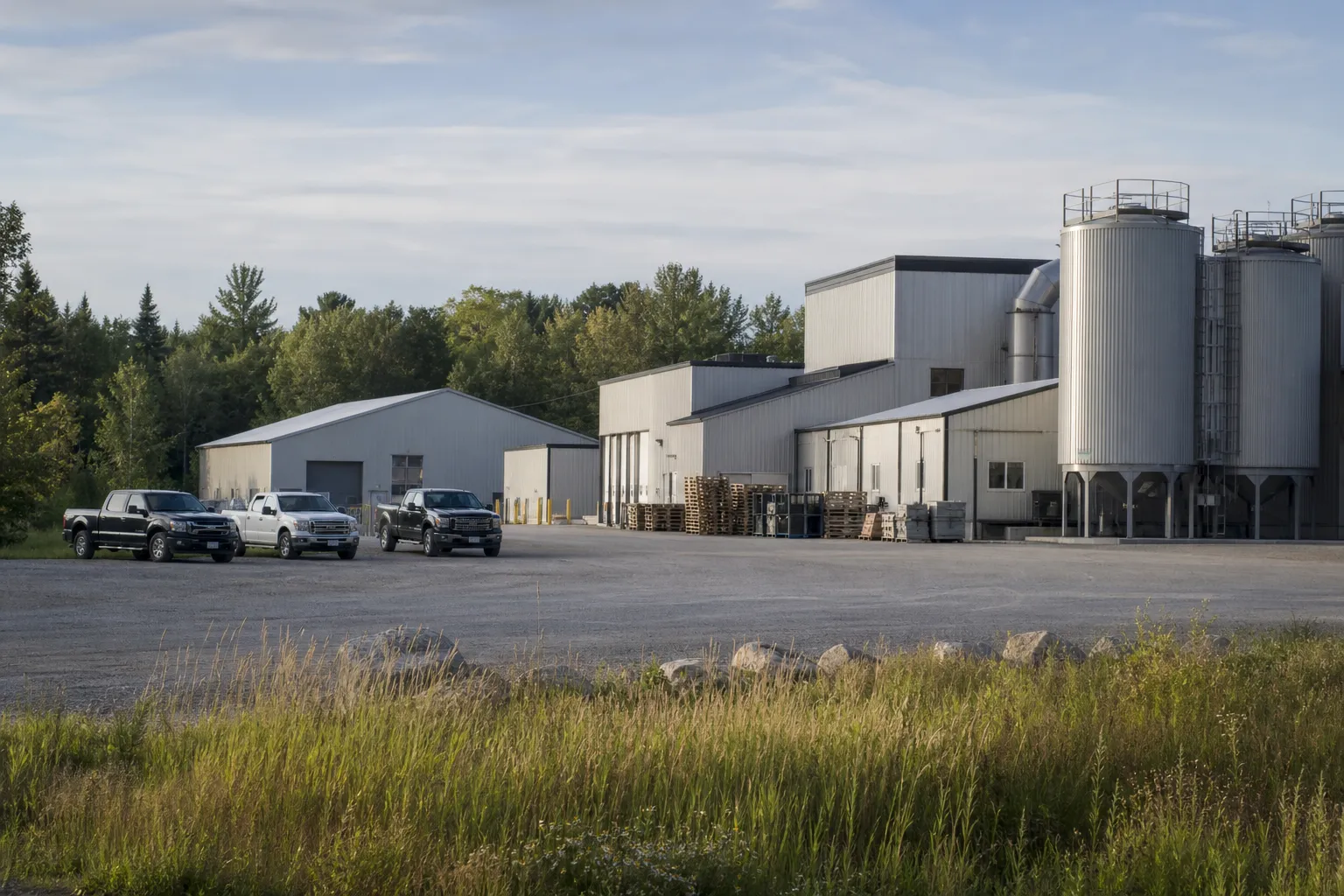
Lakefield, Ontario, entered the Savage story just before that private-ownership period. Savage’s official timeline dates the Lakefield production acquisition for rimfire production to 1994.
Savage’s customer service information says the company currently manufactures the majority of its rimfire models at its Canadian facility in Lakefield, Ontario. The same Savage page says some rimfire production also occurs in Westfield, Massachusetts. That is the safest way to describe current rimfire production: Lakefield is the main rimfire location identified by Savage, but not the only rimfire production location.
ATK, Vista Outdoor, and the 2019 management-led buyout
After the Coburn led private ownership period, Norwest Equity Partners states that it sold Savage to ATK in June 2013.
ATK announced on May 13, 2013 that it had agreed to acquire Caliber Company, the parent company of Savage Sports Corporation. ATK’s 2014 Form 10-K says ATK acquired Caliber Company on June 21, 2013 for $315 million in cash, net of cash acquired, subject to a working-capital adjustment.
Savage then became part of Vista Outdoor through ATK’s sporting business spin-off. A Vista Outdoor SEC filing said Savage Arms was part of ATK’s Sporting Group and would become a Vista Outdoor subsidiary after the spin-off. Vista Outdoor completed its spin-off from ATK on February 9, 2015 and began regular-way NYSE trading on February 10, 2015.
Vista Outdoor later sold the Savage business. Vista announced on July 8, 2019 that it had completed the sale of the legal entity operating the Savage Arms and Stevens firearms brands for a total purchase price of $170 million. Vista’s July 2019 release also stated that ATK acquired Savage in 2013 and that ATK’s sporting business, which included Savage, spun off in 2015 to become Vista Outdoor.
Savage’s own July 8, 2019 release described the transaction as a management-led buyout to a group of investors headed by Al Kasper, then Savage president and CEO.
Current ownership after the 2026 Smith & Wesson acquisition
Smith & Wesson announced that it acquired the Savage Arms business by merger from an indirect subsidiary of JDH Capital I, L.P. on October 21, 2026. Smith & Wesson’s release said the transaction valued Savage at $160.0 million, subject to customary adjustments, and was completed on October 21, 2026.
Smith & Wesson’s Form 8-K identifies the transaction parties as Long Range Intermediate LLC, Savarms, L.P., and JDH Capital I, L.P. The filing describes Savarms, L.P. as a Texas limited partnership and a wholly owned subsidiary of JDH Capital I, L.P.
In business-history terms, the ownership chain now runs from Savage’s 1894 founding, through the Coburn-led private ownership era, the ATK and Vista Outdoor years, the 2019 management-led buyout, and the 2026 acquisition by Smith & Wesson Brands.
Modern product families and milestones
Savage’s current and recent product categories, as reflected on its manuals page, include centerfire rifles, rimfire rifles, shotguns, handguns, suppressors, muzzleloading, MSR, and lever action. For a hunter or rifle owner, the broadest Savage identity remains rifles, especially centerfire and rimfire rifles, but the brand’s own materials show a wider firearms and accessory catalog.
Savage’s official timeline highlights several modern milestones:
| Year | Savage milestone |
|---|---|
| 1957 | Model 110 introduced into the bolt-action lineup |
| 1994 | Lakefield production acquired for rimfire production |
| 1998 | Last Model 99 produced in Westfield, Massachusetts |
| 2002 | AccuTrigger introduced |
| 2009 | AccuStock chassis system introduced |
| 2010 | AXIS bolt-action rifle introduced |
Savage’s manuals page also identifies current or recent categories such as MSR, muzzleloading, suppressors, handguns, and lever action. Those categories should be read as broad product-family references, not as a claim that every model or configuration is made in the same facility.
Ownership timeline at a glance
| Date | Event |
|---|---|
| 1894 | Savage Repeating Arms Co. formed in Utica, New York |
| 1897 | New corporation of Savage Arms formed with eight key stockholders |
| 1915 | Driggs Seabury-Ordnance Co. bought Savage Arms |
| 1920 | Savage purchased Stevens Arms Co. of Chicopee Falls, Massachusetts |
| 1995 | Savage returned to private ownership under Ronald Coburn |
| June 21, 2013 | ATK acquired Caliber Company, parent of Savage Sports Corporation |
| February 9, 2015 | Vista Outdoor spin-off from ATK completed |
| July 8, 2019 | Vista Outdoor completed sale of Savage and Stevens brands for $170 million |
| October 21, 2026 | Smith & Wesson completed acquisition of the Savage Arms business |
What Westfield and Lakefield mean today
Westfield, Massachusetts is the central U.S. location in Savage’s modern company history. Savage says all production moved to Westfield in 1960, and Smith & Wesson’s 2026 release describes Savage as headquartered there.
Lakefield, Ontario is the Canadian rimfire facility identified by Savage. Savage says the majority of its rimfire models are currently manufactured in Lakefield, while some rimfire production also takes place in Westfield.
That division is useful for understanding the company, but it should not be stretched too far. Unless Savage identifies the production location for a specific model, readers should avoid assuming where a particular rifle was made based only on product family.
Frequently asked questions
Who founded Savage Arms?
The Library of Congress identifies Arthur Savage as the founder of Savage Arms and dates the company to 1894 in New York. Savage’s official history says Savage Repeating Arms Co. was formed in Utica, New York in 1894.
When did the Savage Model 99 begin?
Savage launched the Model 1899 lever action in 1899. Savage’s official timeline says the Model 1899 name was shortened to Model 99 in 1920.
When did Savage move to Westfield, Massachusetts?
Savage’s official timeline says the company moved all production to Westfield, Massachusetts in 1960. Smith & Wesson’s 2026 release describes Savage as headquartered in Westfield.
Where are Savage rimfire rifles made?
Savage says the majority of its rimfire models are currently manufactured at its Canadian facility in Lakefield, Ontario. Savage also says some rimfire production occurs in Westfield, Massachusetts.
When did Vista Outdoor sell Savage Arms?
Vista Outdoor announced on July 8, 2019 that it completed the sale of the legal entity operating the Savage Arms and Stevens firearms brands for a total purchase price of $170 million. Savage described the deal as a management led buyout headed by Al Kasper.
Who owns Savage Arms now?
Smith & Wesson announced that it completed the acquisition of the Savage Arms business on October 21, 2026. Smith & Wesson’s SEC filing identifies Long Range Intermediate LLC, Savarms, L.P., and JDH Capital I, L.P. in the transaction structure.
Sources
- About Us | Firearm Innovation & History | Savage Arms, Savage ArmsOfficial source. Accessed October 23, 2026.
- Where are the rimfire rifles manufactured?, Savage Arms SupportOfficial source. Accessed October 23, 2026.
- Download Owners Manual | All Firearms | Savage Arms, Savage ArmsOfficial source. Accessed October 23, 2026.
- Savage, Sharps, L.C. Smith, American Firearms and Their Makers: A Research Guide, Library of Congress. Accessed October 23, 2026.
- Savage Model 99 Lever Action Rifle, NRA National Firearms Museum. Accessed October 23, 2026.
- Gower v. Savage Arms, Inc., 166 F. Supp. 2d 240 (E.D. Pa. 2001), Justia, reproducing federal court opinion. Accessed October 23, 2026.
- Long Point Capital Hits the Mark with Savage Sports Exit, Long Point CapitalOfficial source. Accessed October 23, 2026.
- Savage Sports, Norwest Equity PartnersOfficial source. Accessed October 23, 2026.
- ATK to Acquire Caliber Company, Parent Company of Savage Sports Corporation, U.S. Securities and Exchange Commission, ATK exhibit. Accessed October 23, 2026.
- ATK Form 10-K for fiscal year ended March 31, 2014, U.S. Securities and Exchange Commission. Accessed October 23, 2026.
- Vista Outdoor Form 10 / Information Statement exhibit, U.S. Securities and Exchange Commission. Accessed October 23, 2026.
- Vista Outdoor Successfully Completes Spin-Off from ATK and Begins Trading as Independent Company, U.S. Securities and Exchange Commission, Vista Outdoor exhibit. Accessed October 23, 2026.
- Vista Outdoor Announces Sale of Savage Brand, Vista Outdoor via PR NewswireOfficial source. Accessed October 23, 2026.
- Savage Arms Sale Final, Savage Arms / Vista Outdoor press release PDFOfficial source. Accessed October 23, 2026.
- Smith & Wesson Acquires Savage Arms, U.S. Securities and Exchange Commission, Smith & Wesson exhibit. Accessed October 23, 2026.
- Smith & Wesson Brands, Inc. Form 8-K dated October 21, 2026, U.S. Securities and Exchange Commission. Accessed October 23, 2026.