+P Ammunition
+P ammunition is a higher pressure version of a handgun cartridge where SAAMI lists a specific +P entry. Use it only in firearms that the firearm manufacturer says are designed or recommended for that cartridge.
By RaiS. Reviewed by RaiS. Published . 5 min read.
Research and drafting were assisted by AI. RaiS checked the facts against the sources below and approved this page.
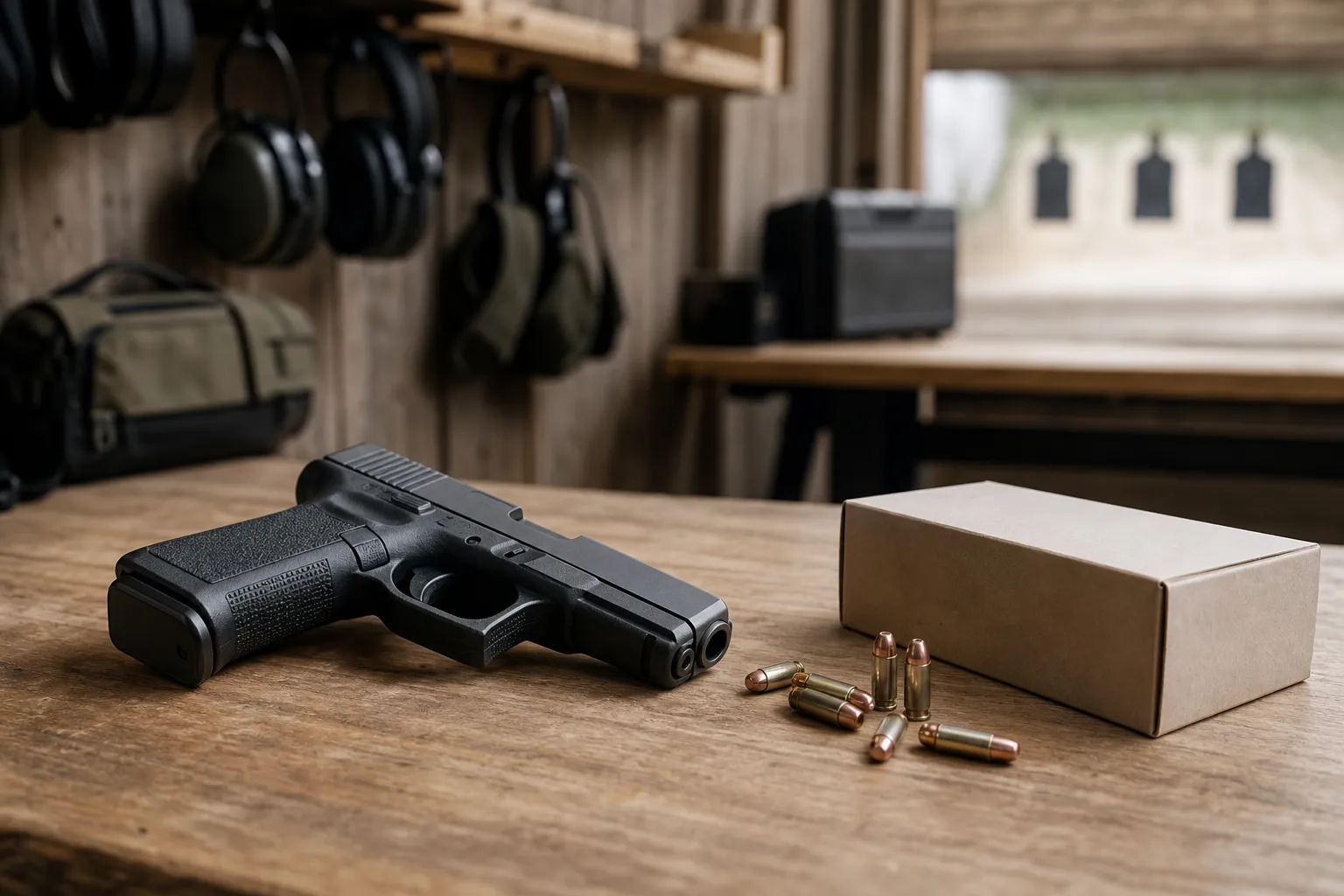
+P ammunition means a higher pressure loading for a cartridge, not a bullet style or an ammunition brand. In SAAMI’s centerfire pistol and revolver standard, +P handgun entries include 9mm Luger +P, 38 Special +P, and 38 Super Automatic +P. SAAMI says +P ammunition is marked with “+P” on the case headstamp and should be used only in firearms specially designed for that cartridge and recommended by the firearm manufacturer.
What is +P ammo?
“+P” means “plus pressure” in ordinary shooting vocabulary, but the important point is the standard behind the marking. SAAMI describes +P pistol and revolver ammunition as ammunition loaded to a higher pressure, with the +P marking on the case headstamp, to achieve higher velocity.
SAAMI publishes the relevant centerfire pistol and revolver standard as SAAMI Z299.3, a voluntary industry performance standard for pressure and velocity of centerfire pistol and revolver ammunition. SAAMI says its standards are intended to provide safety, reliability, and interchangeability standards for commercial manufacturers of firearms, ammunition, and components.
So, if you are asking “what is +P ammo?” or “what does +P mean?”, the short answer is this: +P is a pressure category for certain handgun cartridges where SAAMI has a specific +P listing. It is not a hollow point designation, not a bullet weight, and not a brand name.
Which handgun cartridges have SAAMI +P entries?
SAAMI Z299.3 lists these active +P pistol and revolver cartridge and chamber names:
- 9mm Luger +P, abbreviated 9mm Luger +P.
- 38 Special +P, abbreviated 38 Spl +P.
- 38 Super Automatic +P, abbreviated 38 Super Auto +P.
SAAMI says its recommended full or abbreviated cartridge names should be used on cartridge headstamps and firearm markings to properly identify caliber.
SAAMI also says it does not approve or certify firearms or ammunition products. For a specific box of ammunition or a specific firearm, SAAMI says users should contact the manufacturer to determine whether the product was made according to SAAMI voluntary standards.
SAAMI pressure listings for common +P handgun ammunition
SAAMI recognizes copper crusher and piezoelectric transducer systems for centerfire pistol and revolver pressure measurement. SAAMI says the “psi” designation applies to values obtained with transducers and methods outlined in the standard.
SAAMI pressure tables use a shorthand format. SAAMI explains that pressure units are reduced by a factor of 100 in tabular form, so a table value of 385 means 38,500 psi.
The listed values include 38 Special at 17,000 psi, 38 Special +P at 20,000 psi, and 38 Super Automatic +P at 36,500 psi.
These numbers are pressure standards, not a promise that a particular firearm should use the higher pressure loading. The firearm manufacturer’s instructions still control whether +P ammunition is recommended for that firearm.
How to recognize +P ammunition
SAAMI says +P ammunition is indicated by the “+P” marking on the case headstamp. SAAMI defines a headstamp as the numerals, letters, symbols, or combinations stamped into the head of a cartridge case or shotshell to identify the manufacturer, caliber or gauge, and other additional information.
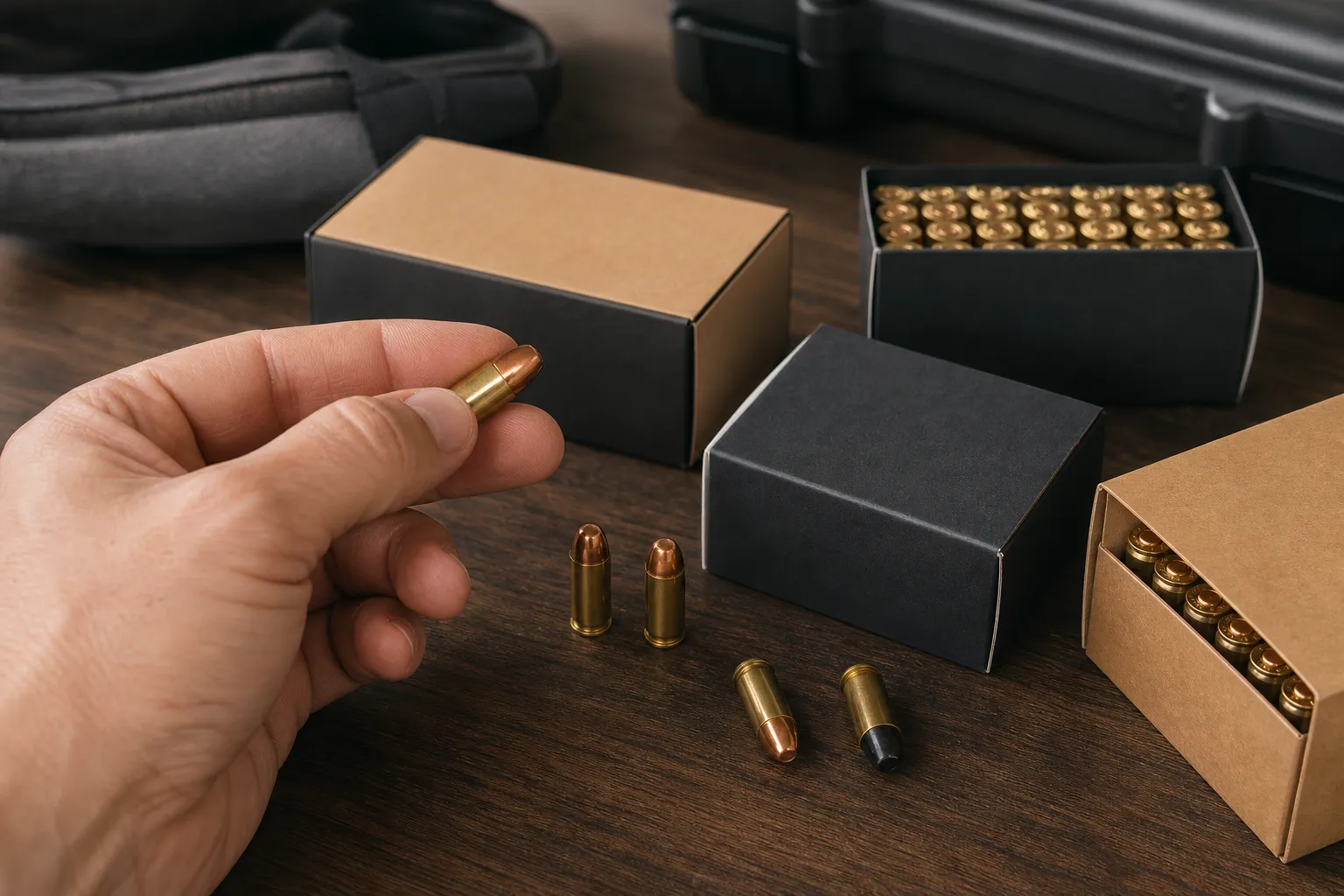
For a handgun cartridge, the headstamp is the marking on the base of the cartridge case. If a cartridge is a SAAMI +P loading, SAAMI’s language says the +P marking appears on the case headstamp.
SAAMI advises checking the ammunition head stamp against the firearm markings to verify correct ammunition. SAAMI also warns that just because a round of ammunition can fit into a firearm’s chamber, barrel, or action, that does not necessarily mean it is safe to use in that firearm.
That matters with +P because the cartridge name alone is not the whole question. A firearm marked for a standard cartridge may not be recommended by its manufacturer for the +P version.
When should +P be used in a firearm?
SAAMI says +P ammunition should be used only in firearms especially designed for that cartridge and recommended by the firearm manufacturer.
Firearm makers use similar caution in their public guidance and manuals. GLOCK recommends ammunition that meets SAAMI or other industry standards, and says some +P ammunition meets those guidelines. GLOCK also says higher pressure ammunition may generate higher pressure than standard ammunition and could shorten the life of firearm parts.
Smith & Wesson manual language says “Plus P” ammunition generates pressures in excess of the pressures associated with standard ammunition and may increase service needs.
The safe reading is simple: do not assume +P is appropriate because the cartridge fits. Check the firearm’s manual or the firearm maker’s current guidance for that exact model and cartridge.
What about +P+ ammunition?
+P+ is not the same as +P. GLOCK and Smith & Wesson give especially cautious guidance about +P+.
GLOCK says +P+ usually does not meet SAAMI or other industry standards. Smith & Wesson manual language says the +P+ designation exceeds established industry standards but does not represent defined pressure limits, and that such ammunition may vary significantly as to the pressures generated. Smith & Wesson also says +P+ ammunition is not recommended for use in Smith & Wesson firearms.
That makes +P+ a separate question from SAAMI listed +P ammunition. A firearm manufacturer’s statement that some +P ammunition is acceptable should not be read as approval for +P+.
Common box reading tips
When reading an ammunition box, separate these markings:
- Cartridge name, such as 9mm Luger, 38 Special, or 45 Automatic.
- Pressure marking, such as +P, when present on the case headstamp.
- Manufacturer statements about standards, such as a statement that the ammunition meets SAAMI specifications.
- Firearm maker guidance, which determines whether that ammunition is recommended in a particular firearm.
Speer states that its +P ammunition meets SAAMI specification. That kind of ammunition maker statement can help identify the standard being stated, but it still does not replace the firearm manufacturer’s instructions for a specific gun.
Bottom line
+P means a higher pressure version of certain handgun ammunition where SAAMI lists a +P entry, and SAAMI says it is marked with +P on the case headstamp. Use +P only in firearms specially designed for that cartridge and recommended by the firearm manufacturer.
Before using +P ammunition, check the cartridge headstamp against the firearm markings, read the firearm manual, and confirm the firearm maker’s current guidance for that exact model. Treat +P+ as a separate category and do not assume it follows the same standards as +P.
Frequently asked questions
What does +P mean on ammunition?
+P means the ammunition is loaded to higher pressure for a cartridge where SAAMI lists a specific +P entry. SAAMI says +P pistol and revolver ammunition is marked with +P on the case headstamp to indicate the higher pressure loading.
Which handgun cartridges have SAAMI +P listings?
In SAAMI Z299.3 for centerfire pistol and revolver ammunition, the active +P entries are 9mm Luger +P, 38 Special +P, and 38 Super Automatic +P.
Is +P the same as +P+?
No. +P+ should be treated separately. GLOCK says +P+ usually does not meet SAAMI or other industry standards, and Smith & Wesson manual language says +P+ does not represent defined pressure limits.
How can I tell if a cartridge is +P?
SAAMI says +P ammunition is indicated by the +P marking on the case headstamp. SAAMI defines a headstamp as the markings stamped into the head of the cartridge case to identify the manufacturer, caliber or gauge, and other information.
Can I use +P ammo if it fits in my handgun?
Not by fit alone. SAAMI warns that a cartridge fitting in a firearm does not necessarily mean it is safe to use. SAAMI says +P ammunition should be used only in firearms specially designed for that cartridge and recommended by the firearm manufacturer.
Does SAAMI approve +P ammunition products?
SAAMI says it does not approve or certify firearms or ammunition products. It publishes voluntary standards, and users should contact the manufacturer to determine whether a product was made according to SAAMI voluntary standards.
Sources
- SAAMI Standards, Sporting Arms and Ammunition Manufacturers' InstituteOfficial source. Accessed October 23, 2026.
- SAAMI Z299.3 2022 Centerfire Pistol & Revolver Ammunition, Sporting Arms and Ammunition Manufacturers' InstituteOfficial source. Accessed October 23, 2026.
- HEADSTAMP, Sporting Arms and Ammunition Manufacturers' InstituteOfficial source. Accessed October 23, 2026.
- Generally Accepted Cartridge and Chamber Names, Sporting Arms and Ammunition Manufacturers' InstituteOfficial source. Accessed October 23, 2026.
- SAAMI FAQs, Sporting Arms and Ammunition Manufacturers' InstituteOfficial source. Accessed October 23, 2026.
- GLOCK Answers Frequently Asked Questions, GLOCK, Inc.Official source. Accessed October 23, 2026.
- Frequently Asked Questions, SIG SAUEROfficial source. Accessed October 23, 2026.
- Owner’s Manual, Smith & WessonOfficial source. Accessed October 23, 2026.
- FAQs, SpeerOfficial source. Accessed October 23, 2026.