Does Ammo Expire? Ammunition Shelf Life and Storage
Ammunition does not have one universal expiration date, but several manufacturers give shelf-life guidance of about 10 years when it is stored properly. Storage conditions matter most: keep ammunition cool, dry, correctly packaged, protected from heat, sunlight, moisture, chemicals, and unauthorized access.
By RaiS. Reviewed by RaiS. Published . 7 min read.
Research and drafting were assisted by AI. RaiS checked the facts against the sources below and approved this page.
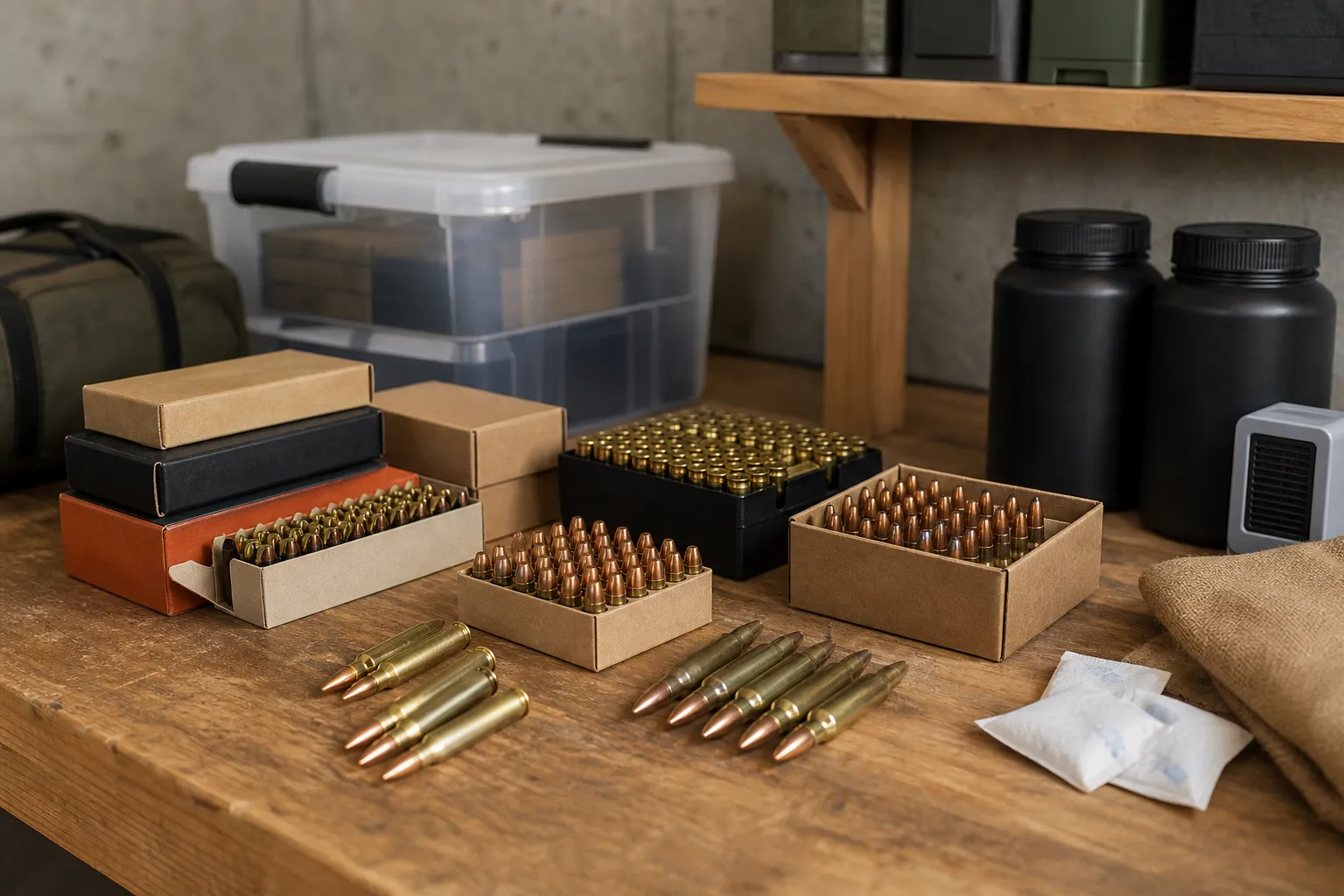
Ammunition does not have one universal expiration date. Instead, manufacturers give shelf-life guidance, and that guidance depends heavily on storage conditions. Federal and Remington both state that properly stored loaded ammunition has a 10-year shelf life, while Norma says not to use ammunition older than 15 years, and RWS recommends using ammunition within 10 years of purchase.
Short answer: does ammo expire?
Ammunition can become unsafe or unreliable over time, but age by itself is not the only issue. SAAMI, the Sporting Arms and Ammunition Manufacturers’ Institute, focuses its safety guidance on damage from heat, humidity, water, chemicals, and poor storage.
That is why two boxes of the same ammunition can age very differently. A factory carton kept cool, dry, and protected from sunlight is not in the same condition as ammunition left in a hot vehicle, stored in a damp basement, exposed to solvents, or carried loose until it is dented or corroded.
Manufacturer guidance is not identical:
| Manufacturer or organization | Shelf-life or storage guidance |
|---|---|
| Federal | Properly stored loaded ammunition and reloading components have a 10-year shelf life. |
| Remington | Properly stored loaded ammunition has a 10-year shelf life. |
| RWS | Recommends using ammunition within 10 years of purchase. |
| Norma | Says not to use ammunition older than 15 years. |
| SAAMI | Emphasizes proper storage and says not to use ammunition that has been damaged or is suspected to be damaged. |
For stored ammunition, the practical question is not just “How old is it?” It is also “How was it stored, and does it show any warning signs?”
What makes stored ammunition go bad
SAAMI says extended exposure to high temperatures or high humidity may damage ammunition. It also says environmental or chemical damage may cause increased or decreased chamber pressure, incomplete propellant burning, or failure to fire.
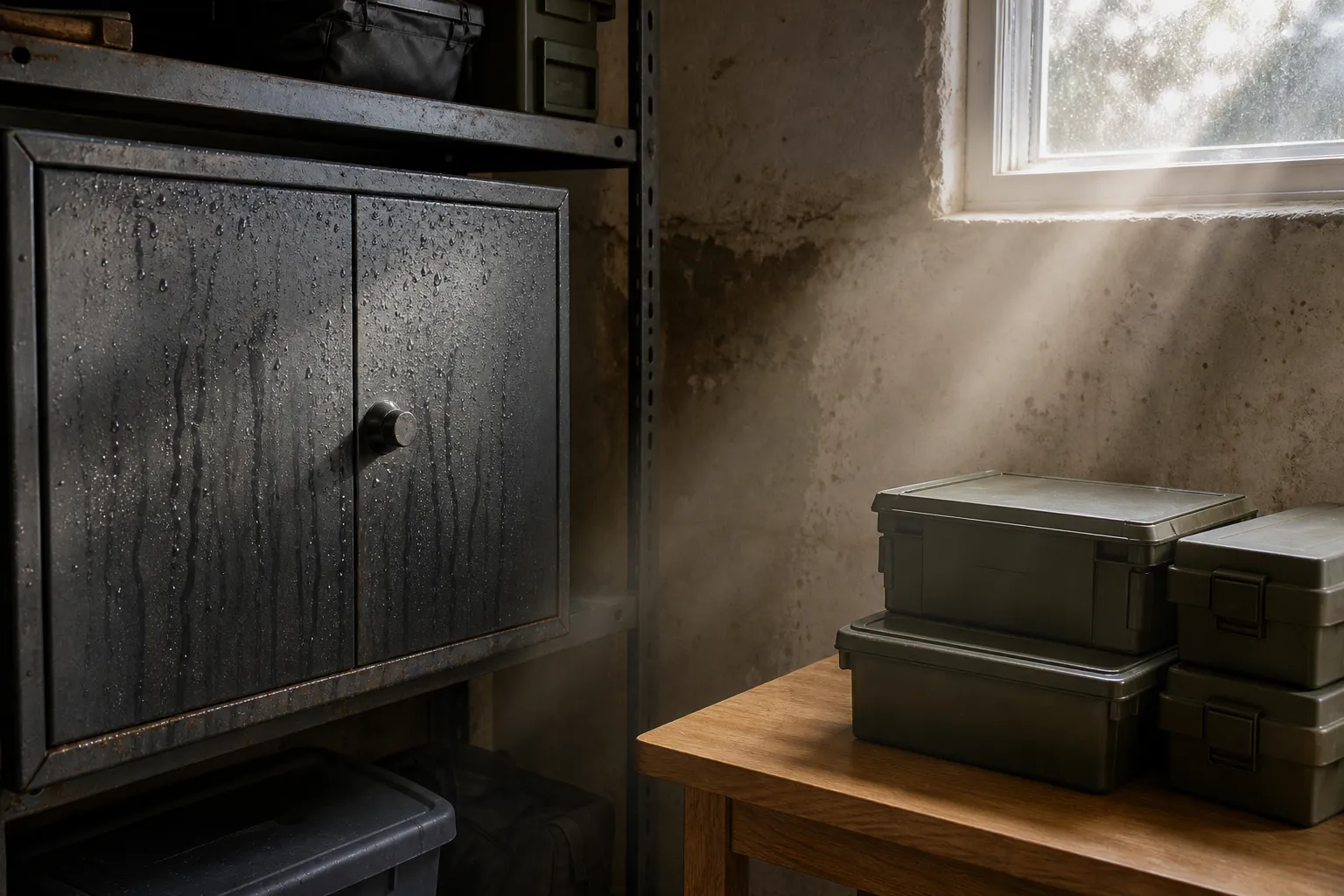
Moisture and humidity
Moisture is one of the main storage problems. SAAMI identifies water exposure as a way ammunition can be damaged, and Remington says poor storage conditions such as a humid or corrosive atmosphere could cause product damage immediately.
SAAMI also says rimfire ammunition is much more susceptible than other ammunition types to moisture damage. Limited exposure to light rain, snow, or damp ground can be tolerated if the cartridges are wiped dry immediately, according to SAAMI, but that is different from submersion.
Heat and sunlight
Heat is another major concern. SAAMI warns that leaving ammunition in vehicles for extended periods in sunlight or elevated temperatures can accelerate deterioration of the propellant.
Federal says ammunition should be stored in a cool, dry place, protected from direct sunlight. SAAMI also says ammunition should be kept away from heat sources and open flames.
SAAMI’s fire-exposure guidance adds that heat can permanently degrade ammunition’s energetic components even if the round did not ignite. It says heat-degraded primers can show increased misfire rates, and degraded smokeless powder can change burning rate and produce significantly increased or decreased pressure.
SAAMI says ammunition, propellant, or primers exposed to excessive temperatures above about 200 F should be safely disposed of.
Chemicals, oils, and solvents
SAAMI identifies water, solvents, petroleum products, acids, ammonia, and other chemicals as exposures that can damage ammunition. It also says primers exposed to water or organic solvents such as paint thinner, gasoline, kerosene, oil, or grease may deteriorate.
That matters because damage does not have to be visible from the outside. SAAMI says moisture or chemicals inside a cartridge can cause failure to fire, incomplete burning, or delayed firing.
Primer and powder breakdown
Ammunition contains energetic components that can degrade when exposed to poor conditions. SAAMI says deteriorating smokeless powders may smell acidic, similar to vinegar, and may produce reddish-brown fumes. SAAMI also says elevated temperatures can cause smokeless powder deterioration and may accelerate further reaction.
For the shooter, the important point is simple: damaged primer or powder performance can lead to failure to fire, delayed firing, incomplete burning, or abnormal pressure. Those are reasons to stop using questionable ammunition rather than trying to “use it up.”
Warning signs and situations where ammunition should not be fired
SAAMI says not to use ammunition that has been damaged or is suspected to be damaged. It also says to properly dispose of cartridges or shotshells that show corrosion, deep dents, scratches, or other physical damage.
Do not fire ammunition in these situations:
- It shows corrosion.
- It has deep dents, scratches, or other physical damage.
- It was submerged in water.
- It was exposed to fire or extreme heat.
- It may have been contaminated by solvents, petroleum products, acids, ammonia, oil, grease, or other chemicals.
- It requires abnormal force to chamber.
- It is older than the manufacturer’s shelf-life guidance and that manufacturer says not to use it or to contact authorities for disposal help.
SAAMI says ammunition should chamber easily and that a cartridge requiring abnormal force to close the bolt or breech of any firearm should never be fired.
Submerged ammunition deserves special caution. SAAMI says the safe answer is not to attempt to salvage or use previously submerged ammunition. It also warns that drying submerged cartridges with direct heat can degrade the smokeless propellant inside the case and make a round unsafe to fire.
A weak or abnormal shot can indicate a dangerous problem. SAAMI says partially ignited powder can create insufficient pressure to push the projectile clear of the barrel, creating a bore obstruction. See the ProjectGuns Squib Load glossary entry for the basic definition and the reminder to stop immediately after a weak or abnormal shot.
How to store ammunition
Good ammunition storage is mostly about controlling heat, moisture, chemicals, packaging, and access. SAAMI recommends storing ammunition in its original packaging or other packaging designed for ammunition.
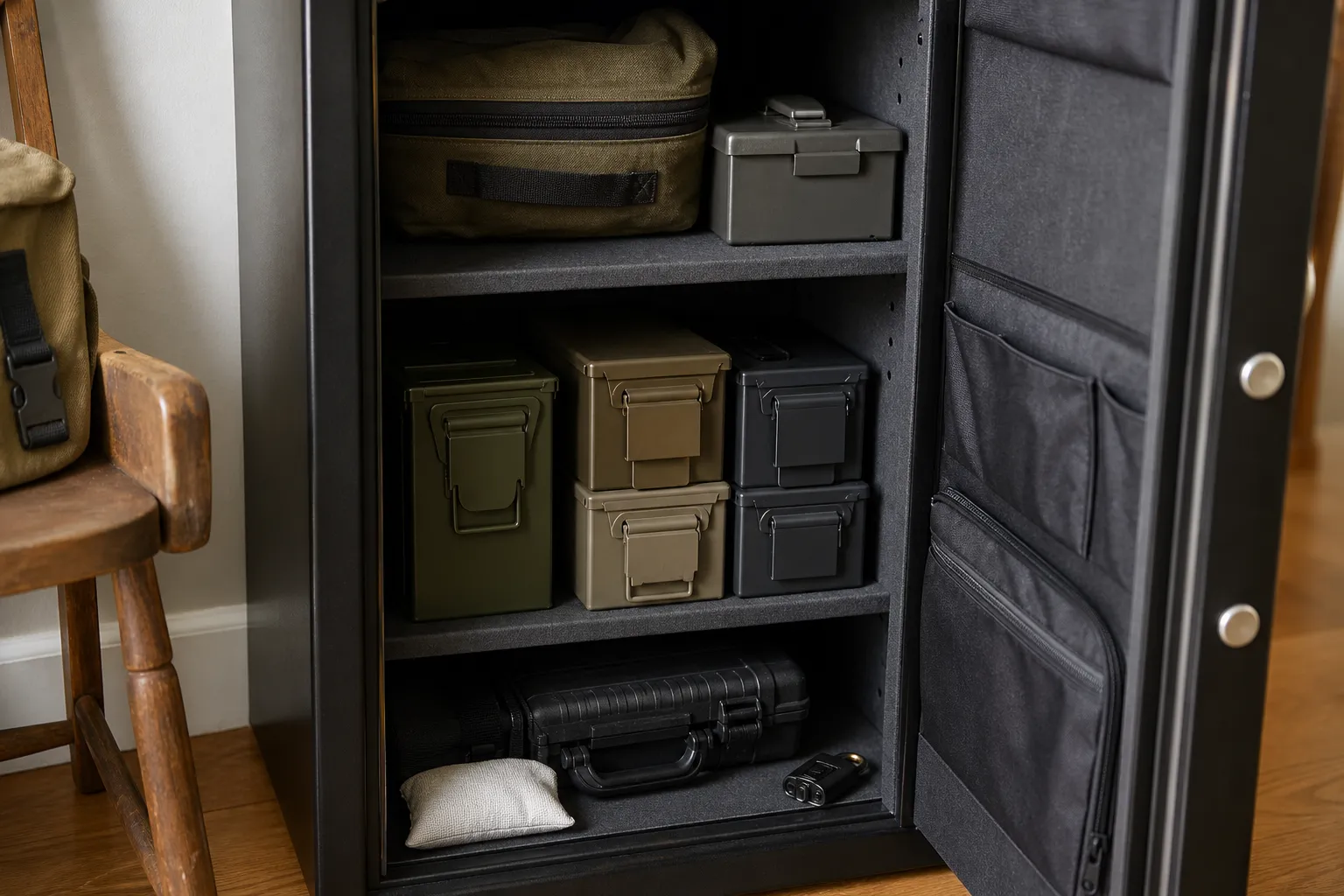
Original packaging has a practical benefit too. Remington says ammunition should be stored in the factory carton or package because original labeling helps ensure proper future use.
Use these storage practices:
- Store ammunition in the original factory carton or other packaging designed for ammunition.
- Keep it in a cool, dry location.
- Protect it from direct sunlight.
- Keep it away from solvents, chemicals, heat sources, and open flames.
- Avoid extended storage in vehicles, especially in sunlight or elevated temperatures.
- Store it separately from firearms.
- Make it inaccessible to unauthorized people.
Federal gives similar guidance, saying ammunition should be stored cool, dry, and protected from direct sunlight. SAAMI specifically warns that extended storage in vehicles in sunlight or elevated temperatures can accelerate propellant deterioration.
For long-term organization, airtight storage can help control humidity. MTM recommends desiccant packs inside airtight storage containers to help prevent corrosion and support shelf life, and says airtight storage helps prevent humidity from reaching ammunition. MTM also recommends maintaining relative humidity between 30 percent and 50 percent. Norma recommends cool storage at a constant 12 to 15 C and about 50 percent relative humidity.
Avoid storage locations that create the same problems the manufacturers warn about: heat, sunlight, high humidity, corrosive atmospheres, and chemical exposure. Damp basements, hot vehicles, and moisture-prone garages are poor choices when those conditions are present.
Do not tumble unfired ammunition. Remington says tumbling unfired ammunition can be very dangerous because it may detonate inside the tumbler or change powder characteristics in a way that can result in serious injury during firing.
What if ammunition got wet?
SAAMI distinguishes brief surface exposure from submersion. It says limited exposure to light rain, snow, or damp ground can be tolerated if cartridges are wiped dry immediately.
Submersion is different. SAAMI says not to attempt to salvage or use previously submerged ammunition. It also says submerged ammunition should be disposed of under applicable local, state, and federal regulations and should not be shipped back to the manufacturer.
Do not try to solve water damage with direct heat. SAAMI says using direct heat on submerged cartridges can degrade the smokeless propellant inside the case.
Safe disposal of questionable ammunition
If ammunition is damaged, suspected to be damaged, submerged, exposed to fire, exposed to extreme heat, or outside the manufacturer’s use guidance, do not fire it. SAAMI says damaged ammunition should be properly disposed of, and Federal says disposal rules can differ by state, county, or city.
SAAMI says local law enforcement, fire departments, or shooting facilities may be able to provide disposal guidance. Federal recommends contacting a local hazmat facility because regulations can vary. Remington says that if ammunition is exposed to fire or older than shelf life, contact local authorities for disposal help.
For submerged ammunition, SAAMI says to follow applicable local, state, and federal regulations, contact local law enforcement for guidance, and not ship the ammunition back to the manufacturer.
Bottom line
Ammunition does not have one universal expiration date, but it can become unreliable or unsafe when age is combined with poor storage, moisture, heat, corrosion, chemical exposure, or physical damage. Federal and Remington give a 10-year shelf life for properly stored loaded ammunition, RWS recommends use within 10 years of purchase, and Norma says not to use ammunition older than 15 years.
Before using stored ammunition, check the manufacturer’s current guidance for that ammunition and confirm disposal rules with the appropriate local authority, law enforcement agency, fire department, shooting facility, or hazmat facility when needed.
Frequently asked questions
Does ammunition expire after 10 years?
There is no single universal expiration date. Federal and Remington state that properly stored loaded ammunition has a 10-year shelf life, and RWS recommends using ammunition within 10 years of purchase. Norma gives different guidance and says not to use ammunition older than 15 years.
What is the biggest cause of stored ammunition going bad?
SAAMI identifies high temperature, high humidity, water, solvents, petroleum products, acids, ammonia, and other chemicals as exposures that can damage ammunition. These conditions can affect firing reliability and pressure.
Can I shoot ammunition that got wet?
SAAMI says limited exposure to light rain, snow, or damp ground can be tolerated if cartridges are wiped dry immediately. Previously submerged ammunition should not be salvaged or used, according to SAAMI.
What does bad ammunition look like?
SAAMI says cartridges or shotshells with corrosion, deep dents, scratches, or other physical damage should be properly disposed of. SAAMI also says never to fire a cartridge that requires abnormal force to chamber.
How should I store ammunition long term?
SAAMI recommends storing ammunition in original packaging or other packaging designed for ammunition, in a cool, dry location away from solvents, chemicals, heat sources, and open flames. It also recommends storing ammunition separately from firearms and making it inaccessible to unauthorized people.
Where can I dispose of old or damaged ammunition?
SAAMI says local law enforcement, fire departments, or shooting facilities may be able to provide disposal guidance. Federal recommends contacting a local hazmat facility because disposal rules can vary by state, county, or city.
Sources
- Recommendations for Safe Ammunition Storage and Handling, Sporting Arms and Ammunition Manufacturers' InstituteOfficial source. Accessed October 27, 2026.
- Guidance on Ammunition That Has Been Submerged in Water, Sporting Arms and Ammunition Manufacturers' InstituteOfficial source. Accessed October 27, 2026.
- Guidance on Firearms, Ammunition and Smokeless Propellant Exposed to Fire (or Extreme Temperatures), Sporting Arms and Ammunition Manufacturers' InstituteOfficial source. Accessed October 27, 2026.
- Smokeless Powder: Properties & Storage, Sporting Arms and Ammunition Manufacturers' InstituteOfficial source. Accessed October 27, 2026.
- Sporting Ammunition Primers: Properties, Handling & Storage, Sporting Arms and Ammunition Manufacturers' InstituteOfficial source. Accessed October 27, 2026.
- FAQs, Federal AmmunitionOfficial source. Accessed October 27, 2026.
- Remington FAQ, Remington AmmunitionOfficial source. Accessed October 27, 2026.
- FAQ, Ballistics, Ammunition & Reloading, Norma PrecisionOfficial source. Accessed October 27, 2026.
- How long can you store ammunition and still be sure of its functionality and safety?, RWS AmmunitionOfficial source. Accessed October 27, 2026.
- Ammo Storage Guide: How to Store Ammunition Safely for Long-Term Reliability, MTM Case-GardOfficial source. Accessed October 27, 2026.
- Firearm Safety and Storage, ProjectGuns. Accessed October 27, 2026.