Squib Load
A squib load is a cartridge or shell that fires with much lower than normal sound and projectile speed and may leave projectile material or a wad in the bore. If you hear a weak or abnormal shot, stop immediately, keep the muzzle pointed safely, unload according to the firearm manual, and get qualified help for any suspected obstruction before firing again.
By RaiS. Reviewed by RaiS. Published . 5 min read.
Research and drafting were assisted by AI. RaiS checked the facts against the sources below and approved this page.
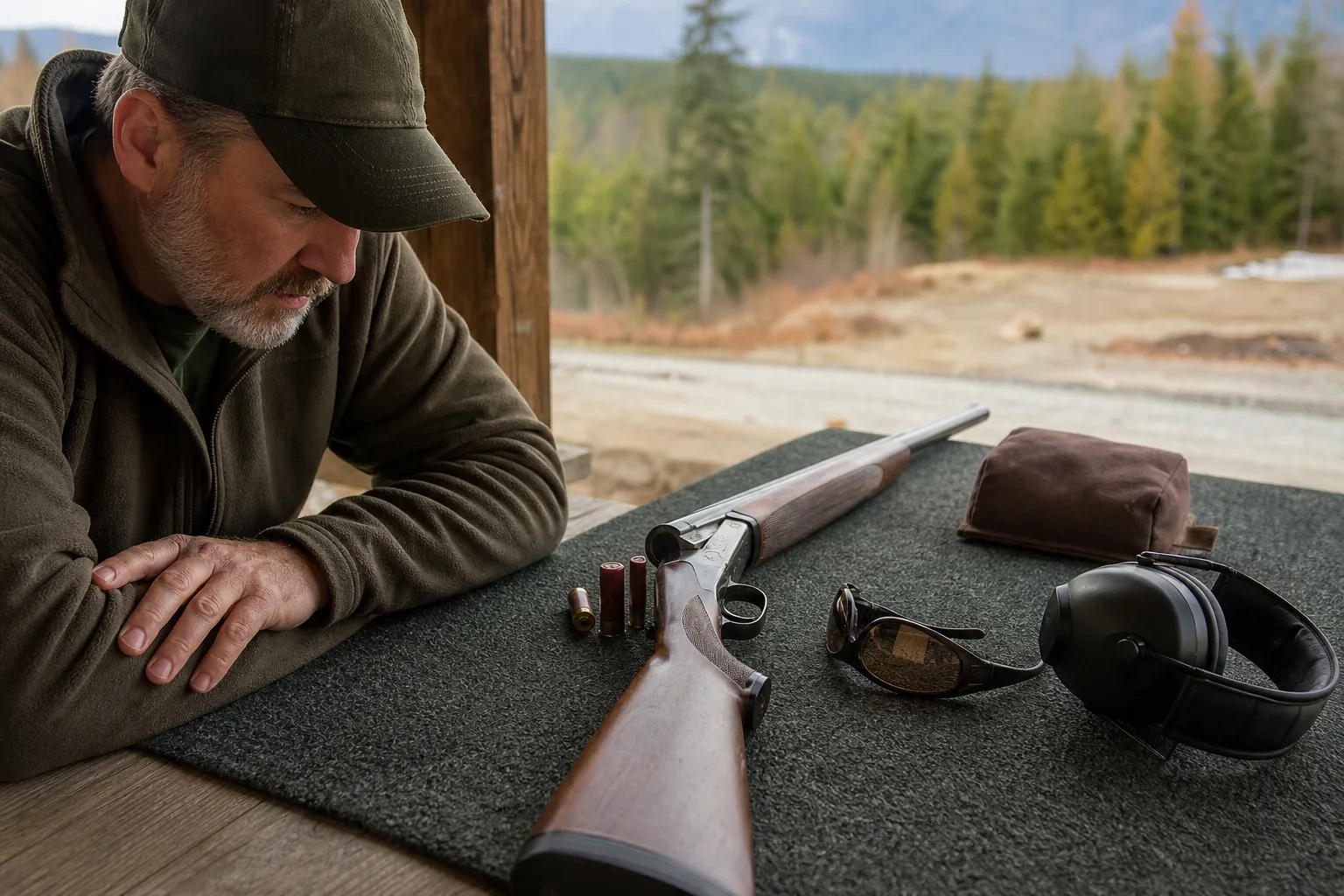
A squib load is a cartridge or shell that fires with substantially lower than normal projectile velocity and sound, according to SAAMI. The danger is that the projectile material or wad may remain in the bore, creating an obstruction. If a shot sounds weak or feels unusually light, stop firing immediately, keep the muzzle pointed in a safe direction, unload according to the firearm manual, and do not fire again until the bore is confirmed clear and any obstruction has been handled by qualified personnel.
What a squib load means
SAAMI defines a squib load as a cartridge or shell that produces projectile velocity and sound substantially lower than normal. SAAMI also notes that it may leave projectile material or wads in the bore.
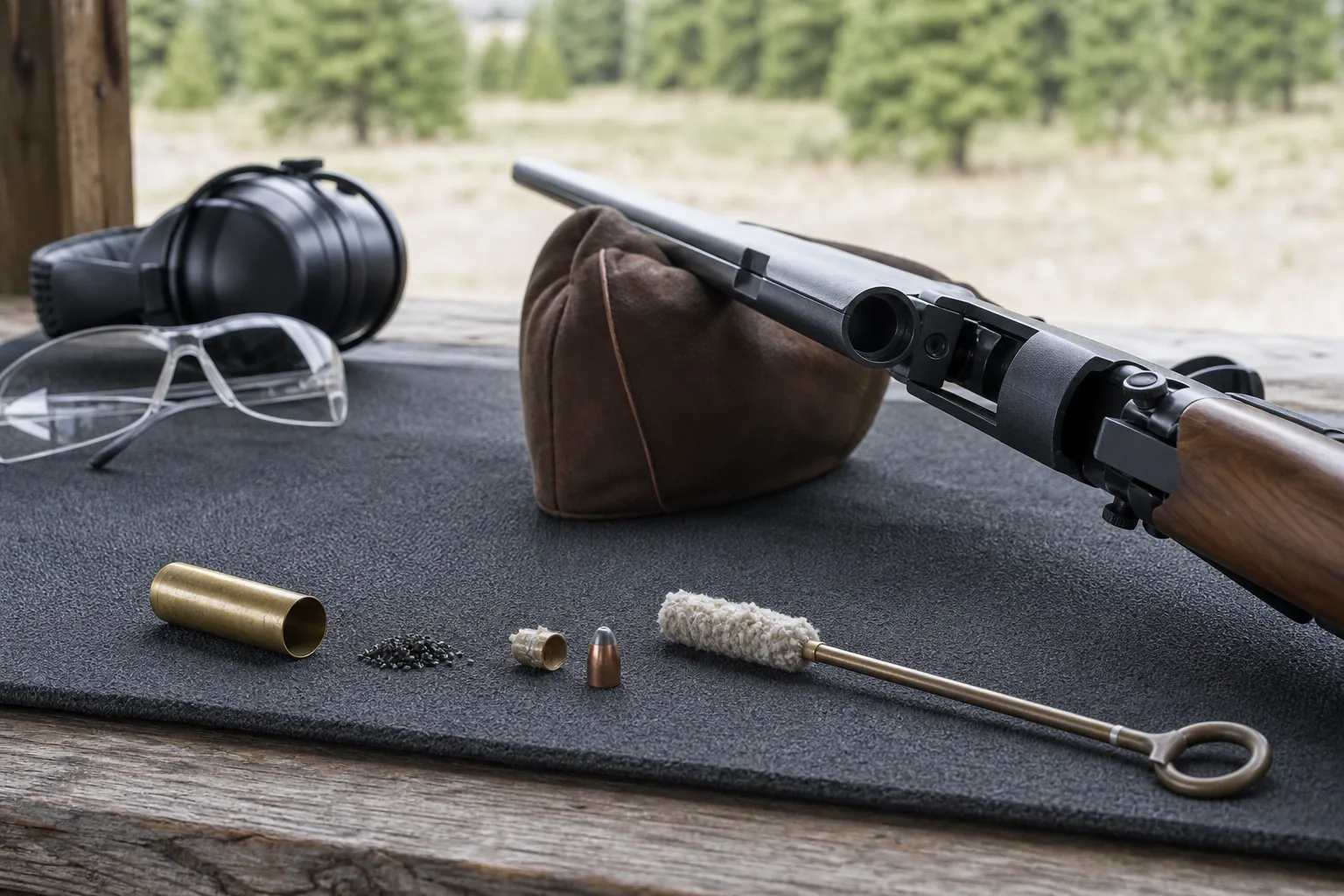
In plain language, a squib is not just a weak shot. It is a possible bore obstruction. SAAMI defines a barrel obstruction, also called a bore obstruction, as foreign material in the bore that prevents normal projectile passage.
The safest assumption after a weak or abnormal shot is that something may still be in the barrel.
Warning signs of a possible squib load
The main warning signs are abnormal sound and abnormal recoil. Winchester warns that an off sound or light recoil after a cartridge fires is an ammunition malfunction sign and says not to load another cartridge into the chamber.
SIG Sauer lists a weak or abnormal sounding shot as a reason to immediately stop shooting and keep the firearm pointed in a safe direction.
Watch for these signs:
- A pop or report that sounds much quieter than expected.
- Light, weak, or unusual recoil.
- Any unusual noise while shooting.
- A weak or abnormal shot.
- Any reason to suspect the bullet, projectile material, or wad did not leave the barrel.
A quiet shot is not something to diagnose by firing again. Treat it as a safety problem until the firearm is unloaded and the bore has been checked.
What to do immediately
If you think you may have had a squib load, stop. Keep the muzzle pointed in a safe direction. SAAMI’s firearm safety rules include always keeping the muzzle pointed in a safe direction, handling a firearm that fails to fire with care, and making sure the barrel is clear of obstructions before shooting.
For a broader refresher, see our firearm safety rules page.
Use this basic response:
- Stop firing immediately.
- Keep the muzzle pointed in a safe direction.
- Do not load another cartridge.
- Unload and clear the firearm according to the firearm manual.
- Check that the bore is clear only after the firearm is unloaded.
- If an obstruction is found or suspected, get help from qualified personnel before firing again.
SAAMI’s FAQ says that after a failure to fire, the shooter should keep the muzzle pointed in a safe direction. SAAMI also says that after removing the misfired round, remove all ammunition and check that the bore is clear and unobstructed.
SAAMI says firearm repairs should not be attempted by unqualified personnel.
Why you should not fire another round
The reason is simple: a blocked bore can turn the next shot into a catastrophic failure.
SIG Sauer warns not to fire another round until the obstruction is cleared and says failure to comply can result in serious injury, death, and catastrophic firearm damage.
SAAMI’s safety pamphlet also warns that even a small amount of mud, snow, excess lubricating oil, or grease in the bore can dangerously increase pressures and cause a bulged or burst barrel. A stuck projectile or wad is a more obvious obstruction, but the safety principle is the same: the bore must be clear before shooting.
Squib load vs. misfire vs. hangfire
These terms sound similar, but they describe different problems.
- Squib load
- What it means: SAAMI says it is a cartridge or shell with substantially lower than normal projectile velocity and sound, and it may leave projectile material or wads in the bore.
- What the shooter should remember: Treat the weak or abnormal shot as a possible bore obstruction. Stop, keep the muzzle safe, unload, and do not fire again until the bore is clear.
- Misfire
- What it means: SAAMI defines a misfire as failure of the priming mixture to be initiated after an adequate firing pin blow, or failure of the initiated primer to ignite the powder.
- What the shooter should remember: The firearm did not fire as expected after the trigger was pulled. Keep the muzzle pointed safely and follow the firearm manual.
- Failure to fire
- What it means: SAAMI defines failure to fire as failure of the firearm to discharge after the trigger has been pulled. SAAMI says it can be a complete misfire or delayed fire.
- What the shooter should remember: Treat it carefully because it may be a complete misfire or a delayed fire.
- Hangfire
- What it means: A delayed ignition.
- What the shooter should remember: The firearm may fire after a delay, so keep it pointed in a safe direction and wait the time specified by the firearm manual or training authority.
A squib load usually involves a shot that fired weakly or abnormally. A misfire or failure to fire involves a trigger pull followed by no immediate discharge. A hangfire is a delayed ignition, which is why published wait times matter.
Published wait times for misfires and hangfires
Wait times differ by manufacturer and hunter education program, so use the wait time in your firearm manual or the training authority that applies to you.
Published examples include:
- Winchester’s Wildcat manual says that if the firearm fails to fire, keep the muzzle pointed in a safe direction for a minimum of 30 seconds.
- Oregon Hunter Ed says to handle a hangfire or misfire by maintaining muzzle control, keeping the action closed and the muzzle pointed at a safe backstop, then waiting 15 seconds for a rifle, handgun, or shotgun and 60 seconds for a muzzleloader.
Beginner example: the shot goes pop
If you are on a range and a shot goes “pop” with little recoil, do not assume the firearm is empty, fixed, or safe to keep firing. Winchester’s warning is direct: if you detect an off sound or light recoil when a cartridge is fired, do not load another cartridge into the chamber.
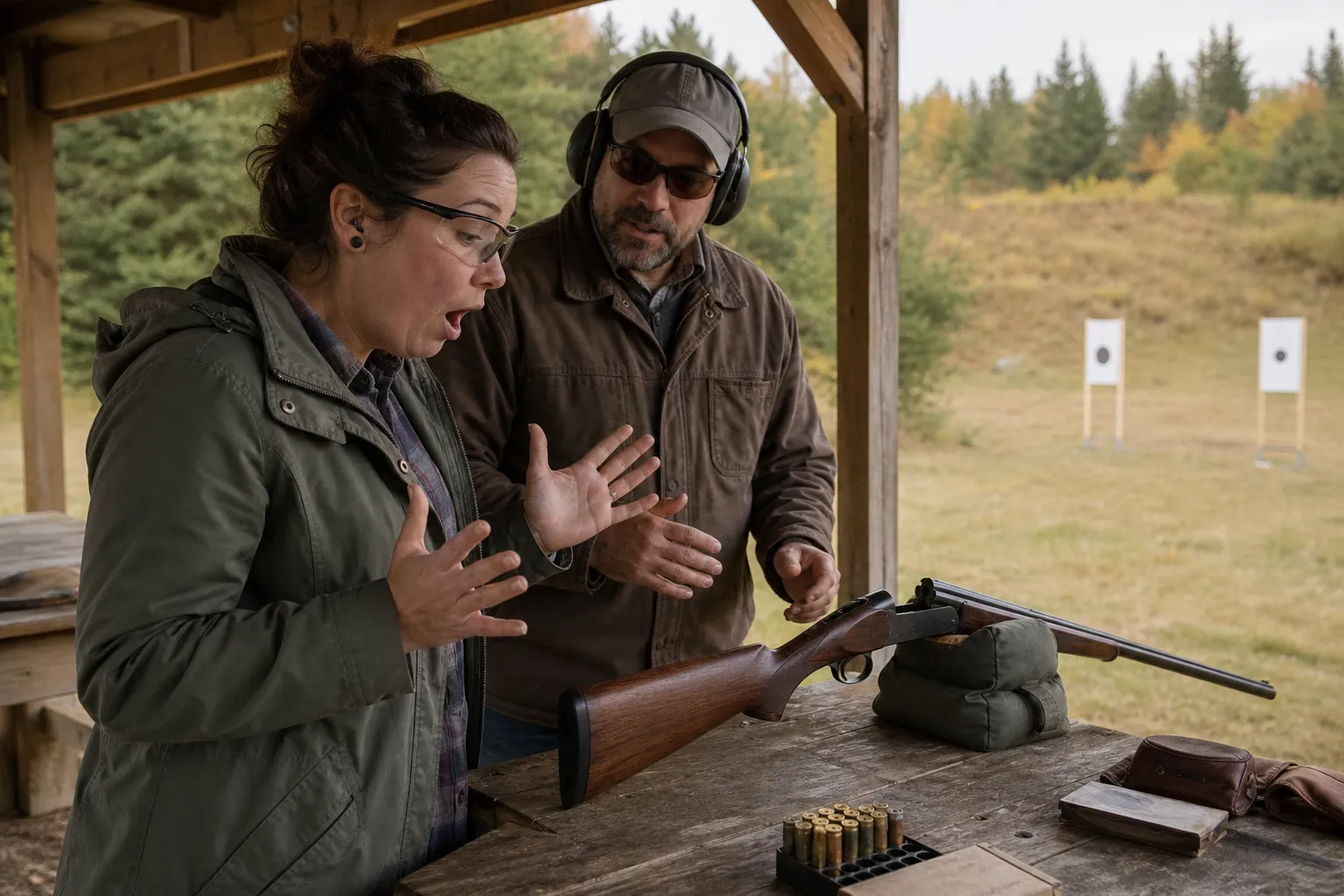
The safe response is to stop, keep the muzzle in a safe direction, and get help if you are unsure. Follow the firearm manual for unloading and clearing. If the bore is obstructed or you suspect it is obstructed, get help from a qualified gunsmith or other qualified personnel before it is fired again.
What to check with official sources
Check the owner’s manual for your specific firearm for its exact unloading procedure, hangfire or misfire wait time, and any model specific safety instructions. At a range, follow the range officer’s commands. For hunter education, confirm the current instruction from the state or provincial agency that applies to your course or hunt.
Frequently asked questions
What is a squib load?
SAAMI defines a squib load as a cartridge or shell that produces substantially lower than normal projectile velocity and sound, and it may leave projectile material or wads in the bore.
What should I do if a shot sounds weak or has light recoil?
Stop firing immediately, keep the muzzle pointed in a safe direction, do not load another cartridge, unload and clear the firearm according to the manual, and check the bore only after the firearm is unloaded. If an obstruction is found or suspected, get qualified help before firing again.
Why is firing again after a squib dangerous?
SIG Sauer warns not to fire another round until the obstruction is cleared and says failure can result in serious injury, death, and catastrophic firearm damage.
How is a squib load different from a misfire?
A squib load is a weak or abnormal shot that may leave material in the bore. SAAMI defines a misfire as failure of the priming mixture to be initiated after an adequate firing pin blow, or failure of the initiated primer to ignite the powder.
How long should I wait after a hangfire or misfire?
Published wait times differ. Winchester says a minimum of 30 seconds. Oregon Hunter Ed says 15 seconds for a rifle, handgun, or shotgun and 60 seconds for a muzzleloader. Follow the manual and the training authority that applies to you.
Sources
- SAAMI Glossary, Squib Load, Sporting Arms and Ammunition Manufacturers’ InstituteOfficial source. Accessed October 22, 2026.
- SAAMI Glossary, Barrel Obstruction, Sporting Arms and Ammunition Manufacturers’ InstituteOfficial source. Accessed October 22, 2026.
- SAAMI Glossary, Misfire, Sporting Arms and Ammunition Manufacturers’ InstituteOfficial source. Accessed October 22, 2026.
- SAAMI Glossary, Fail-To-Fire, Sporting Arms and Ammunition Manufacturers’ InstituteOfficial source. Accessed October 22, 2026.
- Firearm Safety Rules, Sporting Arms and Ammunition Manufacturers’ InstituteOfficial source. Accessed October 22, 2026.
- Sporting Ammunition, Sporting Arms and Ammunition Manufacturers’ InstituteOfficial source. Accessed October 22, 2026.
- SAAMI FAQs, Sporting Arms and Ammunition Manufacturers’ InstituteOfficial source. Accessed October 22, 2026.
- Beretta 92XI DA-SA User Manual, Beretta USA. Accessed October 22, 2026.
- Winchester Wildcat Owner’s Manual, Winchester Repeating Arms. Accessed October 22, 2026.
- SIG Sauer 1911 Operator’s Manual, SIG Sauer. Accessed October 22, 2026.
- Hunter Education Program Instructor Manual, Chapter IV, Texas Parks and Wildlife DepartmentOfficial source. Accessed October 22, 2026.
- Beware of Hang Fires, Oregon Hunter Safety Course, Hunter-ed.com, produced with Oregon Department of Fish and WildlifeOfficial source. Accessed October 22, 2026.