.30-06 Springfield: History, Specifications and Uses
The .30-06 Springfield is a U.S.-origin centerfire rifle cartridge adopted by the United States Army in 1906 and standardized today by SAAMI and C.I.P. The article covers cartridge names, history, standards, Hornady factory load examples, and hunting use cautions.
By RaiS. Reviewed by RaiS. Published . 3 min read.
Research and drafting were assisted by AI. RaiS checked the facts against the sources below and approved this page.
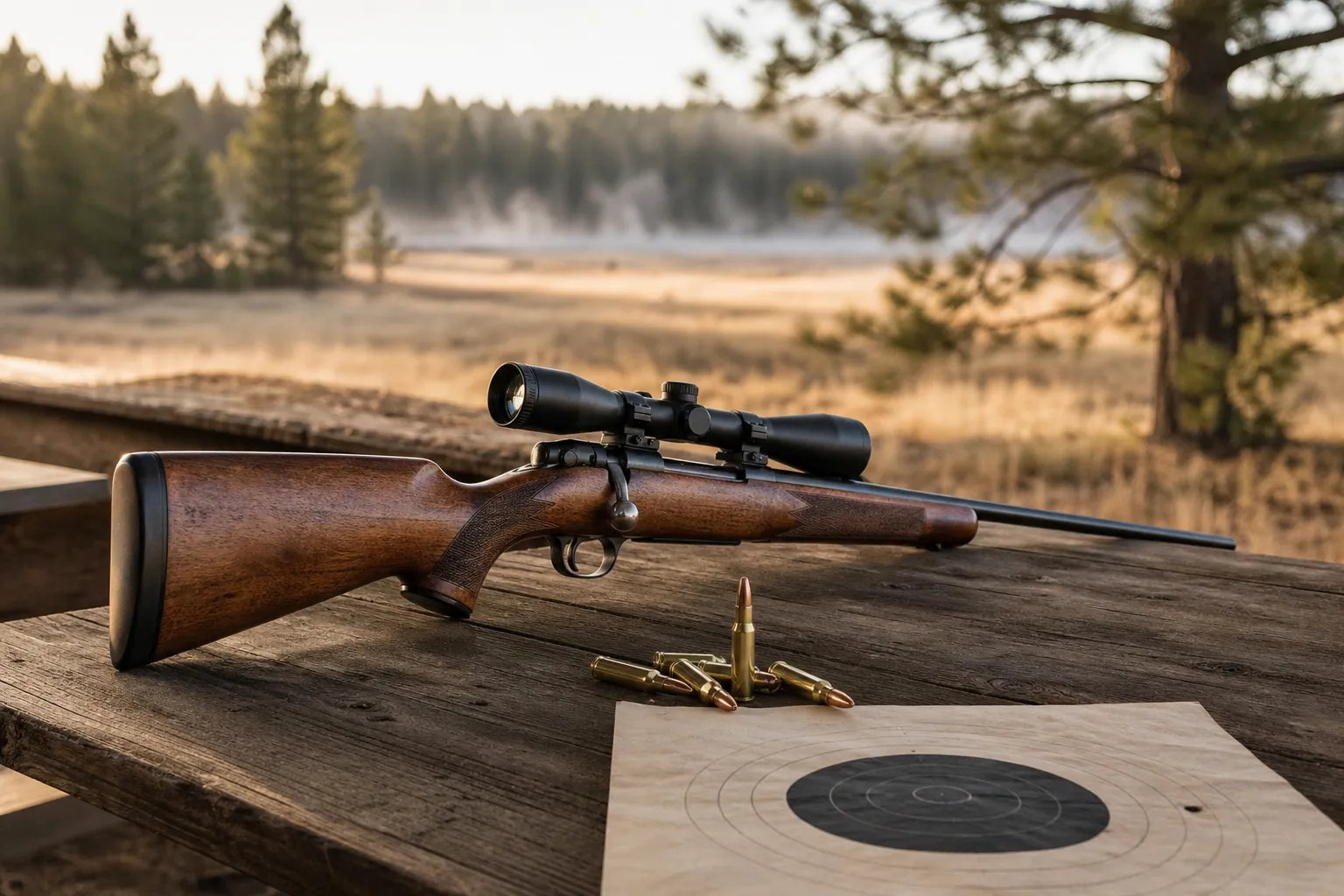
The .30-06 Springfield, often written 30-06, is a U.S.-origin centerfire rifle cartridge adopted by the United States Army in 1906 and standardized today by SAAMI and C.I.P. In current standards, C.I.P. lists alternative names including 30-06 Springfield, 30-06, and 7,62 x 63.
Names and standards
The same cartridge may appear under several names depending on the source. SAAMI states that its Z299.4 centerfire rifle standard provides “pressure and velocity performance and dimensional characteristics for centerfire rifle sporting ammunition.” The cited SAAMI standard is Z299.4-2025.
C.I.P. lists the cartridge as 30-06 Spring. and gives the alternative names 30-06 Springfield, 30-06, and 7,62 x 63. C.I.P. also lists the country of origin as the United States and gives a revision date of September 23, 2008.
For a beginner, the main point is simple: C.I.P. lists 30-06 Springfield, 30-06, and 7,62 x 63 as alternative names for the same cartridge.
History and U.S. military role
Lapua summarizes the cartridge’s origin this way: “The story of the .30-06 Springfield began in 1906, when the United States Army adopted the cartridge.” That 1906 adoption is the source of the “06” in the common name.
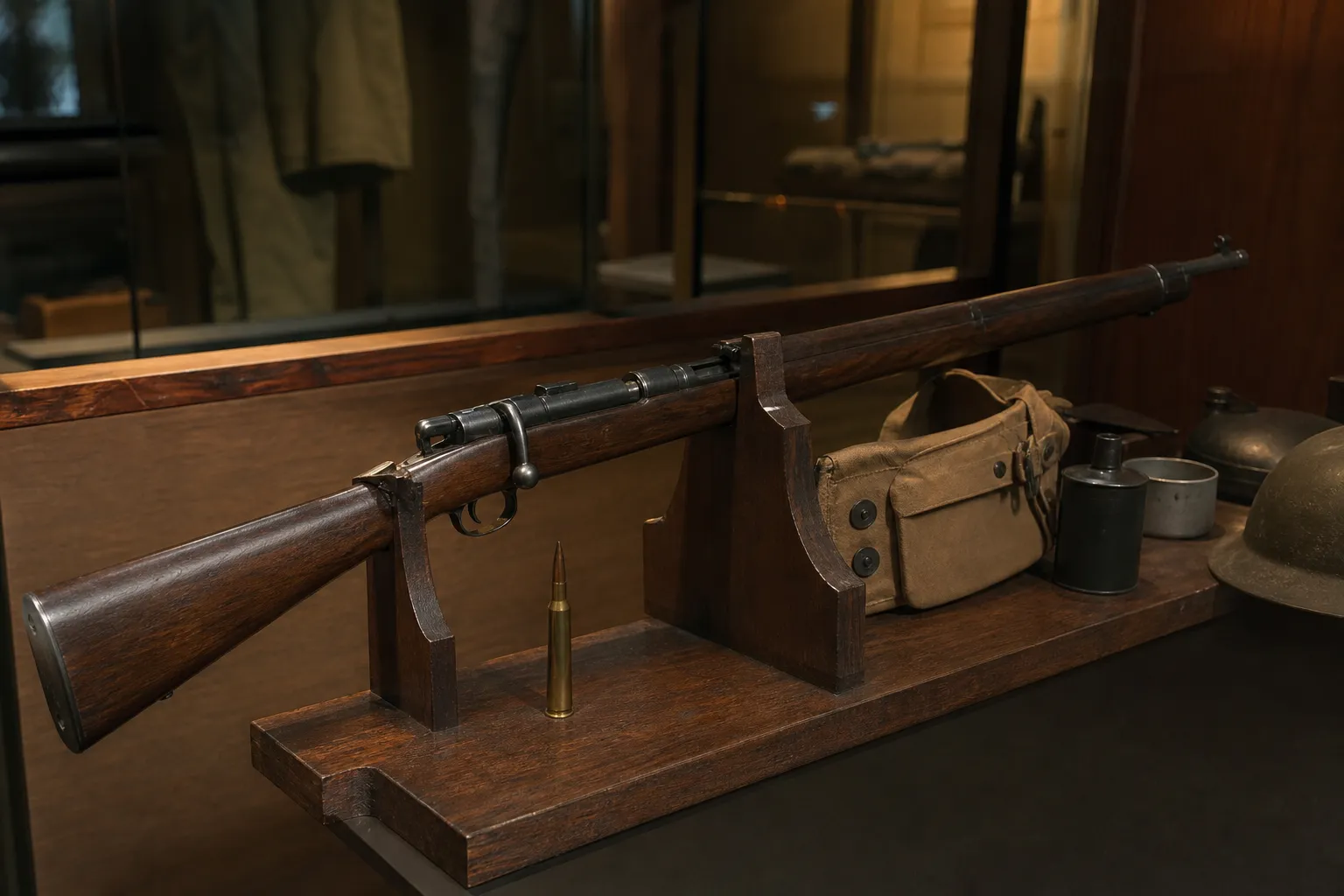
The cartridge is closely associated with the U.S. M1903 rifle. The National Park Service says Springfield Armory produced more than one million M1903 rifles between 1903 and 1936, and that Rock Island Arsenal produced an additional one-third million rifles. In a National Park Service comparison involving the Pedersen .276 cartridge, the NPS identifies the “.30" '06 caliber cartridge” in a five-round clip as used in the U.S. M1903 rifle.
The M1903 also gives useful context for barrel length. The National Park Service says tests found a 24 inch barrel on the rifle was as effective as the 30 inch barrel, and that the shorter barrel allowed one weapon to be used by both infantry and cavalry.
The .30 caliber U.S. service-rifle story continued with John Garand’s M1. The National Park Service says the M1 rifle was officially adopted by the Army in 1936, with the Marine Corps and Navy following by 1940. The NPS also says the M1 fired semiautomatically from an eight-shot clip, and another NPS page states that Garand’s rifle was adopted by the U.S. Army in 1936 and designated the U.S. rifle caliber .30 M1.
Specifications table
The table below uses C.I.P. values from the 30-06 Spring. TDCC page with revision date September 23, 2008.
| Item | Published value | Source |
|---|---|---|
| C.I.P. alternative names | 30-06 Springfield, 30-06, 7,62 x 63 | C.I.P. TDCC, revision 08-09-23 |
| Country of origin | US | C.I.P. TDCC |
| C.I.P. maximum cartridge length L6 | 84.84 mm | C.I.P. TDCC |
| C.I.P. Pmax | 4050 bar by transducer method | C.I.P. TDCC |
Bullet weights and published velocities
Hornady lists 150 grain and 180 grain .30-06 Springfield loads.
| Source | Bullet or load | Published muzzle velocity |
|---|---|---|
| Hornady 2025 international catalog | 150 grain and 180 grain InterLock American Whitetail loads |
Treat these as published source values, not a guarantee that every individual rifle and every box of ammunition will produce the same number. The source matters. Manufacturer catalog figures are tied to the manufacturer’s own published load data.
Hunting and sport-shooting use
Lapua describes the .30-06 Springfield as “one of the world’s top hunting cartridges” and says it became popular in hunting and sport shooting use. Current catalog examples from Hornady show that a major ammunition maker continues to publish .30-06 Springfield loads.
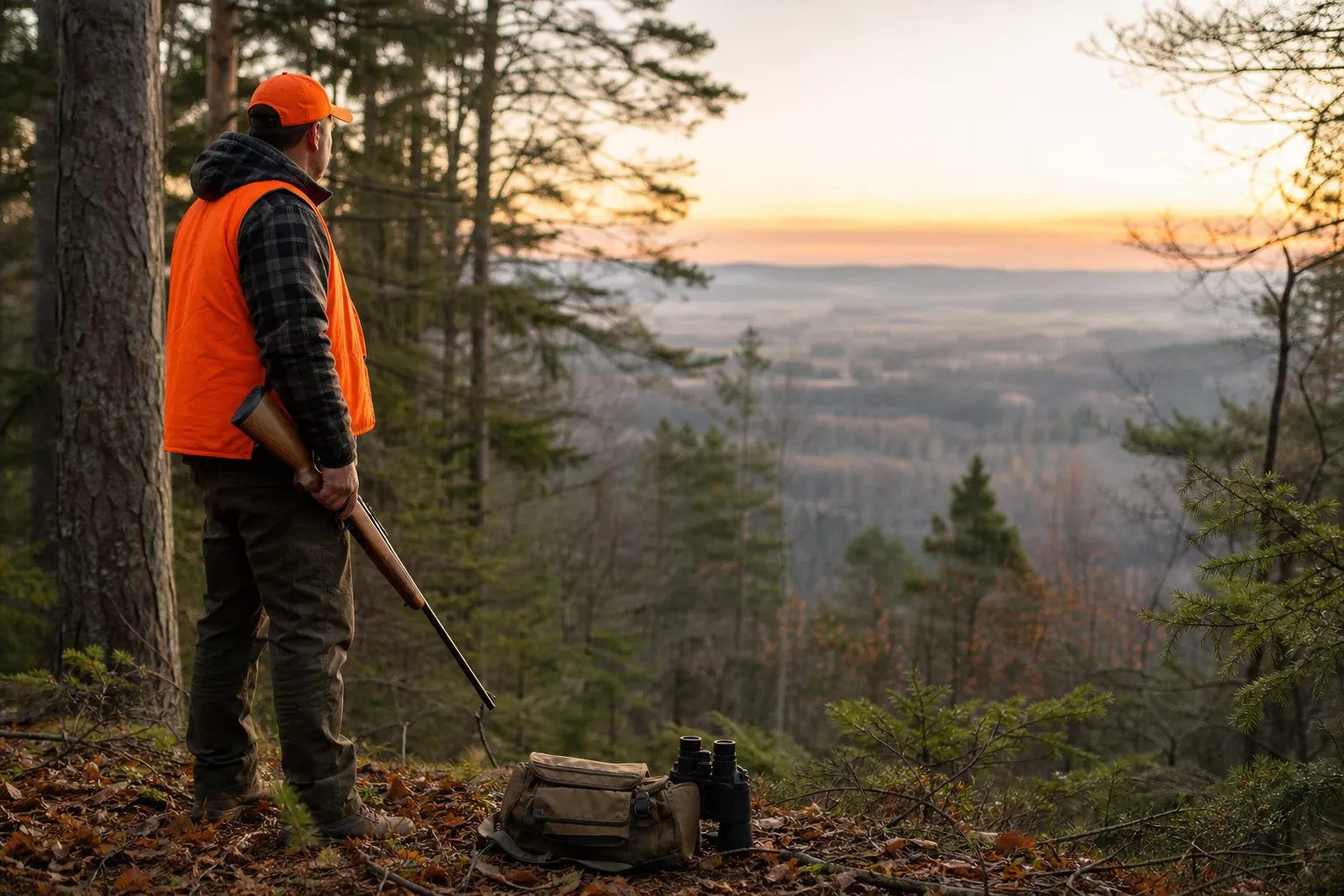
Hornady lists American Whitetail loads with InterLock bullets. Hornady also describes its Precision Hunter ammunition as factory-loaded hunting ammunition using the ELD-X bullet, with accuracy and terminal performance as the stated design goals.
For hunters, the important caution is regulatory. This page is a cartridge reference, not a hunting-law ruling. Before using any cartridge or bullet for hunting, confirm the current rules with the relevant state, province, tribe, or federal wildlife agency for the exact species, season, location, and method.
What to check in official sources
Use SAAMI and C.I.P. for dimensional and pressure standards. Use current manufacturer catalogs or product pages for the exact load, bullet weight, and published velocity you are considering. Use the relevant wildlife agency for hunting rules, including caliber, cartridge, projectile, season, and area requirements.
Frequently asked questions
What does .30-06 mean?
.30-06 Springfield is the common cartridge name. Lapua states that the cartridge story began in 1906 when the United States Army adopted it, which explains the “06” in the name.
Is 30-06 the same as 7.62 x 63?
C.I.P. lists 30-06 Springfield, 30-06, and 7,62 x 63 as alternative names for 30-06 Spring.
What bullet weights are shown in the cited .30-06 data?
Hornady lists 150 grain and 180 grain InterLock American Whitetail loads.
Was the .30-06 used with the M1903 rifle?
Yes. The National Park Service identifies the “.30" '06 caliber cartridge” in a five-round clip as used in the U.S. M1903 rifle.
Is .30-06 legal for hunting where I live?
This page does not determine legality. Confirm current hunting regulations with the relevant state, province, tribe, or federal wildlife agency for the exact place, species, season, and projectile rules.
Sources
- 2025 Hornady International Catalog, English Version, Hornady ManufacturingOfficial source. Accessed October 20, 2026.
- SAAMI Z299.4-2025, Voluntary Industry Performance Standards for Pressure and Velocity of Centerfire Rifle Ammunition, Sporting Arms and Ammunition Manufacturers’ InstituteOfficial source. Accessed October 20, 2026.
- C.I.P. TDCC, 30-06 Spring., TAB I, Commission Internationale Permanente pour l'Epreuve des Armes à Feu PortativesOfficial source. Accessed October 20, 2026.
- The 1903 SPRINGFIELD Rifle, Springfield Armory National Historic Site, National Park ServiceOfficial source. Accessed October 20, 2026.
- John Garand, Springfield Armory National Historic Site, National Park ServiceOfficial source. Accessed October 20, 2026.
- Museum Collection Management at Springfield Armory National Historic Site, National Park ServiceOfficial source. Accessed October 20, 2026.
- Experimental semi-automatic rifle by John Pedersen, 1919-1931, Springfield Armory National Historic Site, National Park ServiceOfficial source. Accessed October 20, 2026.
- .30-06 Springfield, Lapua. Accessed October 20, 2026.
- Remington 2026 Catalog, Remington AmmunitionOfficial source. Accessed October 20, 2026.
- Remington 2024 Catalog, Remington AmmunitionOfficial source. Accessed October 20, 2026.
- Federal 2026 Catalog, Federal Premium AmmunitionOfficial source. Accessed October 20, 2026.
- Precision Hunter, Hornady ManufacturingOfficial source. Accessed October 20, 2026.
- SAAMI Standards, Sporting Arms and Ammunition Manufacturers’ InstituteOfficial source. Accessed October 20, 2026.
- CIP, Homologation. Accessed October 20, 2026.
- Hornady® Announces New Ammunition for 2016, Hornady Manufacturing, Inc.. Accessed October 20, 2026.