The .450 Bushmaster: History, Specs and Uses
The .450 Bushmaster is a big bore, straight wall centerfire rifle cartridge. It is best known as a big bore AR platform hunting cartridge and as one of the cartridges often discussed in straight wall deer rule states.
By RaiS. Reviewed by RaiS. Published . 5 min read.
Research and drafting were assisted by AI. RaiS checked the facts against the sources below and approved this page.
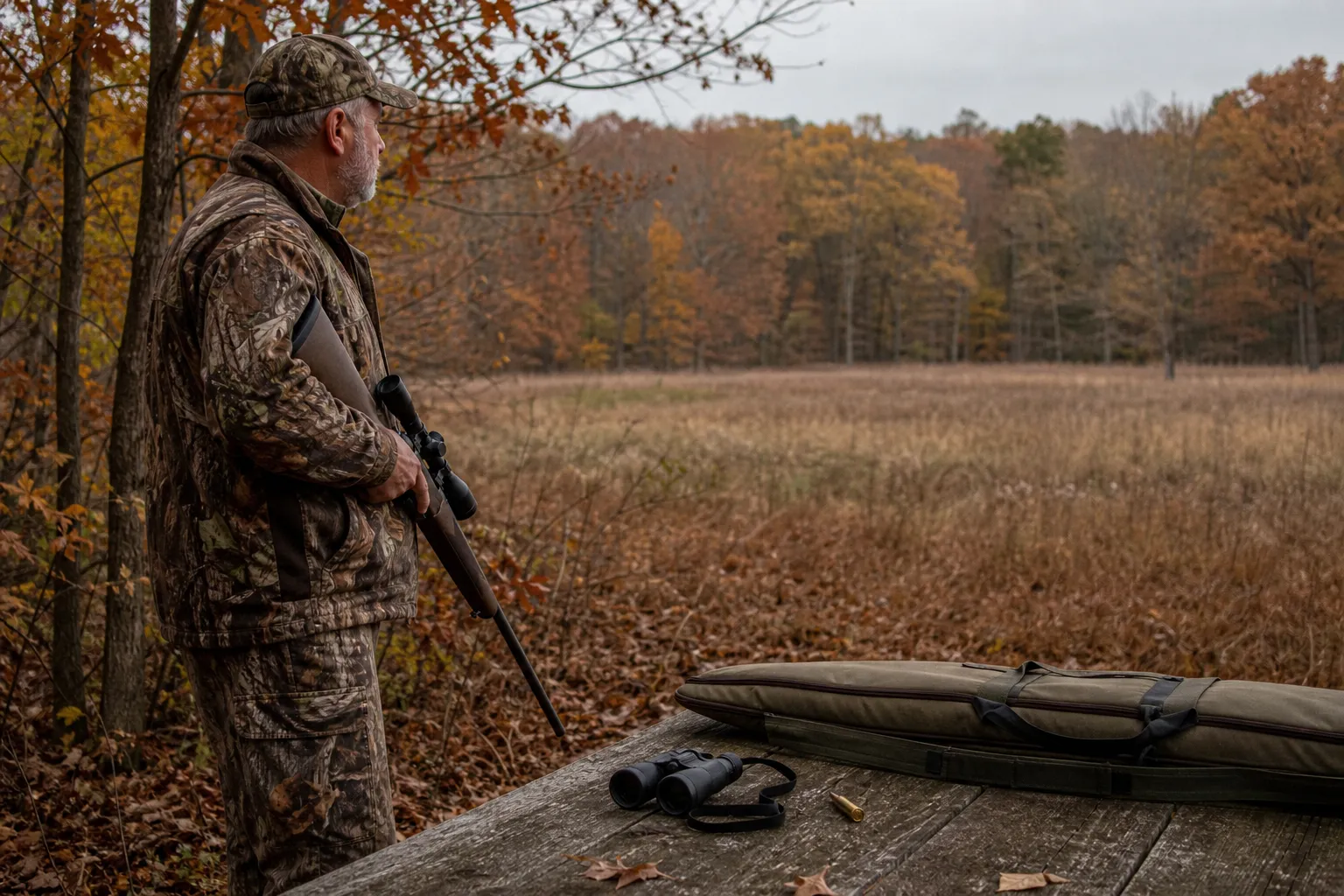
The .450 Bushmaster is a big bore, straight wall centerfire rifle cartridge. Its appeal is simple: it puts a large, heavy hunting bullet into an AR length package, and its straight wall design can matter in places where deer rifle rules are written around cartridge shape, bullet diameter, or muzzle energy.
What the .450 Bushmaster is
American Hunter describes the .450 Bushmaster as a straight wall cartridge based on the .284 Winchester case shortened to 1.700 inches. Shooting Times also reports that the case is based on the .284 Winchester, with a .500 inch base and a rebated rim the same diameter as the .30 06 Springfield.
In plain English, “straight wall” means the case body is not a conventional bottleneck rifle case. “Rebated rim” means the rim is smaller than the body of the case. Those features are part of the cartridge’s identity, but they do not make every rifle or magazine compatible.
The AR platform connection comes from overall length. Shooting Times reports that Hornady shortened the earlier design to a 1.700 inch case and a 2.26 inch overall length “to fit in the AR.”
History and the “Thumper” idea
The .450 Bushmaster is often explained through Jeff Cooper’s “Thumper” concept. Shooting Times reports that Cooper wanted a more powerful, large caliber round adaptable to the AR 15/M16 platform, and that he called the concept cartridge “Thumper.”
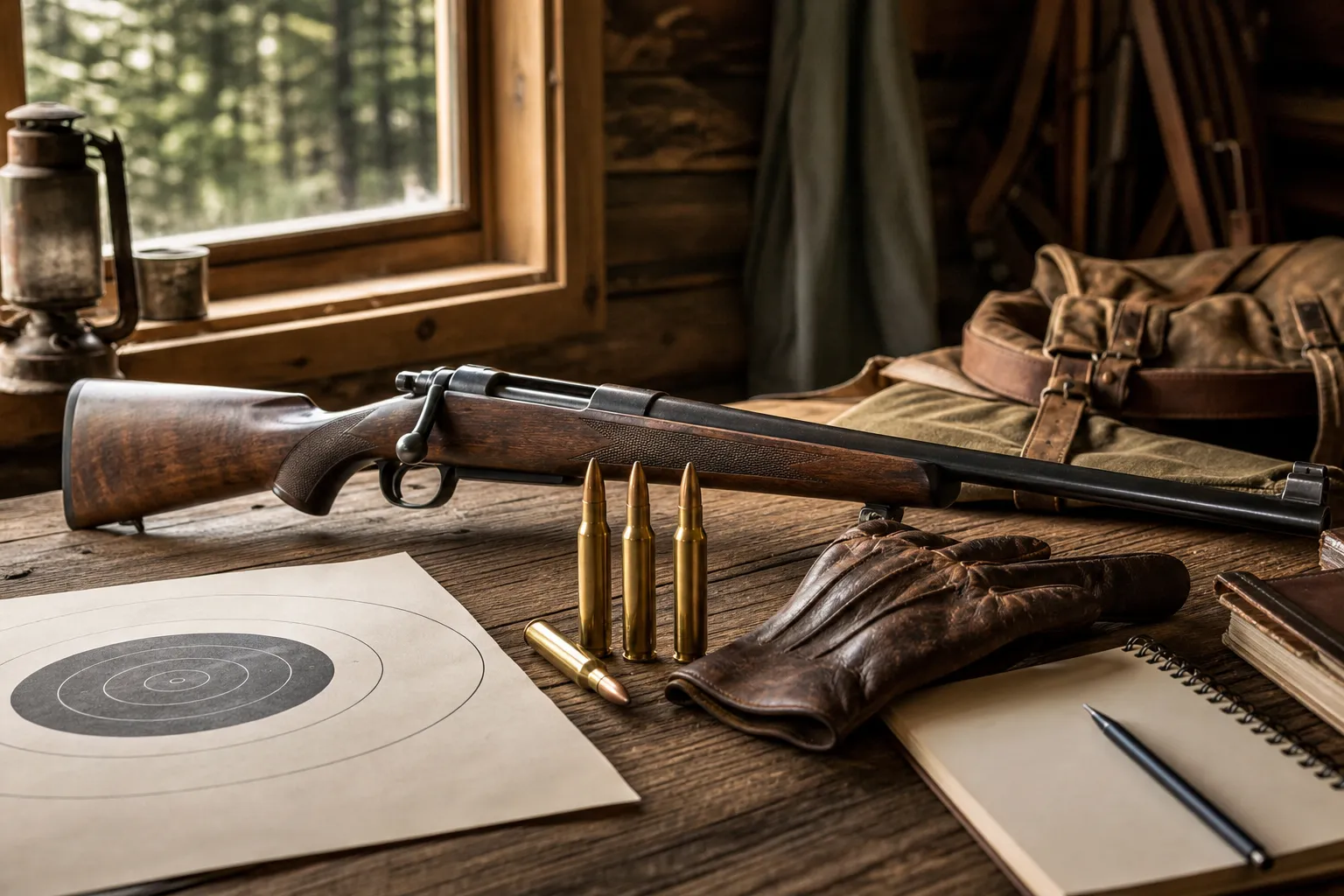
Shooting Times credits Tim LeGendre of LeMag Firearms with designing what became the .450 Bushmaster and licensing it to Bushmaster Firearms International. American Hunter reports that the cartridge dates to 2007 and was initially known as the .45 Professional.
The early version was longer than the standardized commercial cartridge. Shooting Times reports that the original .450 Bushmaster case length was 1.772 inches and the cartridge overall length was 2.362 inches, which made it too long for the AR. Hornady then shortened the case to 1.700 inches and set the overall length at 2.26 inches to fit in the AR.
That is the short version of the lineage: Cooper’s big bore AR idea, LeGendre’s .45 Professional, Bushmaster’s licensing, and Hornady’s dimensional changes that led to the standardized .450 Bushmaster.
Published SAAMI specifications
SAAMI specifications define standardized cartridge and chamber dimensions.
Factory bullet weights and published ballistics
Published factory data show the .450 Bushmaster most often in heavy hunting bullet weights. Hornady’s metric ballistics chart lists a 250 grain FTX load and a 395 grain Sub X load.
These are examples of published ammunition data, not recommendations or rankings.
| Maker and load description | Published bullet weight | Published velocity | Published energy or trajectory detail |
|---|---|---|---|
| Hornady FTX, item 82244, 20 inch barrel | 250 grains | 671 m/s muzzle velocity | .210 BC, 3,643 joules muzzle energy, and 2,437 joules at 100 meters |
| Hornady Sub X, item 82247, 20 inch barrel | 395 grains | 320 m/s muzzle velocity | .300 BC |
Hornady’s support FAQ says its published ammunition data are derived from SAAMI specification test barrels, and that individual firearms can produce faster or slower velocities. Treat factory velocity and trajectory charts as published reference data, not a promise of what every rifle will produce.
The Hornady Sub X listing also needs context. Hornady’s 2025 catalog states that subsonic ammunition is reduced velocity and does not produce the same muzzle energy as conventionally loaded cartridges.
Trajectory and range expectations
The main practical point is that the .450 Bushmaster is a large bullet hunting cartridge with a more arched trajectory than many smaller, faster rifle cartridges. Shooters should verify actual point of impact with their own rifle, ammunition, sights, and conditions.
The Hornady metric chart lists the 250 grain FTX load at 3,643 joules at the muzzle and 2,437 joules at 100 meters.
Hunting uses and limits
The .450 Bushmaster is commonly discussed as a deer and hog hunting cartridge because published factory loads include Hornady FTX. The cartridge’s large bullet diameter and straight wall case also put it into the conversation for deer hunters who live under equipment rules that do not treat all centerfire rifle cartridges the same way.
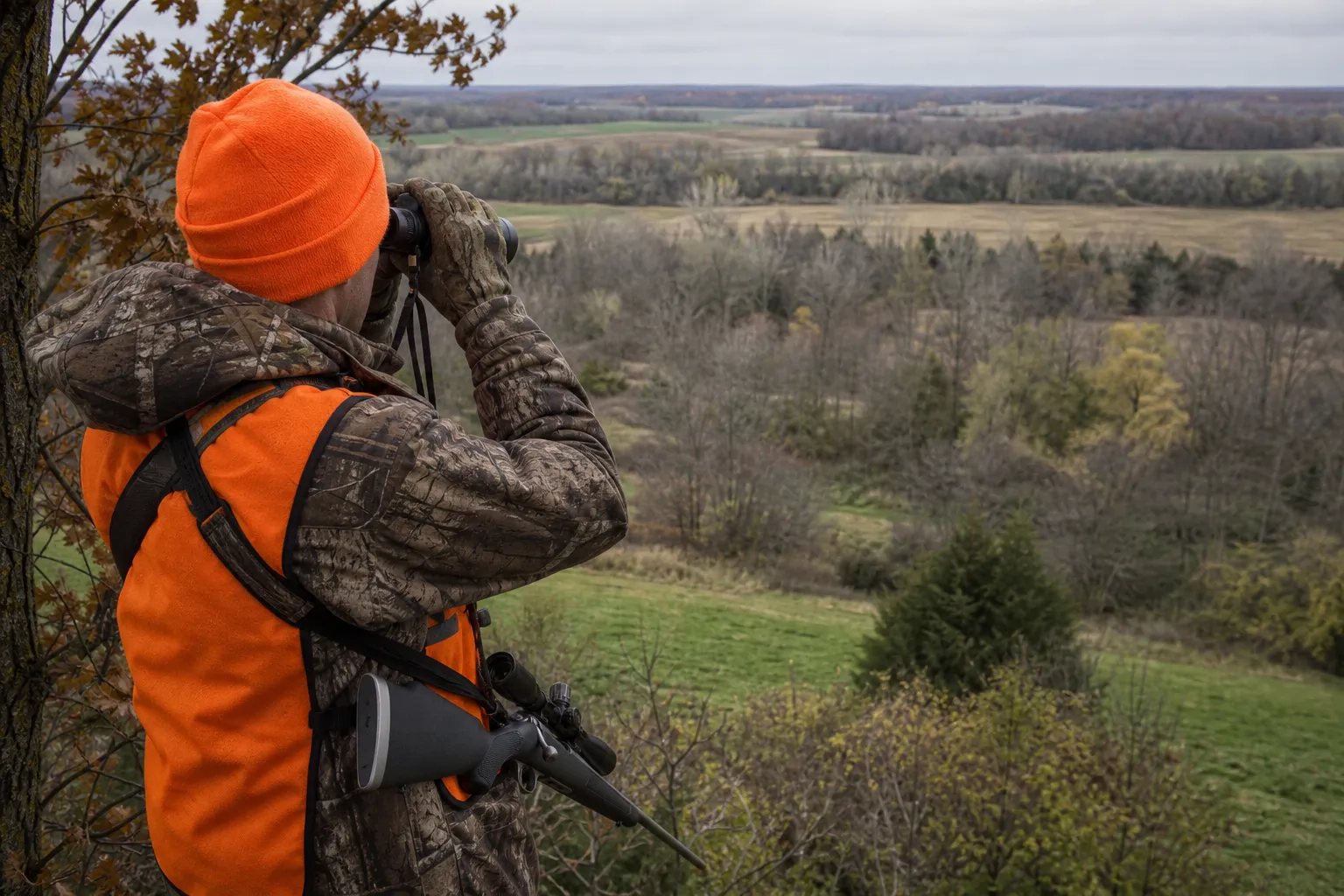
The limitations follow from the same data. Hornady lists the 395 grain Sub X at 320 m/s, and Hornady’s catalog warns that subsonic ammunition is reduced velocity and does not produce the same muzzle energy as conventional loads.
For AR platform owners, the important historical point is that the commercial .450 Bushmaster dimensions were changed to fit in the AR, according to Shooting Times. The important safety point is not historical: use the correct ammunition in a firearm chambered for .450 Bushmaster.
.450 Bushmaster vs. .350 Legend, briefly
The .350 Legend is a useful comparison because it is another straight wall hunting cartridge often discussed by deer hunters.
Winchester’s .350 Legend FAQ describes that cartridge as SAAMI approved and intended for states with straight walled centerfire deer cartridge regulations. In simple terms, the .350 Legend is often discussed in similar hunting regulation contexts, while the .450 Bushmaster is the larger, heavier load option in the published examples above.
Why straight wall rules matter
Some deer rules are written around cartridge dimensions and performance, not just around the word “rifle.” Iowa’s 2025 26 hunting regulations, for example, state that rifles firing straight wall or other centerfire ammunition with expanding type bullets from .350 to .500 inch in maximum diameter and with published or calculated muzzle energy of 500 ft lb or higher are legal for specified deer seasons. Iowa DNR’s deer hunting page includes .450 Bushmaster in a nonexclusive list of common calibers under that straight wall and necked down cartridge rule.
That Iowa example shows why the .450 Bushmaster became interesting to many deer hunters. It appears in Iowa’s nonexclusive list of common calibers under a rule that includes straight wall and necked down cartridges.
Do not treat any cartridge profile as legal advice. State rules change.
Before hunting, check the current wildlife agency rules for your exact state or province, season, zone, firearm type, cartridge, bullet type, and any local restrictions.
Frequently asked questions
What is the .450 Bushmaster?
The .450 Bushmaster is a big bore, straight wall centerfire rifle cartridge often used in AR platform hunting rifles. American Hunter describes it as a straight wall cartridge based on the .284 Winchester case.
Who developed the .450 Bushmaster?
Shooting Times reports that Tim LeGendre of LeMag Firearms designed what became the .450 Bushmaster and licensed it to Bushmaster Firearms International. American Hunter reports that it was initially known as the .45 Professional.
Why does the .450 Bushmaster fit AR platform rifles?
Shooting Times reports that the original design was too long for the AR, with a 1.772 inch case and 2.362 inch overall length. Hornady shortened it to a 1.700 inch case and 2.26 inch overall length to fit in the AR.
What bullet weights are common in factory .450 Bushmaster ammunition?
Published examples include Hornady 250 grain FTX and Hornady 395 grain Sub X loads.
Is .450 Bushmaster legal for deer hunting?
It depends on the current rules for the exact place and season. Iowa DNR’s 2025 26 materials include .450 Bushmaster in a nonexclusive list under its cartridge rule, but hunters should confirm current regulations with the wildlife agency before hunting.
Sources
- SAAMI Z299.4-2025 Centerfire Rifle, Sporting Arms and Ammunition Manufacturers’ InstituteOfficial source. Accessed October 23, 2026.
- Velocity and Pressure Data, Centerfire Rifle, Sporting Arms and Ammunition Manufacturers’ InstituteOfficial source. Accessed October 23, 2026.
- 2022 Metric Ballistics Chart, Hornady ManufacturingOfficial source. Accessed October 23, 2026.
- 2025 Hornady International Catalog, English Version, Hornady ManufacturingOfficial source. Accessed October 23, 2026.
- Why does velocity differ from what’s listed on the ammo box?, Hornady ManufacturingOfficial source. Accessed October 23, 2026.
- 2026 Federal Catalog, Federal Premium AmmunitionOfficial source. Accessed October 23, 2026.
- Centerfire Rifle Ballistics, VOR-TX 2023, Barnes BulletsOfficial source. Accessed October 23, 2026.
- 450 Bushmaster Load Data, Barnes BulletsOfficial source. Accessed October 23, 2026.
- Bushmaster Safety and Operating Manual, Bushmaster FirearmsOfficial source. Accessed October 23, 2026.
- Rock River Arms LAR-15M .450 Bushmaster, Reviewed and Tested, Shooting Times. Accessed October 23, 2026.
- Head to Head: 400 Legend vs. .450 Bushmaster, American Hunter. Accessed October 23, 2026.
- Cartridges of the World, 13th Edition, Gun Digest Books. Accessed October 23, 2026.
- 350 Legend Public Introduction, Revised Cartridge and Chamber Drawing, Sporting Arms and Ammunition Manufacturers’ InstituteOfficial source. Accessed October 23, 2026.
- 350 Legend FAQs, Winchester AmmunitionOfficial source. Accessed October 23, 2026.
- 2025-26 Iowa Hunting, Trapping and Migratory Game Bird Regulations, Iowa Department of Natural ResourcesOfficial source. Accessed October 23, 2026.
- Deer Hunting, Iowa Department of Natural ResourcesOfficial source. Accessed October 23, 2026.
- 2026 Deer Hunting Regulations Summary, Michigan Department of Natural ResourcesOfficial source. Accessed October 23, 2026.
- https://static.hornady.media/presscenter/docs/1411008168-1768498925-Hornady-2026-Product-Catalog.pdf. Accessed October 23, 2026.
- Subsonic, Hornady Manufacturing, Inc. Accessed October 23, 2026.