The .30-30 Winchester: History, Specs and Ballistics
The .30-30 Winchester, also known as .30 WCF or .30 Winchester Center Fire, is a historic smokeless-powder sporting cartridge closely tied to the Winchester Model 1894. It remains strongly associated with lever-action hunting rifles, especially at short to moderate woods ranges.
By RaiS. Reviewed by RaiS. Published . 4 min read.
Research and drafting were assisted by AI. RaiS checked the facts against the sources below and approved this page.
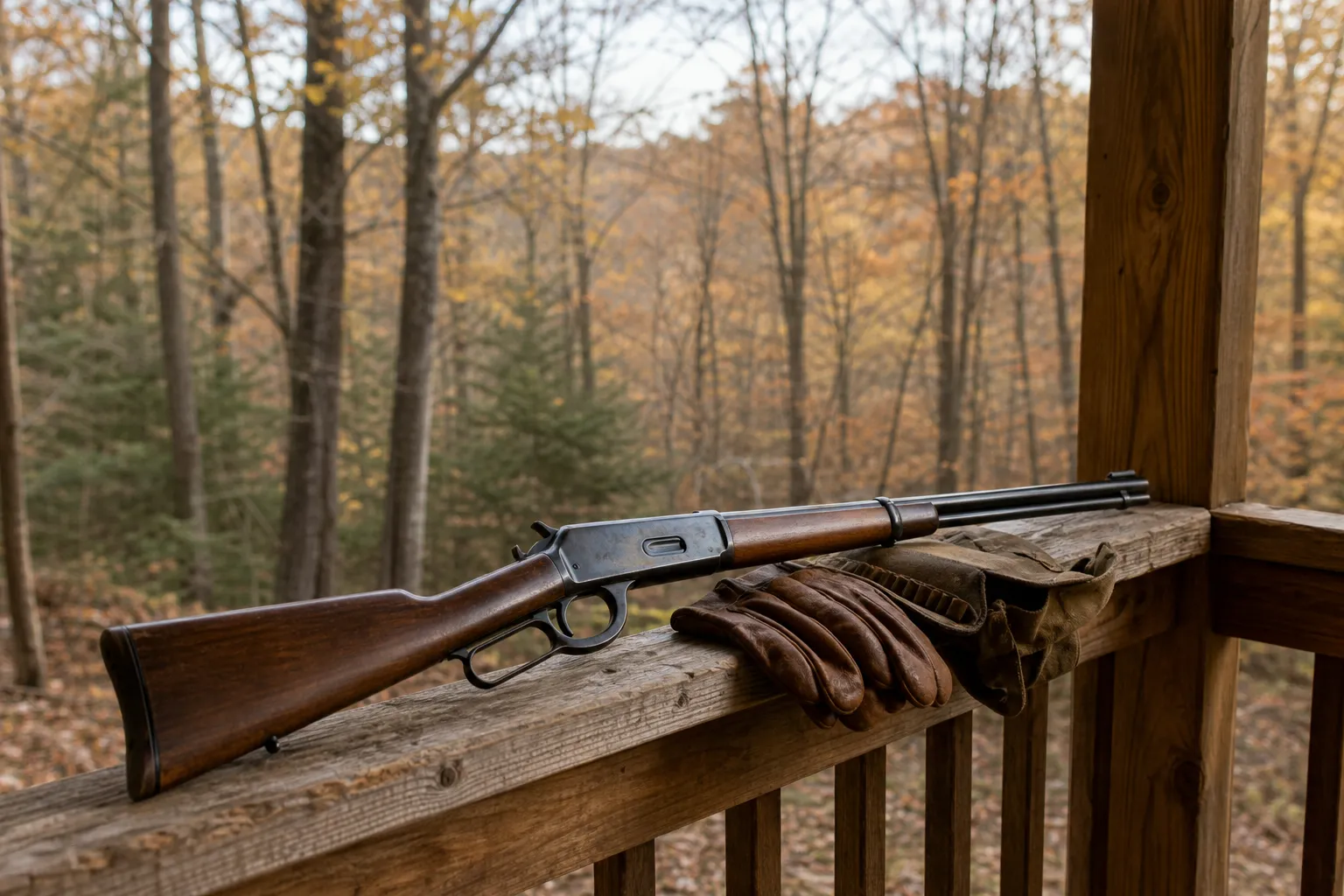
The .30-30 Winchester is a .30 caliber centerfire rifle cartridge introduced by Winchester in 1895 during the early smokeless-powder era. Also called .30 WCF.30 Winchester Center Fire.30-30 Win. or simply 30-30 Winchester, it is best known for its long association with the Winchester Model 1894 and other lever-action rifles. Winchester Collector explains the common “30-30” name as a .30 caliber bullet with 30 grains of powder.
Why the .30-30 Winchester matters
Winchester Repeating Arms says it introduced its first commercial smokeless centerfire cartridges in 1895, including the 30-30 Winchester. Winchester also ties the cartridge to the Model 1894, and the Winchester Model 94 owner’s manual describes the Model 1894 as the first Winchester rifle designed to fire smokeless powder, specifically the .30-30 Winchester.

That combination matters historically because it placed a smokeless-powder sporting cartridge in a repeating rifle format that became familiar to generations of hunters.
The cartridge’s identity has always been closely linked to lever guns. Marlin announced its reintroduced Model 336 Classic as chambered in .30-30 Win. with a six-round magazine and a 20.25 inch barrel, showing that the chambering remains part of current lever-action rifle lineups.
Names: .30-30 Winchester.30 WCF and .30 Winchester Center Fire
You will see the cartridge written several ways, including .30 WCF.30 Winchester Center Fire.30-30 Win. and 30-30 Winchester. The longer form.30 Winchester Center Fire, is the expanded version of .30 WCF.
The “30-30” name is not a metric measurement. Winchester Collector explains it as a .30 caliber bullet with 30 grains of powder. That kind of naming was common in the black-powder and early smokeless eras, even though modern factory ammunition is sold by cartridge name and published load data rather than by that old naming formula.
SAAMI specifications
SAAMI is the standards body for voluntary industry performance standards in the United States.
SAAMI standards information is commonly used for cartridge dimensions, chamber drawings and pressure standards.
Henry’s lever-action rifle specifications also list multiple .30-30 rifles with a 1:12 twist rate.
Common factory bullet weights and velocities
Published factory data from ammunition makers should be read as load-specific information. Velocity, energy and trajectory can vary by bullet design, bullet weight, barrel length and manufacturer. Use the exact ammunition maker’s published data for the load in question.
Why .30-30 bullets are often flat-nose or flexible-tip
Many .30-30 Winchester rifles use tubular magazines. In that magazine style, cartridges sit nose-to-primer in a line. Winchester’s Model 94 manual tells users of centerfire rifles with tubular magazines to use only flat nose, hollow point, round nose flat point or similar bullets, and it warns never to use pointed or conical point bullets in that type of centerfire tubular magazine.
Marlin’s 336, 444 and 1895 manual gives a similar safety warning. It states that some pointed and full metal jacket round nose bullets can chainfire other cartridges in a tubular magazine during recoil.
That is why conventional .30-30 ammunition for tubular-magazine rifles is commonly associated with flat-nose, hollow-point, round-nose flat-point or similar bullet shapes. The point is safety, not nostalgia. Always follow the firearm manufacturer’s manual for the rifle being used.
Hornady lists its LEVERevolution line as a flexible-tip option. Hornady says its FTX and MonoFlex bullets are safe to use in tubular magazines. Hornady also says its Flex Tip technology can provide higher ballistic coefficients and velocity increases up to 250 fps over traditional flat point loads.
Practical hunting range
Henry’s caliber guide describes the .30-30 as trusted at woods and brush ranges, typically inside 150 yards. Henry’s lever-action rifle specifications also describe .30-30 models as suitable for target, hunting, large game, deer and elk, with the note “best at up to 125 yards.”
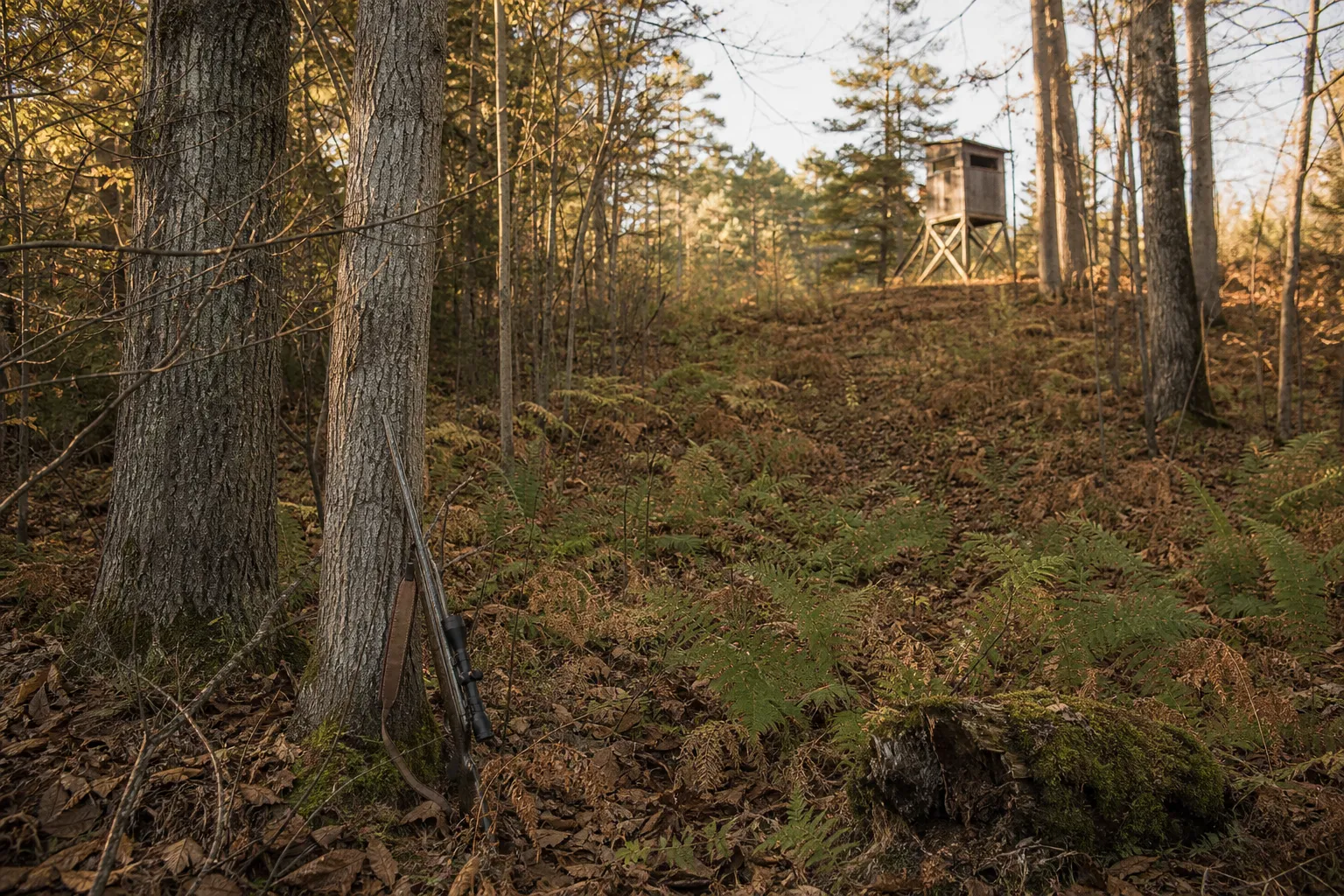
Those statements are useful because they frame the cartridge in plain hunting terms: the .30-30 Winchester is commonly discussed as a woods and brush cartridge rather than a long-range cartridge. That does not create a universal limit. Actual point of impact and field use depend on the specific load, rifle, sighting setup and shooter.
Loads are not identical, so a shooter should use the exact ammunition maker’s published ballistics for the load in question rather than relying on a single generic .30-30 number.
Quick profile
| Category | .30-30 Winchester profile |
|---|---|
| Cartridge type | Centerfire rifle cartridge |
| Other names | .30 WCF.30 Winchester Center Fire, 30-30 Win. |
| Historical introduction | Winchester lists 1895 for the 30-30 Winchester among its first commercial smokeless centerfire cartridges |
| Best-known rifle association | Winchester Model 1894 and later lever-action rifles |
| Typical range context from Henry | Woods and brush ranges, typically inside 150 yards |
What to check before using .30-30 ammunition
For any .30-30 Winchester rifle, start with the firearm owner’s manual. Pay special attention to magazine type, approved bullet shapes and cartridge length statements. Winchester and Marlin both publish tubular-magazine safety warnings.
For cartridge dimensions and pressure standards, use SAAMI’s current centerfire rifle standard. For velocity, energy and trajectory, use the ammunition maker’s current published data for the exact load. For hunting, confirm current species, season and ammunition rules with the state, provincial or territorial wildlife agency before going afield.
Frequently asked questions
Is .30 WCF the same as .30-30 Winchester?
Yes. .30 WCF is commonly expanded as .30 Winchester Center Fire and is another name used for the cartridge.
What does the name .30-30 mean?
Winchester Collector explains the common name as a .30 caliber bullet with 30 grains of powder.
When was the .30-30 Winchester introduced?
Winchester Repeating Arms says it introduced its first commercial smokeless centerfire cartridges, including the 30-30 Winchester, in 1895.
Why do many .30-30 loads use flat-nose bullets?
Many .30-30 lever-action rifles use tubular magazines. Winchester’s Model 94 manual tells users of centerfire rifles with tubular magazines to use only flat nose, hollow point, round nose flat point or similar bullets, and warns against pointed or conical point bullets.
How far is the .30-30 Winchester typically used for hunting?
Henry’s caliber guide describes the .30-30 as trusted at woods and brush ranges, typically inside 150 yards. Henry’s lever-action specifications also note .30-30 models as best at up to 125 yards for listed hunting uses.
Sources
- Historical Timeline 1860-1899, Winchester Repeating ArmsOfficial source. Accessed October 23, 2026.
- Model 94 Owner's Manual, Winchester Repeating ArmsOfficial source. Accessed October 23, 2026.
- Model 1894, Winchester Arms Collectors Association. Accessed October 23, 2026.
- SAAMI Z299.4-2025 Centerfire Rifle, Cartridge and Chamber Drawing, Sporting Arms and Ammunition Manufacturers' InstituteOfficial source. Accessed October 23, 2026.
- SAAMI Z299.4-2025 Centerfire Rifle, Velocity and Pressure Data, Sporting Arms and Ammunition Manufacturers' InstituteOfficial source. Accessed October 23, 2026.
- Federal 2026 Catalog, Federal Premium AmmunitionOfficial source. Accessed October 23, 2026.
- Federal 2020 Rifle Ballistics, Federal Premium AmmunitionOfficial source. Accessed October 23, 2026.
- Remington 2026 Catalog, Remington AmmunitionOfficial source. Accessed October 23, 2026.
- Hornady 2025 Product Catalog, Hornady ManufacturingOfficial source. Accessed October 23, 2026.
- LEVERevolution, Hornady ManufacturingOfficial source. Accessed October 23, 2026.
- Marlin 336, 444 and 1895 Owner's Manual, Marlin FirearmsOfficial source. Accessed October 23, 2026.
- Marlin Model 1895 and Model 336 Lever Action Rifle Manual, Marlin FirearmsOfficial source. Accessed October 23, 2026.
- The Henry Caliber Guide, Henry Repeating ArmsOfficial source. Accessed October 23, 2026.
- Henry Lever Action Rifles Spec Sheet, Henry Repeating ArmsOfficial source. Accessed October 23, 2026.
- Ruger Reintroduces the Marlin Model 336 Classic Lever-Action Rifle, Marlin FirearmsOfficial source. Accessed October 23, 2026.