The 6.5 Creedmoor: History, Specs and Ballistics
The 6.5 Creedmoor is a SAAMI standardized 6.5 mm centerfire rifle cartridge introduced by Hornady in 2007. Its short .30 TC based case, 30 degree shoulder and long freebore help it work with long, low drag 6.5 mm bullets in short action rifles.
By RaiS. Reviewed by RaiS. Published . 5 min read.
Research and drafting were assisted by AI. RaiS checked the facts against the sources below and approved this page.
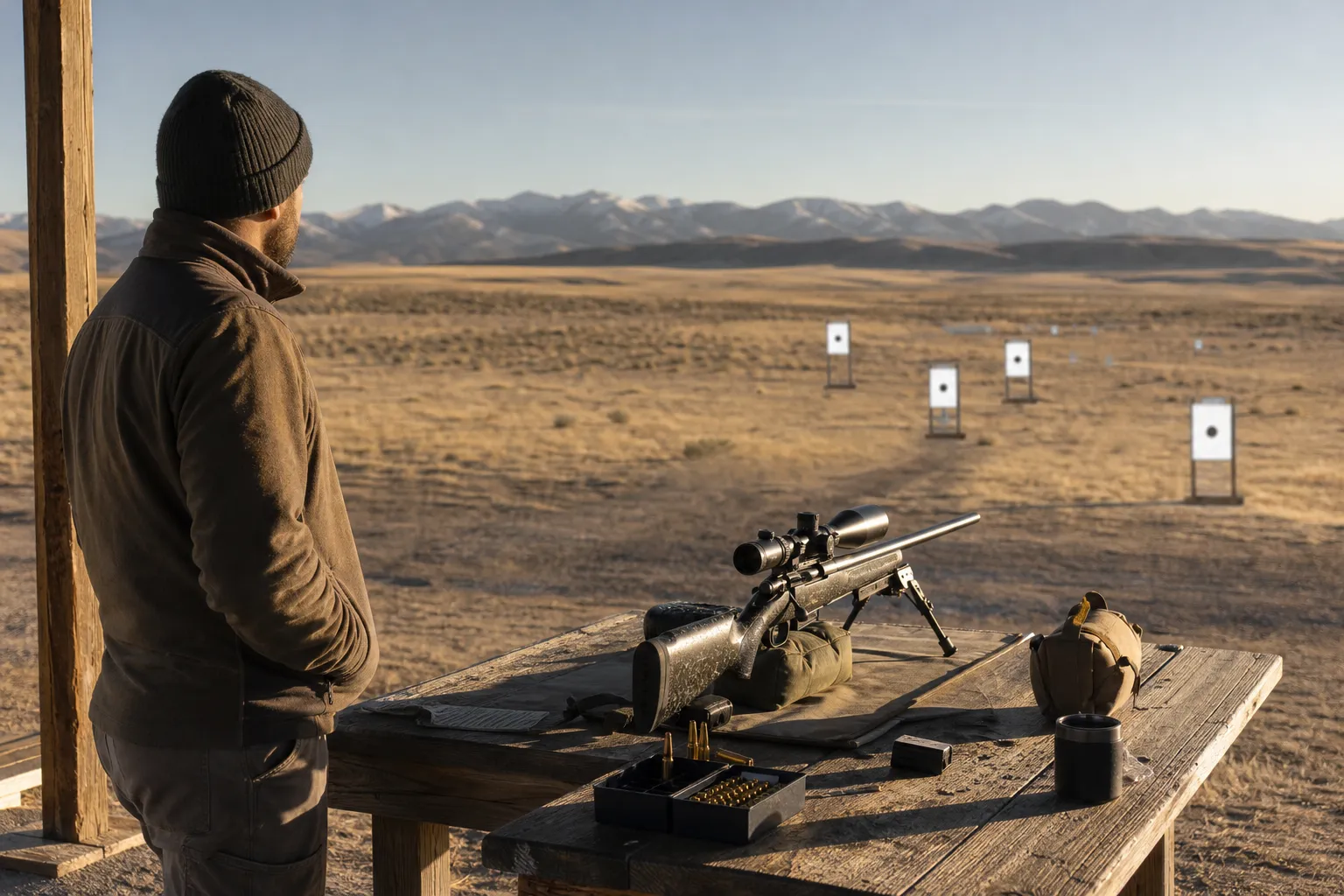
The 6.5 Creedmoor is a SAAMI standardized 6.5 mm centerfire rifle cartridge introduced by Hornady in 2007. Hornady says Dave Emary and Dennis DeMille developed it as an off the shelf match cartridge with less recoil than .308 Winchester, comparable barrel life and published factory load data.
This guide is about the cartridge itself: where it came from, what SAAMI specifies, and what published ammunition data shows about typical bullet weights, velocities and ballistic coefficients.
Origin: a match cartridge with factory support
Hornady says the 6.5 Creedmoor concept began during a 2005 National Matches at Camp Perry conversation involving Dave Emary, Dennis DeMille and Joe Thielen. Hornady introduced the cartridge in 2007 and identifies Emary and DeMille as the developers.
Hornady’s Dave Emary described the original goal as an off the shelf cartridge that was accurate enough to win, produced less recoil than .308 Winchester for rapid fire, offered comparable barrel life and carried the loading recipe on the box label.
Hornady also says the cartridge concept grew from issues competitors were having with non standardized 6 XC load data. In other words, the 6.5 Creedmoor was not just a case design. It was intended to be a standardized factory supported match cartridge.
Hornady says 6.5 mm was chosen early because of the low drag and velocity potential of 6.5 mm projectiles. Hornady originally envisioned the 6.5 Creedmoor as a target and match cartridge with good longer range performance, then quickly saw it as a medium weight hunting cartridge as well.
For a dedicated comparison with .308 Winchester, see our 6.5 Creedmoor vs .308 Winchester guide. For the faster 6.5 PRC comparison, see 6.5 Creedmoor vs 6.5 PRC.
Parent case and design choices
Hornady identifies the .30 TC as the parent case for the 6.5 Creedmoor. Hornady says that case was short enough to let very long ogive 6.5 mm bullets stay within short action magazine length restrictions.
That point is central to the cartridge. Long 6.5 mm bullets can offer high ballistic coefficients, but they also take up length. Hornady says the .30 TC case gave the Creedmoor enough room for long projectiles while staying within the intended short action format.
Hornady also says the .30 TC parent case capacity was well suited to barrel life and velocity with 140 grain class projectiles, and that the capacity worked well with 4350 class propellants.
Several design details support that goal:
- Hornady describes the Creedmoor case as having minimum body taper and a 30 degree shoulder.
- Hornady says the freebore is .2645 inch and .100 inch long, with a 1.5 degree lead.
- Hornady says that freebore and lead were designed to allow very long projectiles without intruding into the powder column while staying within short action magazine length.
The result is a cartridge built around long, low drag 6.5 mm bullets rather than one adapted to them after the fact.
SAAMI specifications
SAAMI publishes cartridge and chamber information for the 6.5 Creedmoor.
Reference velocities from SAAMI
Actual velocity varies by firearm, barrel length, ammunition lot and conditions. Ammunition makers publish their own test data for specific loads, and some list the test barrel used.
Common bullet weights and ballistic coefficients
Published 6.5 Creedmoor factory data commonly includes match and hunting bullets from about 130 to 147 grains.
Hornady explains that ballistic coefficient values can change with velocity and that most bullets show a lower BC as velocity slows. Hornady recommends comparing BCs at a given Mach number for an apples to apples comparison.
The following examples show how current published data presents representative 6.5 mm bullets and 6.5 Creedmoor loads. They are examples, not buying recommendations.
| Maker and load or bullet | Weight | Published BC | Published muzzle velocity |
|---|---|---|---|
| Hornady 6.5 mm ELD Match bullet, Mach 2.25 | 140 gr | 0.646 G1, 0.326 G7 | Not a load listing |
| Hornady Match 6.5 Creedmoor ELD Match, item 81500 | 140 gr | .646 | 826 m/s |
| Hornady 6.5 mm ELD-X bullet, Mach 2.25 | 143 gr | 0.623 G1, 0.314 G7 | Not a load listing |
| Hornady 6.5 mm ELD Match bullet, Mach 2.25 | 147 gr | 0.697 G1, 0.351 G7 | Not a load listing |
| Hornady Match 6.5 Creedmoor ELD Match, item 81501 | 147 gr | .697 | 821 m/s |
| Hornady LE 6.5 Creedmoor TAP Precision ELD Match, item 81505 | 147 gr | .697 G1 | 2,695 fps from a 24 inch SAAMI test barrel |
Hornady’s current 6.5 Creedmoor ammunition page lists product lines including American Gunner, American Whitetail, Match, Outfitter, Precision Hunter, Superformance and Varmint Express. Hornady says 6.5 Creedmoor ammunition may be loaded with bullet types including ELD-X, SST, GMX, InterLock, V-Max or ELD Match, depending on the ammunition line.
Why long, high-BC bullets suit the cartridge
Hornady’s design comments explain why the Creedmoor is closely associated with long, high BC 6.5 mm bullets. Hornady chose 6.5 mm because of low drag and velocity potential, then used the .30 TC parent case to keep long ogive bullets within short action magazine limits.
The chamber design also supports that approach. Hornady says the Creedmoor’s freebore and lead allow very long projectiles without intruding into the powder column while staying within short action magazine length.
Those choices line up with the published BC examples above. Hornady lists the 140 grain ELD Match at 0.646 G1 and 0.326 G7 at Mach 2.25, the 143 grain ELD-X at 0.623 G1 and 0.314 G7, and the 147 grain ELD Match at 0.697 G1 and 0.351 G7.
Target and hunting use
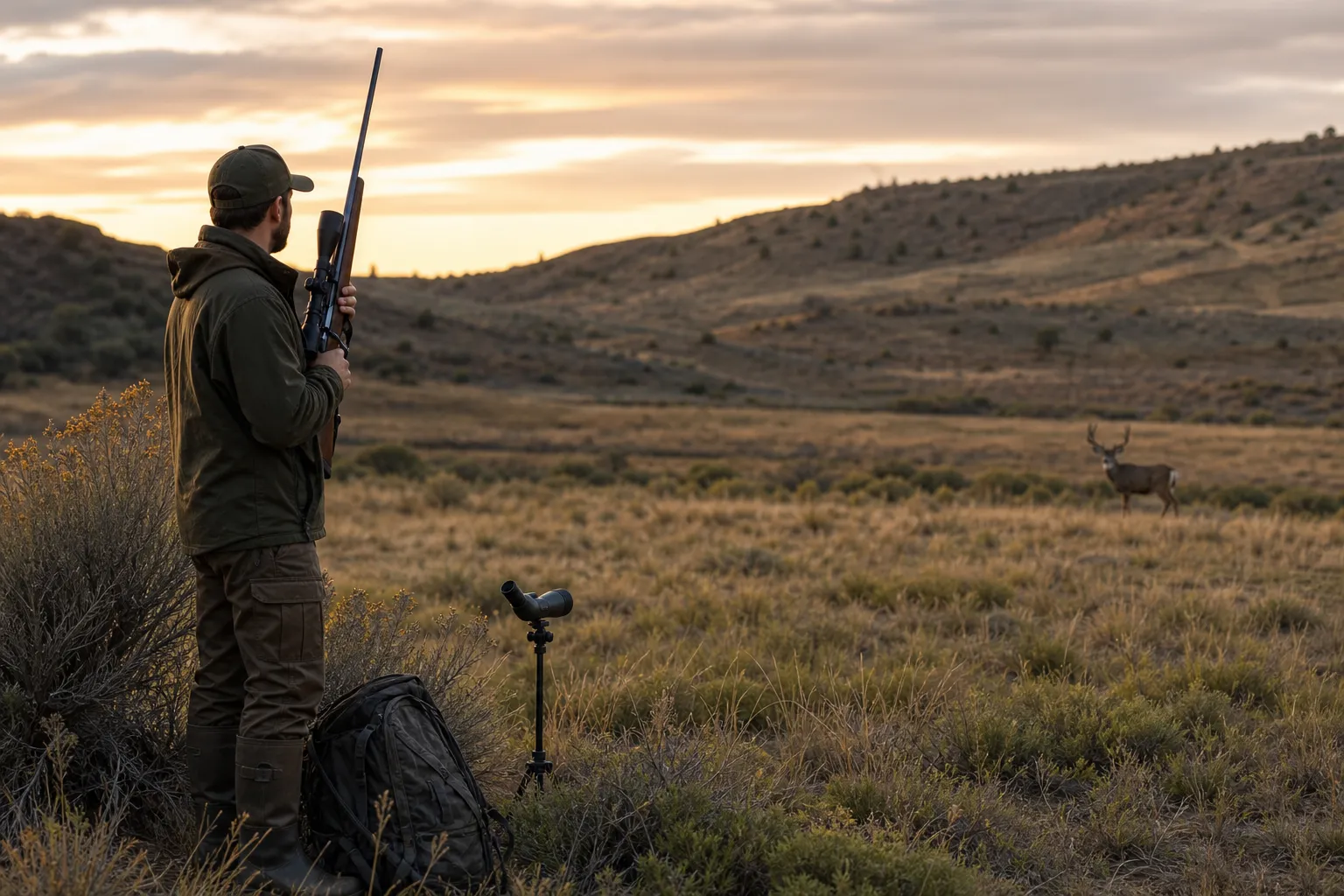
Hornady originally envisioned the 6.5 Creedmoor as a target and match cartridge with good longer range performance. Hornady later described it as a medium weight hunting cartridge as well.
For target use, the cartridge’s identity is tied to the original design brief: an off the shelf match cartridge, developed around 6.5 mm low drag projectiles, with factory load support.
For hunting use, Hornady’s Precision Hunter line uses ELD-X bullets for what Hornady describes as match accurate hunting loads. Hornady says the ELD-X bullet uses a Heat Shield tip and is intended for terminal performance at practical hunting ranges.
This page does not determine what game the 6.5 Creedmoor may be used for in any state or province. Hunting rules can specify cartridge, caliber, bullet type, energy, season and method requirements. Always confirm current regulations with the wildlife agency for the place and season you plan to hunt.
Where it sits among 6.5 mm cartridges
For a fuller comparison, use the dedicated cartridge pages rather than treating one velocity table as the whole story. See 6.5 Creedmoor vs .308 Winchester and 6.5 Creedmoor vs 6.5 PRC.
What to check before relying on the numbers
Use SAAMI for the standard dimensions, pressure and reference velocity data. Use current ammunition maker data for a specific factory load, including the listed bullet, BC, barrel length and test conditions when provided.
For hunting, confirm current rules with the state, provincial or territorial wildlife agency. For handloading or ammunition questions, use current published data from the manufacturer and follow the firearm and ammunition makers’ instructions.
Frequently asked questions
Who developed the 6.5 Creedmoor?
Hornady says the 6.5 Creedmoor was introduced in 2007 and developed by Hornady’s Dave Emary and Dennis DeMille of Creedmoor Sports. Hornady says the concept began after a 2005 National Matches at Camp Perry conversation involving Emary, DeMille and Joe Thielen.
What is the parent case of the 6.5 Creedmoor?
Hornady identifies the .30 TC as the parent case. Hornady says it was short enough to let long ogive 6.5 mm bullets fit within short action magazine length limits.
Why is the 6.5 Creedmoor associated with long, high BC bullets?
Hornady says it chose 6.5 mm because of low drag and velocity potential, used the short .30 TC parent case to fit long ogive bullets within short action magazine limits, and designed the freebore and lead around long 6.5 mm bullets.
Is the 6.5 Creedmoor only a target cartridge?
No. Hornady says it originally envisioned the 6.5 Creedmoor as a target and match cartridge, then quickly saw it as a medium weight hunting cartridge. Hunters should still confirm current local regulations before using any cartridge for a specific game species or season.
Sources
- The 6.5 Creedmoor, An interview with Hornady’s senior ballistician, Dave Emary, Hornady ManufacturingOfficial source. Accessed October 23, 2026.
- 6.5 Creedmoor, Hornady ManufacturingOfficial source. Accessed October 23, 2026.
- Ballistic Coefficient, Hornady ManufacturingOfficial source. Accessed October 23, 2026.
- Precision Hunter, Hornady ManufacturingOfficial source. Accessed October 23, 2026.
- 6.5 Creedmoor 147 gr ELD Match TAP Precision, Hornady Law EnforcementOfficial source. Accessed October 23, 2026.
- 2022 Metric Ballistics Chart, Hornady ManufacturingOfficial source. Accessed October 23, 2026.
- Hornady 2021 International Metric English Catalog, page 151, Hornady ManufacturingOfficial source. Accessed October 23, 2026.
- SAAMI Z299.4 2025 Centerfire Rifle, Sporting Arms and Ammunition Manufacturers’ InstituteOfficial source. Accessed October 23, 2026.
- 2026 Federal Catalog, Federal PremiumOfficial source. Accessed October 23, 2026.
- 6.5 CM, 140/142 grain, Version 9.0, NoslerOfficial source. Accessed October 23, 2026.