.270 Winchester: History, Specs and Ballistics
The .270 Winchester is a classic centerfire hunting cartridge introduced by Winchester in 1925 with the Model 54 rifle. It is best known for flat-shooting factory loads in the 130 to 150 grain range and for long use on deer, antelope and other big-game animals.
By RaiS. Reviewed by RaiS. Published . 5 min read.
Research and drafting were assisted by AI. RaiS checked the facts against the sources below and approved this page.
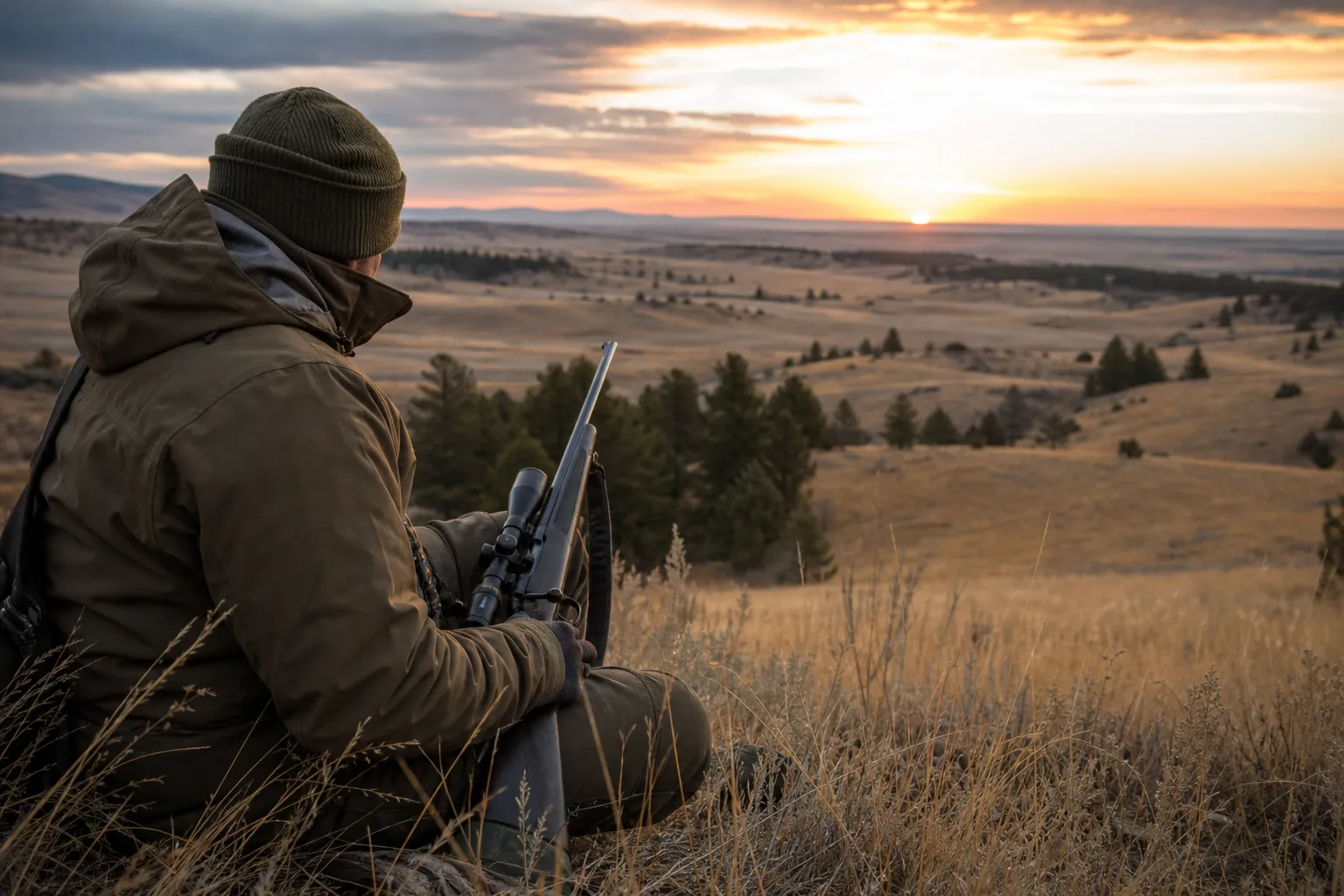
The .270 Winchester is a centerfire hunting cartridge standardized by SAAMI as 270 Winchester, abbreviated 270 Win. Winchester introduced it in 1925 with the Model 54 bolt-action rifle, and it became one of the best-known North American big-game cartridges through a mix of factory performance, rifle availability and the writing of Jack O’Connor.
What the .270 Winchester is
The .270 Winchester uses a .277-inch groove diameter in SAAMI’s rifle drawing and is built around a full-length .30-03 and .30-06 Springfield case family, as described by Rifle Magazine. In practical terms, it is a long-action hunting cartridge with a long overall cartridge length by modern sporting-rifle standards.
Rifle Magazine describes the .270 Winchester as technically based on the .30-03 case necked down, while sharing the .30-06 overall cartridge length.
For more background on the related American service-cartridge family, see ProjectGuns’ .30-06 Springfield guide. This article stays focused on the .270 Winchester rather than retelling the .30-06 story.
History and why it became popular
Winchester says the Model 54 centerfire bolt-action rifle and the 270 Winchester cartridge were introduced in 1925. That timing matters because the cartridge arrived as a commercial sporting round, not as a military cartridge later adapted to hunting.
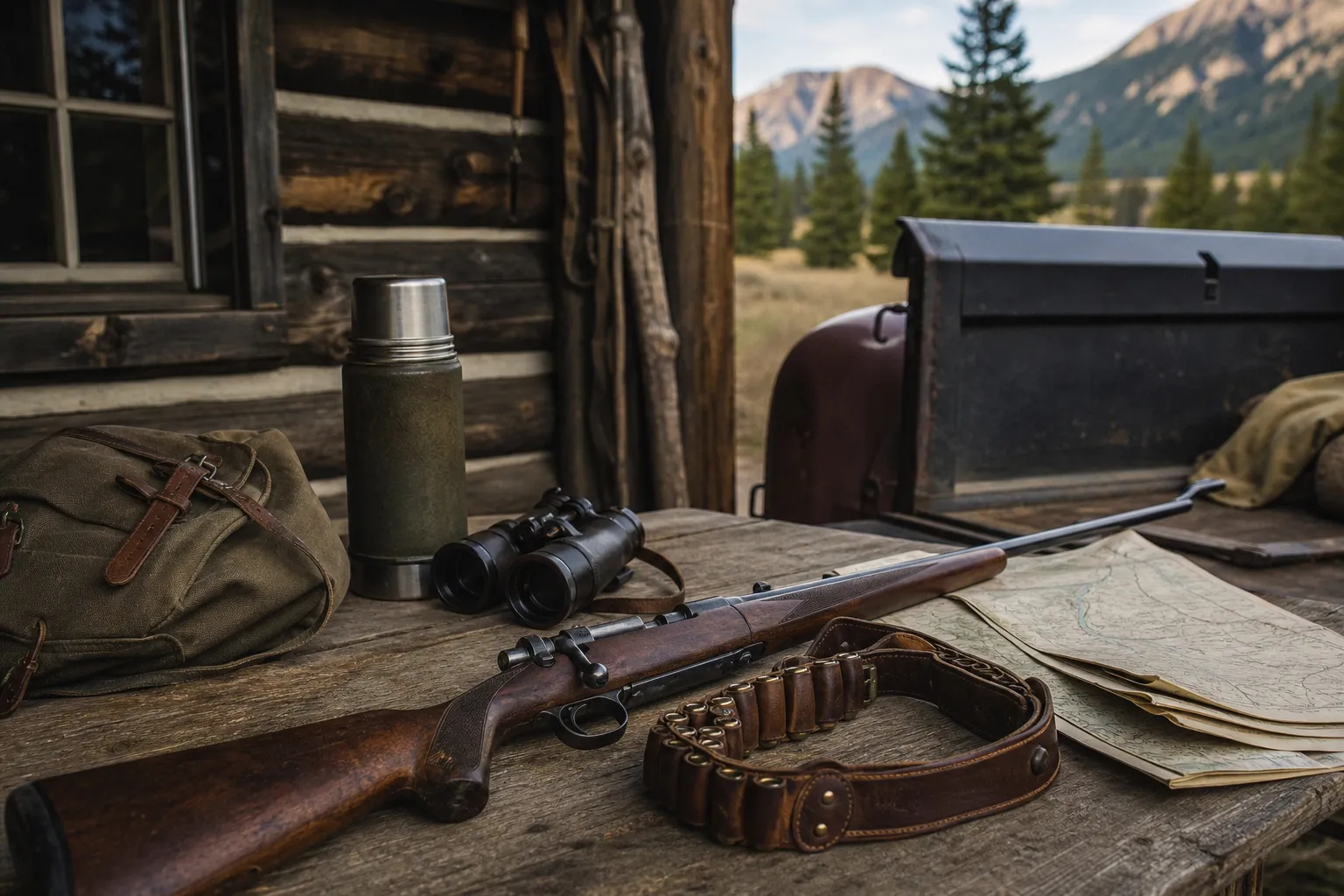
Winchester attributes part of the cartridge’s fame to Jack O’Connor’s writing. Boone and Crockett says O’Connor is often credited with the .270 Winchester’s market success, partly because of his long tenure as Outdoor Life shooting editor. American Rifleman says O’Connor often chose the .270 Winchester by the early 1950s and carried it on numerous sheep hunts in western Canada.
O’Connor did not invent the .270 Winchester. Its launch belongs to Winchester. His role was different: he used it, wrote about it and helped make it familiar to generations of hunters.
American Rifleman describes the .270 Winchester as primarily a hunting cartridge rather than a match cartridge. That identity still shapes how most factory ammunition is cataloged today, with deer, antelope and general big-game bullet styles dominating the common load lineup.
SAAMI specifications
SAAMI’s current centerfire rifle standard is Z299.4-2025, approved February 10, 2025. SAAMI says its centerfire rifle standard provides dimensional information for cartridges and firearm chambers, plus pressure and velocity characteristics for commercial manufacturers.
| Specification | SAAMI listing |
|---|---|
| Standardized name | 270 Winchester |
| Abbreviation | 270 Win |
| Bore diameter | .270 inch |
| Groove diameter | .277 inch |
| Barrel form shown | Four grooves |
| Twist shown | 10-inch right-hand twist, listed as optional |
SAAMI’s .270 Winchester cartridge drawing was issued on May 29, 1979 and revised on May 4, 2022.
For 130 grain bullets, SAAMI lists three velocity entries: 3,050, 3,130 and 3,200 feet per second. Those entries line up with the broad spread seen in current hunting ammunition catalogs.
This is not handloading data. Use only current manufacturer data and the instructions for the exact firearm and ammunition involved.
Common factory loads and ballistics
The .270 Winchester is strongly associated with 130, 140 and 150 grain hunting bullets. Rifle Magazine identifies those as the most popular factory load weights and gives approximate current factory-load velocities of 3,060 fps for 130 grain loads, 2,950 fps for 140 grain loads and 2,850 fps for 150 grain loads.
Factory catalogs show the same pattern. The examples below are not rankings or recommendations. They are published examples that show the range a hunter will commonly see when comparing .270 Winchester ammunition.
| Maker and catalog | Bullet weight and load | Listed muzzle velocity | Other listed data |
|---|---|---|---|
| Remington 2026 catalog | 130 grain Core-Lokt Pointed Soft Point | 3,060 fps | 2,702 foot-pounds at the muzzle. With a 200-yard zero, Remington lists 43.42 inches of drop at 500 yards |
| Winchester 2022 new-products catalog | 130 grain Extreme Point Copper | 3,060 fps | 2,702 foot-pounds at the muzzle |
A simple way to read those numbers is that many 130 grain .270 Winchester loads cluster around roughly 3,050 to 3,200 fps, while many 150 grain factory loads are around 2,850 fps. Individual loads vary by bullet design and by the test conditions used by the manufacturer.
Typical hunting use
American Rifleman describes the .270 Winchester as primarily a hunting cartridge. Rifle Magazine says the 130 grain bullet was popular for deer and antelope, while 150 grain bullets were used for larger species.
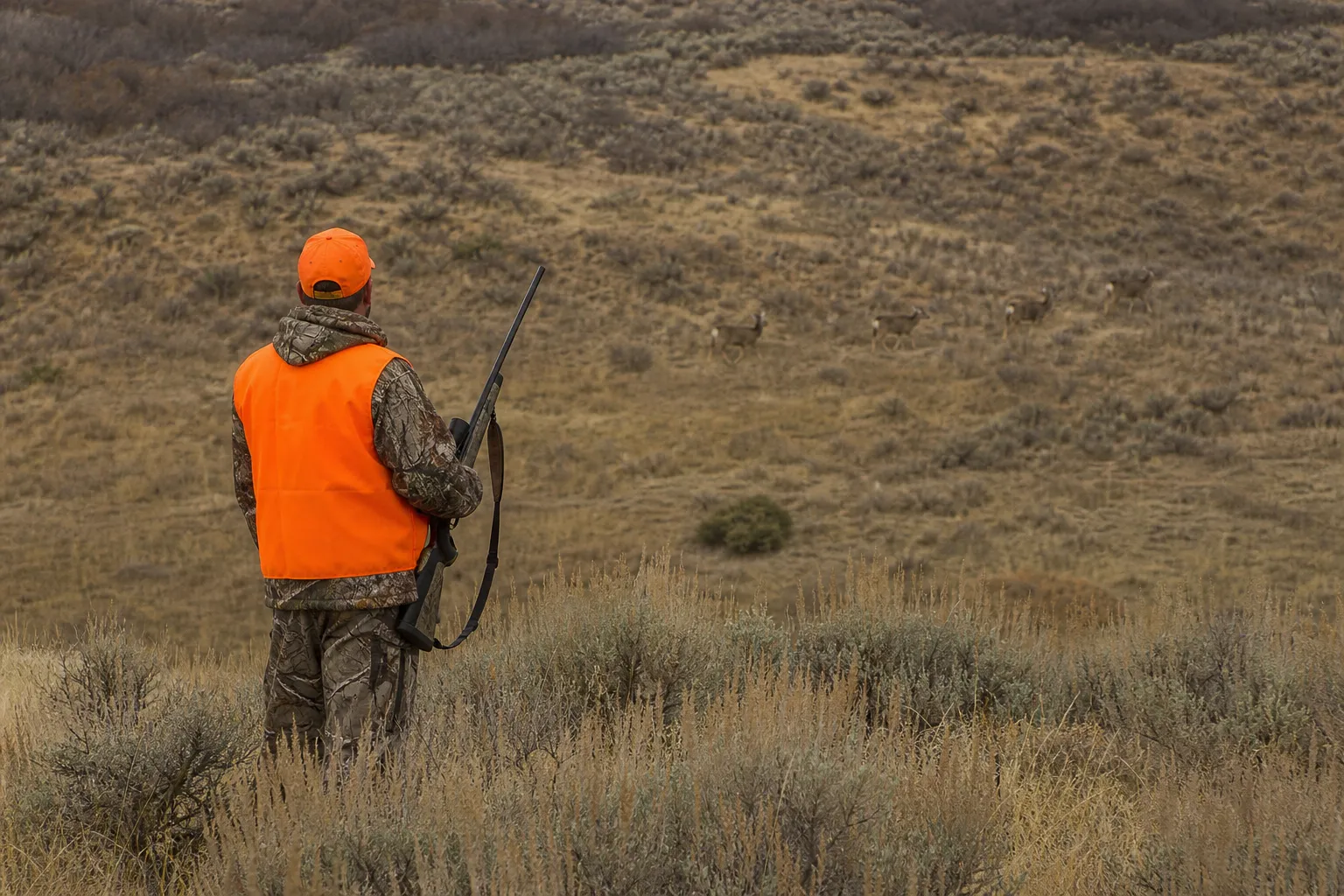
That gives the .270 Winchester its common identity: a flat-shooting big-game hunting cartridge centered on medium game, especially deer-sized animals. Hunters often look at 130 grain loads for deer and antelope use, while heavier or tougher bullets are commonly discussed when the animal is larger.
For a broader comparison of deer cartridges, see ProjectGuns’ best deer hunting calibers guide. The .270 Winchester fits into that conversation as a long-established hunting round with a deep factory ammunition catalog.
Do not treat cartridge reputation as a substitute for regulation checks. Hunting rules are set by state, provincial and territorial agencies, and they can specify species, seasons, methods, minimum equipment rules and local restrictions. Always confirm current rules with the wildlife agency for the exact place and season you plan to hunt.
How to read .270 Winchester ballistics tables
When comparing .270 Winchester ammunition, start with bullet weight, muzzle velocity and the zero distance used in the trajectory table. A 200-yard zero is common in the catalog examples above, but the drop figure at 500 yards still changes from load to load.
Next, compare the bullet type by its intended use as described by the manufacturer. The examples include Core-Lokt Pointed Soft Point and Extreme Point Copper loads. Those names identify different bullet designs, and manufacturers publish them in hunting-ammunition lines.
Finally, remember that catalog ballistics are standardized examples. They are useful for comparison, but they are not a guarantee that every rifle will produce the same velocity or point of impact. Confirm the ammunition in the rifle you actually use, and follow the firearm maker’s manual and the ammunition maker’s warnings.
Bottom line
The .270 Winchester has a clear historical and technical profile. Winchester introduced it in 1925 with the Model 54, SAAMI standardizes it as 270 Winchester or 270 Win, and current factory loads commonly cover 130 to 150 grain hunting bullets.
For hunters, its reputation rests on deer, antelope and other big-game hunting use rather than target-match history. Before hunting with it, check three official items: the current ammunition maker’s data for the exact load, your rifle manufacturer’s manual, and the current hunting regulations from the agency that manages the place you plan to hunt.
Frequently asked questions
When was the .270 Winchester introduced?
Winchester says the 270 Winchester cartridge and the Model 54 centerfire bolt-action rifle were introduced in 1925.
Is the .270 Winchester based on the .30-06?
Rifle Magazine describes the .270 Winchester as part of the full-length .30-03 and .30-06 Springfield case family, and states that it is technically based on the .30-03 case necked down while sharing the .30-06 overall cartridge length.
What are common .270 Winchester bullet weights?
Rifle Magazine identifies 130, 140 and 150 grain bullets as the most popular factory load weights.
How fast is a typical .270 Winchester factory load?
Published examples vary. SAAMI lists 130 grain entries at 3,050, 3,130 and 3,200 fps. Rifle Magazine gives approximate current factory-load velocities of 3,060 fps for 130 grain, 2,950 fps for 140 grain and 2,850 fps for 150 grain loads.
What game is the .270 Winchester commonly associated with?
American Rifleman describes it as primarily a hunting cartridge. Rifle Magazine says the 130 grain bullet was popular for deer and antelope, while 150 grain bullets were used for larger species.
Sources
- SAAMI Standards, Sporting Arms and Ammunition Manufacturers' InstituteOfficial source. Accessed October 23, 2026.
- SAAMI Z299.4-2025, Voluntary Industry Performance Standards for Pressure and Velocity of Centerfire Rifle Ammunition, Sporting Arms and Ammunition Manufacturers' InstituteOfficial source. Accessed October 23, 2026.
- Historical Timeline 1900-1949, Winchester Repeating ArmsOfficial source. Accessed October 23, 2026.
- Winchester 2022 New Products, Winchester AmmunitionOfficial source. Accessed October 23, 2026.
- Hornady 2025 Product Catalog, Hornady ManufacturingOfficial source. Accessed October 23, 2026.
- Hornady 2026 Product Catalog, Hornady ManufacturingOfficial source. Accessed October 23, 2026.
- Federal 2026 Catalog, Federal Premium AmmunitionOfficial source. Accessed October 23, 2026.
- Remington 2026 Catalog, Remington AmmunitionOfficial source. Accessed October 23, 2026.
- The 270 Winchester Turns 100, Rifle Magazine. Accessed October 23, 2026.
- The .270: America’s Cartridge, Boone and Crockett Club. Accessed October 23, 2026.
- The .270 Winchester Cartridge, American Rifleman. Accessed October 23, 2026.