Base Layers Explained: Merino Wool vs Synthetic for Hunting and Hiking
A base layer is the next to skin layer that helps manage sweat so the rest of your clothing system can keep working. Merino wool and synthetics both work, but they manage moisture, comfort and care in different ways.
By RaiS. Reviewed by RaiS. Published . 7 min read.
Research and drafting were assisted by AI. RaiS checked the facts against the sources below and approved this page.
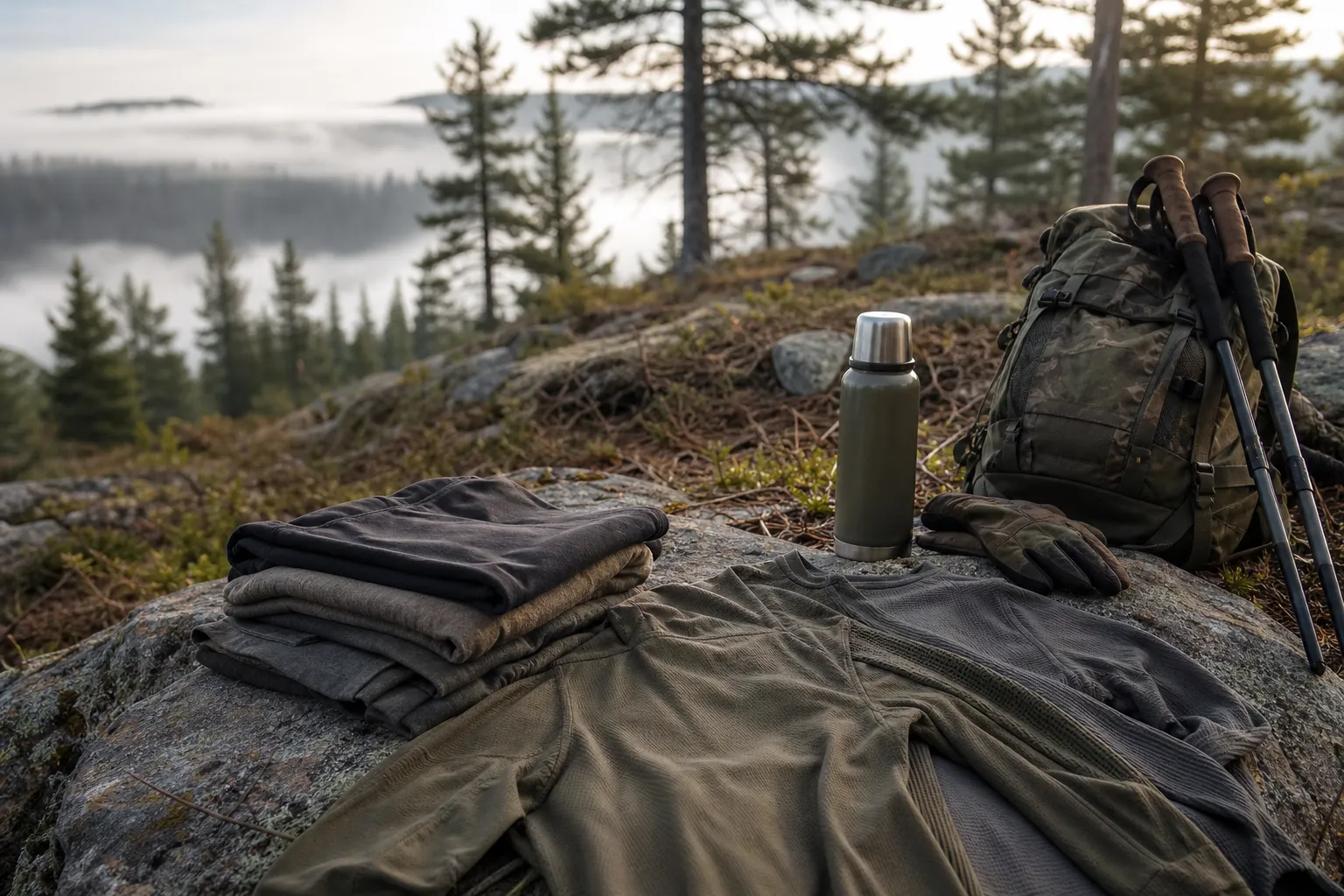
A base layer is the clothing layer worn next to your skin. Its main job is moisture management, not replacing your insulating layer. CDC cold-weather guidance points to wool, silk or polypropylene as inner-layer choices, because staying dry matters: the CDC warns that sweat and wet clothing can chill the body rapidly.
For hunting and hiking, the simple comparison is this: synthetic base layers usually emphasize moving sweat away from skin, while merino wool emphasizes moisture-vapor buffering and comfort across changing conditions. Neither material is magic. The best choice depends on activity level, weather, how long you will be out and how carefully you manage the rest of your layers.
What a base layer does
A base layer is the next-to-skin part of a cold-weather clothing system. CDC Yellow Book guidance describes a cold-climate base layer as silk, wool or polypropylene worn to wick moisture away from skin.
The reason is safety as much as comfort. The CDC says sweat and wet clothing can rapidly chill the body. The U.S. Army TB MED 508 explains that a wet clothing system loses insulation and that conductive heat loss increases substantially when clothing is wet.
That does not mean a base layer is supposed to be your warmest layer. The CDC describes insulation as trapping air close to the body. That is mostly the job of the middle layer. The base layer helps keep moisture from undermining that trapped-air insulation.
Think of the system in three jobs:
- Base layer: manages sweat and moisture next to the skin.
- Insulating layer: traps air close to the body, as the CDC describes.
- Outer shell: helps protect the system from outside conditions when needed.
For a deeper look at the full clothing system, see how to layer clothing for cold-weather hunting.
Why moisture matters in cold conditions
Cold-weather clothing is not only about using thicker garments. U.S. Army TB MED 508 describes cold-weather clothing in terms of layering and staying dry. The CDC Yellow Book also emphasizes remaining dry by layering and lists conduction, convection and radiation as major ways the body loses heat in cold environments.
Sweat creates a common problem for hunters and hikers because activity changes quickly. A climb, drag, pack-out or long approach can build heat. Then glassing, sitting or waiting can drop your heat production. If the base layer is wet when you stop moving, the CDC warning about sweat and wet clothing becomes very practical.
Merino wool: what it does well
Woolmark describes merino wool fiber as having a hydrophobic outer layer and a hydrophilic inner core. In plain English, the outside of the fiber tends to resist liquid water, while the inside can take in moisture vapor. Woolmark says this structure allows merino to retain moisture vapor without feeling wet.
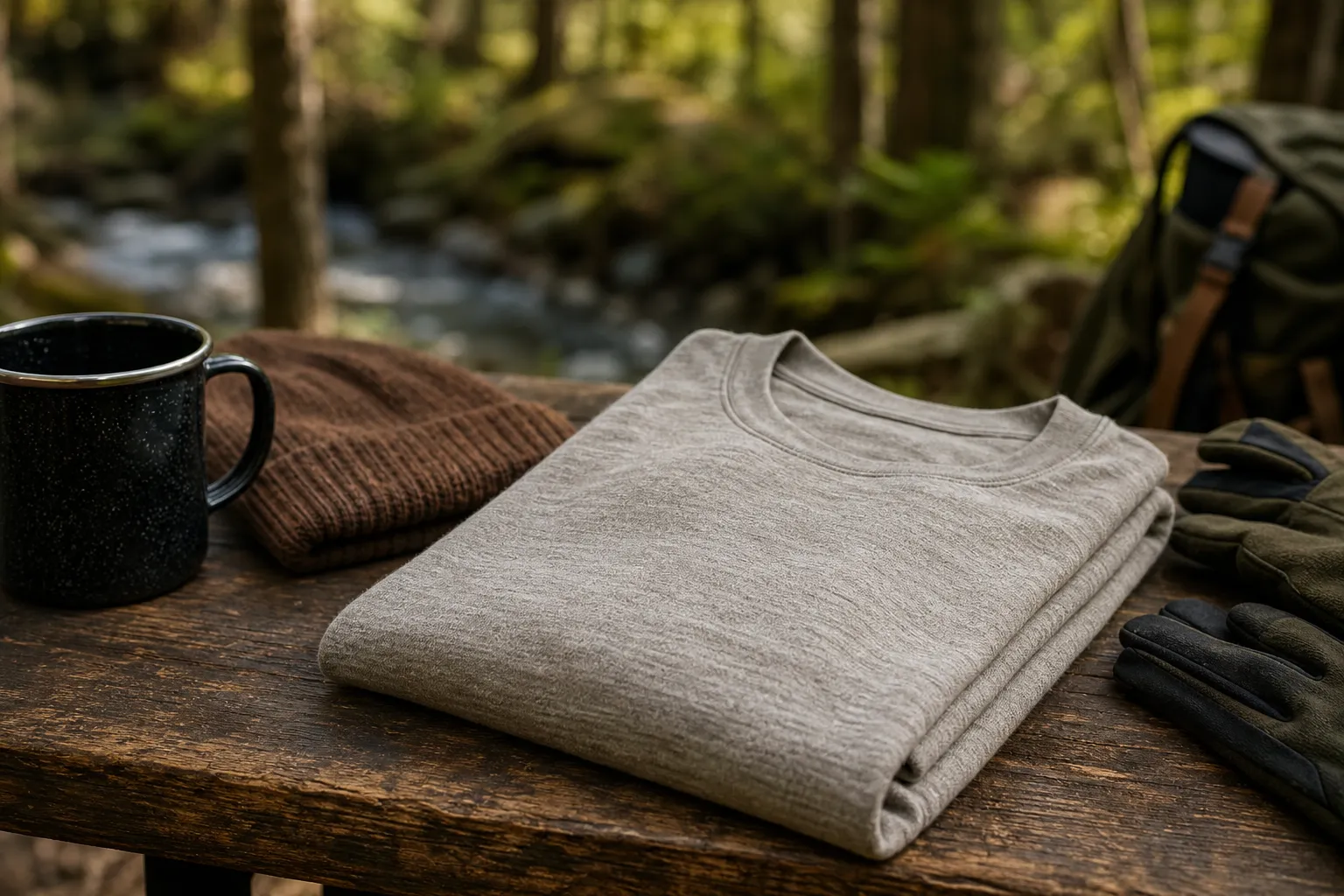
Woolmark also says the merino fiber matrix can absorb and retain liquid moisture, sweat and moisture vapor from humid next-to-skin areas. That is one reason merino is commonly used in base layers, activewear and outdoor clothing.
For variable activity, that vapor-buffering quality can be useful. A PubMed-indexed study on post-exercise comfort reported that wool clothing helped buffer post-exercise chill compared with cotton, viscose and polyester in a controlled test. That does not mean every merino garment will feel the same, but it supports the idea that wool can behave differently during the warm-up and cool-down cycle.
Where merino often makes sense
Based on those material properties, merino is often a strong candidate when comfort across changing output levels matters. That can include multi-day hunts, travel where washing is limited or days with alternating hiking and sitting.
The important caution is that merino garments vary. Fabric weight, knit, blend, fit and care all change how a real shirt or bottom performs.
Synthetic base layers: what they do well
Synthetic base layers often use polyester or polypropylene. U.S. Army TB MED 508 describes polyester and polypropylene inner layers as materials that do not readily absorb moisture but move moisture along fibers to outer layers.
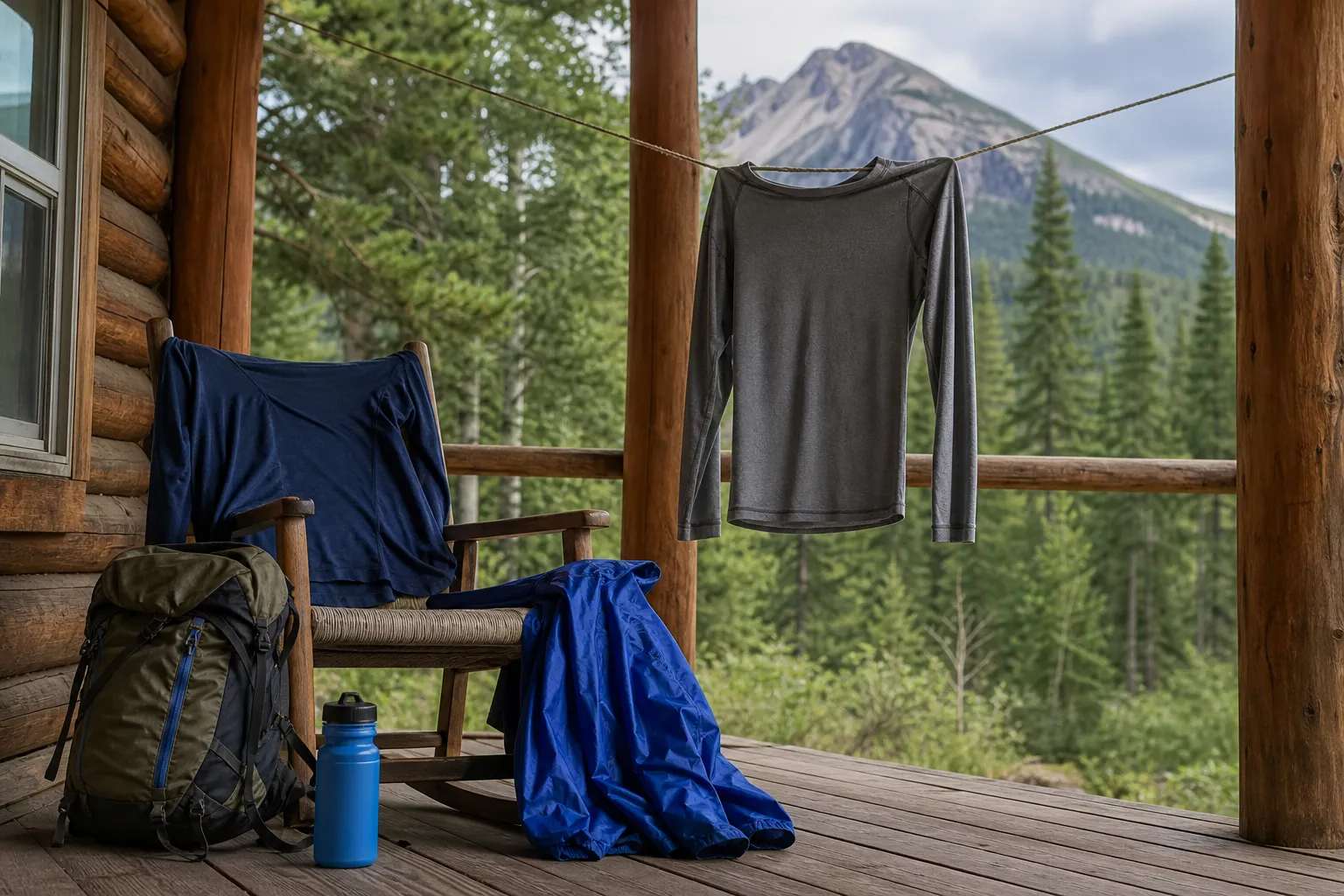
Polartec describes wicking as a mechanical process controlled by fabric construction, physical nature and interaction with water. That is an important point: wicking is not only a fiber name on a tag. Knit structure and fabric design matter.
Polartec says its Power Dry synthetic base-layer fabric uses a bi-component knit to pull sweat to the outer surface for quick evaporation.
That quick moisture movement can be useful during high-output hiking, steep approaches or other periods when sweat control is the priority. Synthetics are also commonly discussed as durable base-layer options, but the facts that matter most for a buyer are still garment-specific: fabric construction, weight, fit and care.
Some synthetic garments use antimicrobial textile treatments intended to reduce bacterial odor generation. ASTM E2922-23 explains that antimicrobial textile treatments are used to reduce bacterial odor generation, but it also cautions that lab test standards are not absolute indicators of real-life performance. That means an odor-control claim can be relevant, but it should not be treated as a guarantee for every person, trip or washing history.
Where synthetics often make sense
Based on the listed material behavior, synthetics often make sense when moving sweat away from skin is the priority. They can be especially appealing for high-output hiking or any cold-weather activity where you expect to sweat and then adjust layers before stopping.
As with merino, the exact garment matters. A synthetic base layer with a different knit, weight or finish may behave differently from another synthetic base layer.
Merino vs synthetic: side-by-side comparison
| Category | Merino wool | Synthetic fabrics |
|---|---|---|
| Moisture movement | Woolmark says merino can retain moisture vapor without feeling wet because of its fiber structure. | U.S. Army TB MED 508 describes polyester and polypropylene as moving moisture along fibers to outer layers. |
| Warmth role | Wool is listed by the CDC as an appropriate inner-layer material, but insulation still depends on the full clothing system. | Polypropylene is listed by the CDC as an appropriate inner-layer material, but insulation still depends on the full clothing system. |
| Care | Merino brands commonly advise gentle washing, no bleach and no fabric softener. | Care depends on the garment, fabric construction and any odor-control finish. |
How textile standards help you compare claims
Outdoor clothing tags often use words like wicking, breathable, fast drying and odor resistant. Textile standards help explain why those claims are not all the same.
AATCC TM195 is a textile test method for measuring, evaluating and classifying liquid moisture management in fabrics.
The practical takeaway is simple: moisture management is not one single property. A shirt can wick liquid sweat, dry at a certain rate, move water vapor differently and handle odor differently. A fabric description that mentions only one of those qualities does not describe the whole garment.
Layering principles for hunting and hiking
The CDC points toward inner layers made from wool, silk or synthetic materials rather than cotton in cold-weather guidance. The CDC says wool, silk or polypropylene hold more body heat than cotton.
Layering works best when you adjust before you are soaked. The U.S. Army TB MED 508 emphasizes layering and staying dry. If you wait until a base layer is wet, the rest of the system has to work harder.
In practice, that means treating your base layer as the first part of a system, not a stand-alone solution. If you are producing a lot of heat, reduce or vent other layers before heavy sweating builds. If you stop moving, add insulation before you chill. The broader cold-weather guidance is consistent: stay dry, layer and avoid letting sweat become a cold-weather problem.
Care: why the label matters
Care instructions matter because base layers are not just raw fiber. They may include blends, knit structures and finishes. Follow the garment label first.
Smartwool’s merino care guidance recommends gentle machine washing in warm or cool water, mild soap, no bleach, no fabric softener and flat drying or low tumble drying where preferred. Icebreaker recommends a gentle 30°C wash and says fabric softener can affect merino’s natural breathability and moisture management.
Those merino examples do not automatically apply to every garment, especially blends or treated fabrics. They do show why bleach, fabric softener and high-heat drying deserve caution when the garment label warns against them.
For synthetic garments with antimicrobial treatments, the same label-first rule applies. ASTM E2922-23 cautions that lab standards for antimicrobial textile treatments are not absolute indicators of real-life performance, so care, wear and conditions can all affect what you notice in the field.
Choosing between merino and synthetic
Choose by the problem you are trying to solve.
If sweat buildup during movement is the main concern, a synthetic base layer may be the better starting point because U.S. Army TB MED 508 describes polyester and polypropylene inner layers as moving moisture along fibers to outer layers, and Polartec describes a synthetic knit that pulls sweat to the outer surface for quick evaporation.
If comfort over changing conditions and post-exercise chill are major concerns, merino deserves a close look. Woolmark describes merino’s vapor absorption behavior, and a PubMed-indexed study supports the idea that wool can behave differently during the warm-up and cool-down cycle.
If the day includes both, do not overthink it. Either material can work as part of a good clothing system. The key is to manage sweat before it soaks the system and pair the base layer with insulation and a shell when conditions require.
Before a cold-weather hunt or hike, check current CDC cold-weather guidance, review the forecast and follow the care label on the actual garment you plan to wear.
Frequently asked questions
What is the main purpose of a base layer?
A base layer is the next-to-skin layer that manages moisture. CDC Yellow Book guidance describes silk, wool or polypropylene base layers as materials worn to wick moisture away from skin.
Is merino wool better than synthetic for cold weather?
Not always. Merino wool can help buffer moisture vapor and support comfort across changing conditions. Synthetic fabrics are often designed to move moisture along fibers and toward outer layers. The better choice depends on activity level, weather and the rest of your clothing system.
How should merino base layers be washed?
Follow the garment label. Smartwool recommends gentle machine washing in warm or cool water with mild soap, no bleach and no fabric softener. Icebreaker says fabric softener can affect merino breathability and moisture management.
Sources
- Winter Weather: Preparedness, Occupational Safety and Health AdministrationOfficial source. Accessed October 30, 2026.
- Safety Guidelines: During and After a Winter Storm, Centers for Disease Control and PreventionOfficial source. Accessed October 30, 2026.
- Cold Weather and Travel, Centers for Disease Control and PreventionOfficial source. Accessed October 30, 2026.
- Heat and Cold Illness in Travelers, CDC Yellow BookOfficial source. Accessed October 30, 2026.
- TB MED 508, Prevention and Management of Cold-Weather Injuries, U.S. ArmyOfficial source. Accessed October 30, 2026.
- TM195 Test Method for Liquid Moisture Management Properties of Textile Fabrics, AATCCOfficial source. Accessed October 30, 2026.
- Standard Test Methods and Procedures, AATCCOfficial source. Accessed October 30, 2026.
- AATCC Releases New Moisture Management Method, AATCCOfficial source. Accessed October 30, 2026.
- Power Dry Quick Drying Base Layer Fabric, PolartecOfficial source. Accessed October 30, 2026.
- What is the Wool Fibre?, WoolmarkOfficial source. Accessed October 30, 2026.
- How to Choose Base Layers and Long Underwear, REI Co-op Expert Advice. Accessed October 30, 2026.
- Quantitative and sensory evaluation of odor retention on polyester/wool blends, Textile Research Journal. Accessed October 30, 2026.
- Textile laundering and body odor: a comprehensive review, Textile Research Journal. Accessed October 30, 2026.
- Clothing impact on post-exercise comfort: skin-clothing physiology in transient environment, PubMed. Accessed October 30, 2026.
- ASTM E2922-23 Standard Guide for Evaluating Antibacterial Activity on Textiles, ASTM InternationalOfficial source. Accessed October 30, 2026.
- Odor-Control Finishes, PatagoniaOfficial source. Accessed October 30, 2026.
- Merino Wool Washing and Care Guidelines, SmartwoolOfficial source. Accessed October 30, 2026.
- Caring for your icebreaker, IcebreakerOfficial source. Accessed October 30, 2026.