Elk Calls Explained: Bugles, Cow Calls and Diaphragm Reeds
Revised the article, summary and FAQ to keep only supported statements and to narrow or remove unsupported details.
By RaiS. Reviewed by RaiS. Published . 5 min read.
Research and drafting were assisted by AI. RaiS checked the facts against the sources below and approved this page.
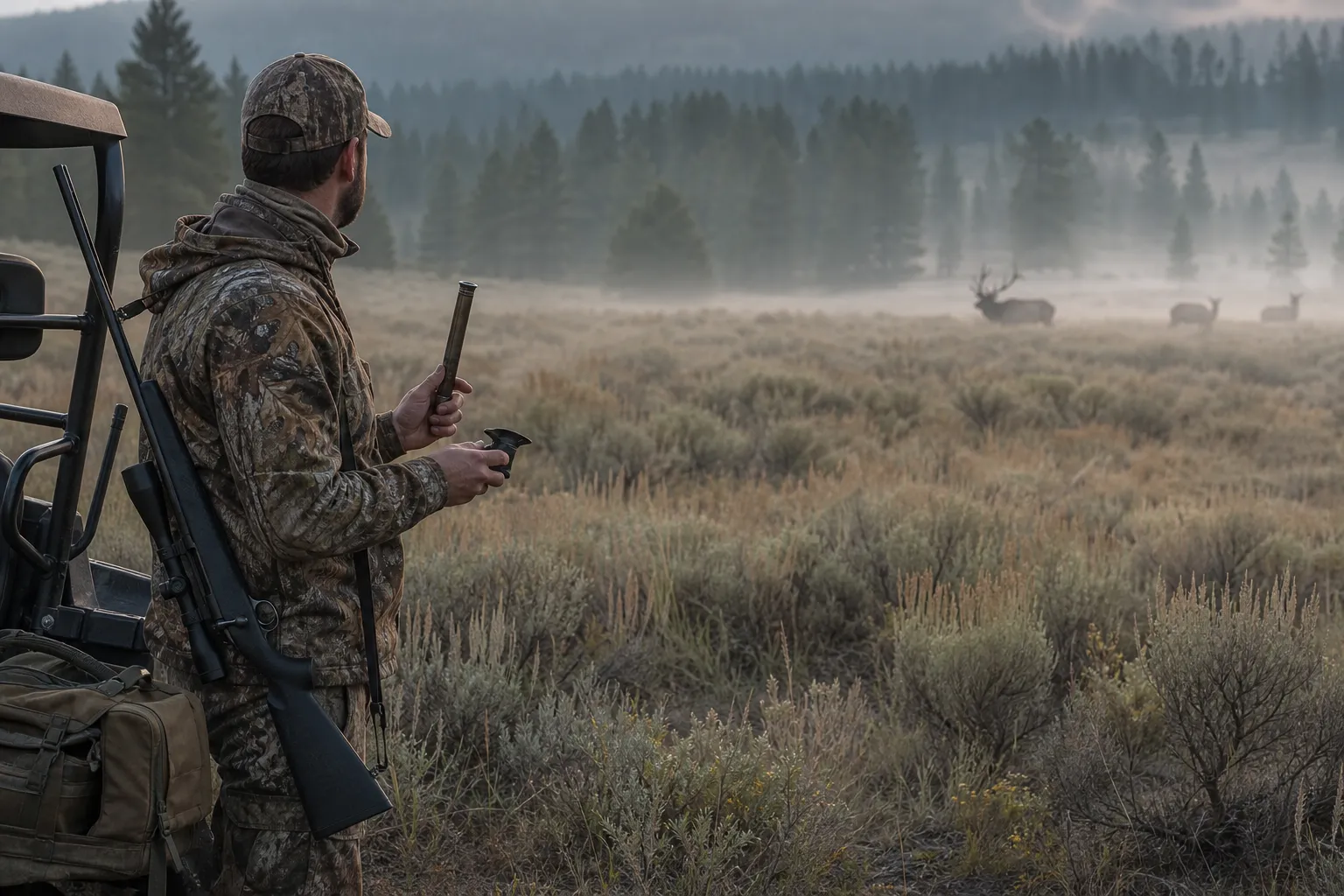
Elk calls are tools for imitating elk vocalizations, especially during the fall rut. Bulls make bugles, grunts and snorts, while cows make chirps, mews and whines, according to the National Park Service’s Yellowstone elk materials. For hunters learning the sounds, the key difference is simple: bugles imitate bull communication, while cow calls and calf calls imitate herd sounds.
For broader background on the animal and rut behavior, see our Elk guide. If you are comparing elk calls with deer calling categories, see our Deer Calls guide.
What elk are saying during the rut
The rut is the elk breeding season in fall. Timing varies by place. Rocky Mountain National Park says the peak elk rut there generally runs from mid-September to mid-October.
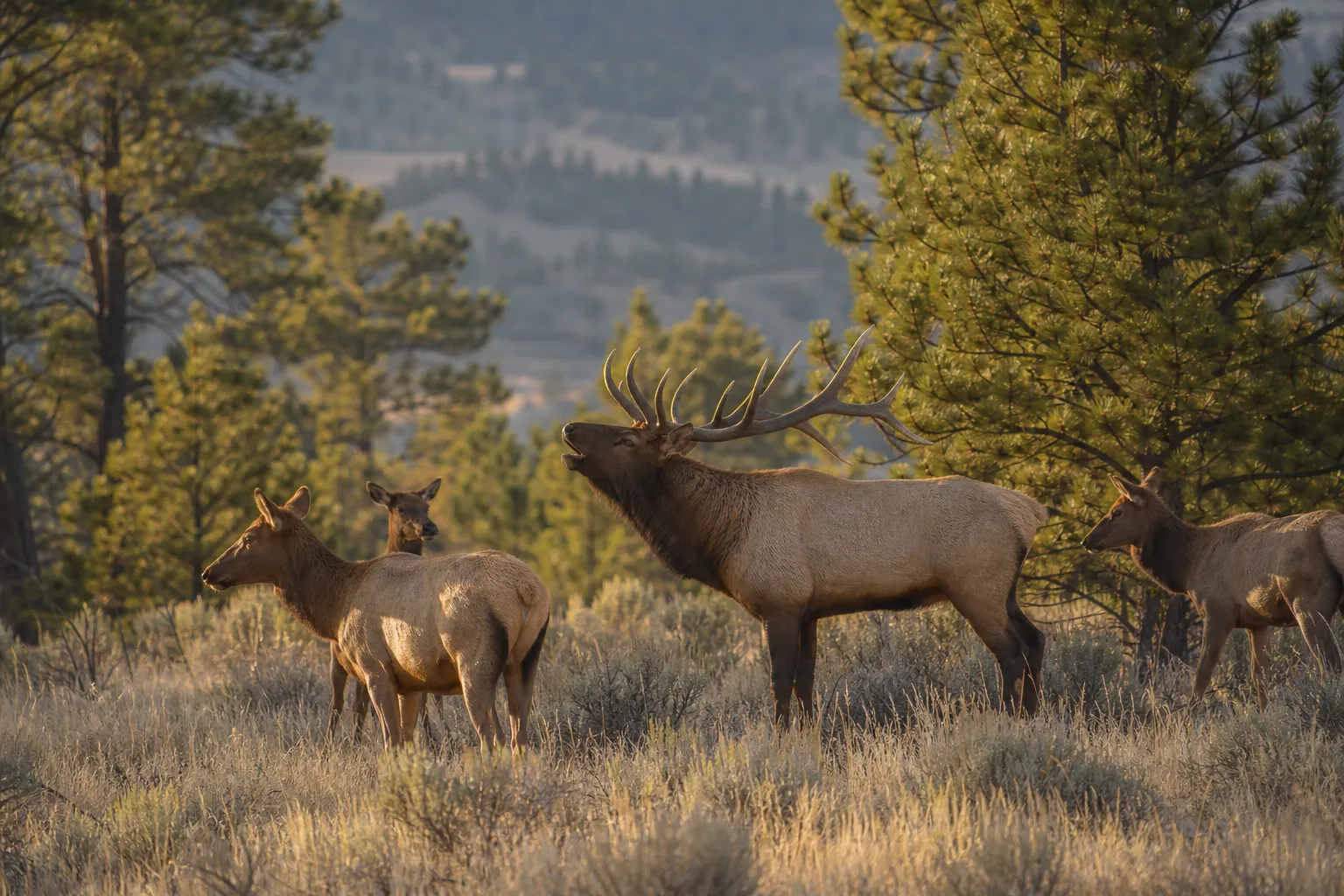
During the rut, bull vocalizations are not just noise. The National Park Service says mature bull elk bugle to attract mates and to let other bulls know they will defend cows. Rocky Mountain National Park says elk bugles can carry a wide range of information, including that a bull is in the area with his cows.
Cow, calf and herd-contact sounds serve a different role. The National Park Service lists female elk vocalizations as chirps, mews and whines. These are the sounds most often associated with cow and calf calls.
Bull sounds: bugles, grunts, chuckles and glunks
A bugle is the classic bull elk sound.
A bugle can be used by a bull to announce presence, attract cows, and communicate with other bulls. Rocky Mountain National Park says some bugles communicate that a bull is present with his cows. The National Park Service says mature bulls bugle to attract mates and communicate to other bulls that they will defend cows.
A response to a bugle does not necessarily mean the elk is coming to the caller. The official descriptions describe bugles as communication that can carry information about presence, cows and defense. That makes bugling useful for identifying elk activity, but it should not be treated as a guarantee of movement.
Cow and calf sounds: mews, chirps, whines and estrus calls
Cow and calf sounds are the softer side of elk communication. The National Park Service lists chirps, mews and whines as female elk sounds.
A mew is commonly the sound that open-reed and diaphragm cow calls are designed around.
Calf sounds are related to cow sounds but higher in pitch. Washington Department of Fish and Wildlife describes calf calls as similar to cow calls but higher pitched. RMEF describes calf sounds as single squeak-like sounds.
Estrus calls are often discussed as part of rut calling, but the important point for beginners is sound identification, not a promise that one sound will always produce a specific result. Elk vocalizations can communicate presence, herd contact or breeding-season interaction, depending on the sound and context.
Calls that imitate elk
Elk calls fall into a few broad categories: bugle tubes, diaphragm mouth reeds and open-reed cow calls. Each category can imitate different parts of elk communication.

Bugle tubes
Washington Department of Fish and Wildlife describes a bugle tube as a call that imitates a bugling bull. Rocky Mountain Hunting Calls says a bugle tube can be designed for use with diaphragm calls.
In practical terms, the tube is the part that helps project and shape a bull sound made with a diaphragm or mouthpiece. Bugle tubes are associated with bull sounds such as bugles, rather than the quieter cow and calf sounds made on many external cow calls.
Diaphragm mouth reeds
A diaphragm mouth reed is a hands-free mouth call.
Because a diaphragm is inside the mouth, it can be used with a bugle tube for bull sounds, or by itself for cow and calf sounds. It also leaves the caller’s hands free, which is one reason many elk callers learn it.
Open-reed cow calls
An open-reed cow call is an external cow call. Rocky Mountain Hunting Calls describes an open-reed cow call as producing cow and calf sounds.
Open-reed calls are usually associated with mews and other cow or calf sounds. Rocky Mountain Hunting Calls says tone-cap holes can alter tone, pitch and volume on an open-reed cow call.
A simple way to understand the category is this: a bugle tube is for bull-style projection, a diaphragm reed can cover multiple sounds with practice, and an open-reed cow call is built around cow and calf vocalizations.
Basic technique concepts
The main technique variables are air, pressure and pitch change. The goal is to understand how the call makes sound, not to memorize a guaranteed hunting setup.
For diaphragm reeds, air pressure and tongue pressure can affect the sound of the call.
For open-reed cow calls, air and mouth movement can affect pitch and tone.
For bugle tubes, the tube works with a diaphragm call or mouthpiece to imitate a bugling bull. Call-maker materials describe bugle tubes designed for diaphragm use, and Washington Department of Fish and Wildlife describes a bugle tube as a call that mimics a bugling bull.
Beginners may also encounter push-style calls in the broader elk-call category, but the main sounds in this guide are best understood through the three common tools above: tube, diaphragm and open reed.
How to match sound to call type
| Sound | What it imitates | Common call type |
|---|---|---|
| Bugle | Bull elk rut communication, including presence and defense of cows | Bugle tube with diaphragm or mouthpiece |
| Cow mew | Female elk herd-contact style sound | Diaphragm or open-reed cow call |
| Calf sound | Similar to cow calls but higher pitched | Diaphragm or open-reed cow call |
This table is a starting point for identification. Elk sounds overlap, and the same tool can often make several sounds depending on caller technique.
What to check before relying on elk calls in the field
Elk vocalizations vary by context, and rut timing varies by place. Official wildlife agencies are the best place to confirm local season dates, hunt rules and current guidance. For sound identification, compare what you hear with wildlife-agency descriptions and reputable elk-conservation resources, then practice with the call type that matches the sounds you want to recognize or imitate.
Frequently asked questions
What is the difference between a bugle and a cow call?
A bugle imitates bull elk rut communication. The National Park Service says mature bulls bugle to attract mates and communicate to other bulls that they will defend cows. Cow calls imitate female elk sounds such as chirps, mews and whines.
What sounds do cow elk make?
The National Park Service lists female elk vocalizations as chirps, mews and whines.
What is the difference between a diaphragm reed and an open-reed cow call?
A diaphragm reed is a mouth call. An open-reed cow call is an external cow call commonly used for cow and calf sounds.
Sources
- Northern Yellowstone Elk: Resilience and Adaptation to Changes in Management Policies and the Ecosystem, National Park ServiceOfficial source. Accessed October 27, 2026.
- The Rut, Rocky Mountain Elk Foundation. Accessed October 27, 2026.
- Elk Sounds of the Season with MT Decoy, Rocky Mountain Elk Foundation. Accessed October 27, 2026.
- Elk Bugles, National Park Service, Rocky Mountain National ParkOfficial source. Accessed October 27, 2026.
- North American Elk Bugle Vocalizations: Male and Female Bugle Call Structure and Context, Journal of Mammalogy. Accessed October 27, 2026.
- Wildlife Express: Elk, September 2020, Idaho Department of Fish and GameOfficial source. Accessed October 27, 2026.
- The Basics of Elk Hunting in Washington, Washington Department of Fish and WildlifeOfficial source. Accessed October 27, 2026.
- Elk Diaphragm Basics #1: Cow Calls, Phelps Game CallsOfficial source. Accessed October 27, 2026.
- Phelps Game Calls Elk Diaphragm Call Matrix, Phelps Game CallsOfficial source. Accessed October 27, 2026.
- How to Use External Reed Cow Calls, Phelps Game CallsOfficial source. Accessed October 27, 2026.
- Complete Elk Calling System, Rocky Mountain Hunting CallsOfficial source. Accessed October 27, 2026.