How to Measure Your Bow Draw Length
Draw length is the distance you pull the bowstring for comfortable, proper shooting form. The wingspan divided by 2.5 method is a good starting estimate, but a bow shop or technician should confirm fit before you buy or adjust a bow.
By RaiS. Reviewed by RaiS. Published . 6 min read.
Research and drafting were assisted by AI. RaiS checked the facts against the sources below and approved this page.
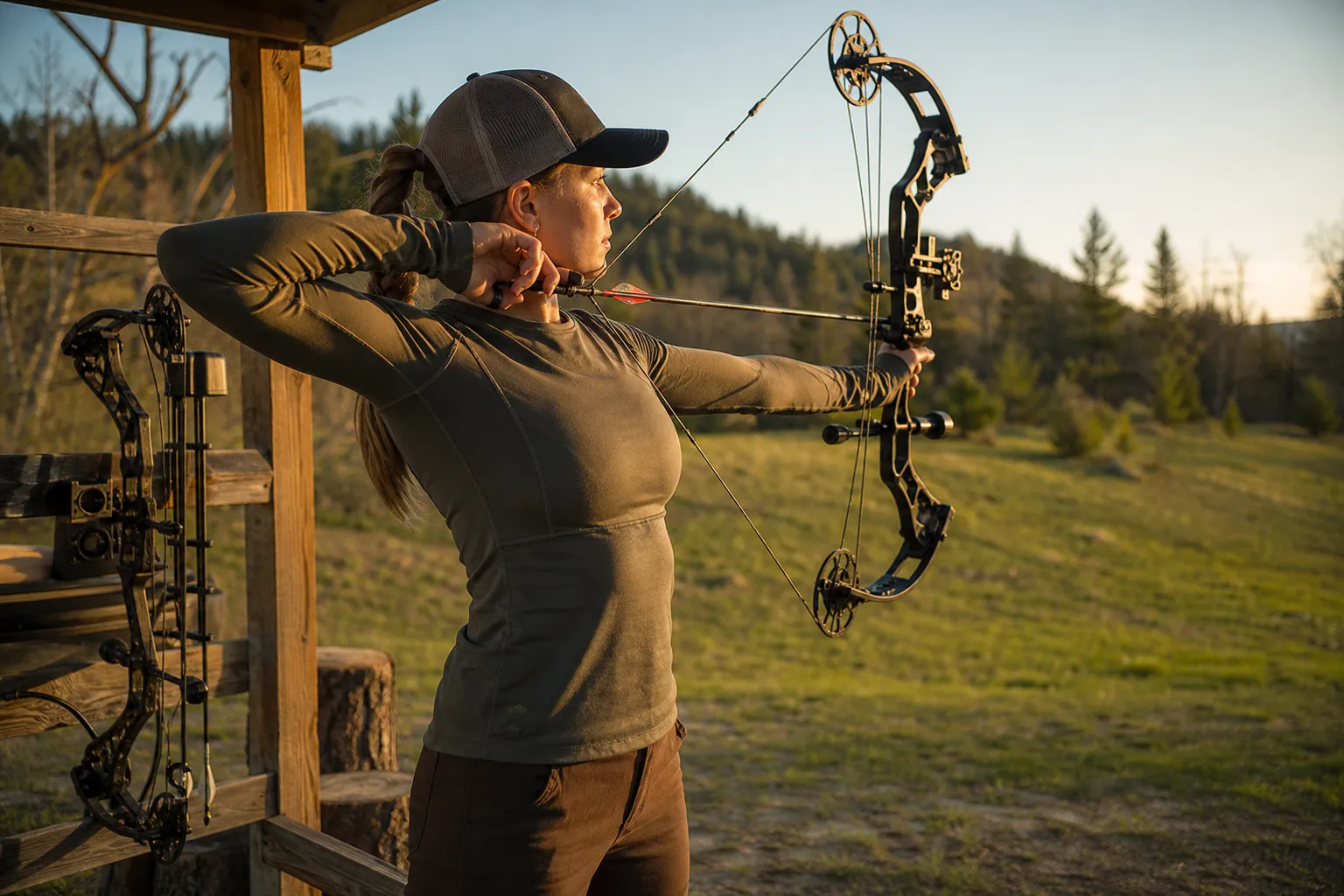
Draw length is how far you pull the bowstring for comfortable, proper shooting form, and the common at-home estimate is simple: measure your wingspan from middle fingertip to middle fingertip, then divide by 2.5. Treat that number as a starting point, not a final setting, because Archery 360 says draw length is one of the most important bow-fit measurements and even an inch too long or short can cause accuracy or injury problems. Sources: Archery 360, IHEA-USA.
What draw length means
Archery 360 defines draw length in practical terms as the distance you pull back the string for comfortable and proper shooting form. In plain English, it is the bow-fit number that helps match the bow to your body and shooting position. Source: Archery 360.
For compound bows, Archery 360 says draw length is measured from the nocking point to the deepest part of the grip, then 1 3/4 inches are added. Hoyt describes ATA Standard Draw Length the same way: measure draw length to the pivot point, which is the distance from the string nock point to a vertical line through the grip pivot point, and add 1 3/4 inches. Hoyt says that 1 3/4 inch addition represents the average distance from the far side of the bow to the grip pivot point. Sources: Archery 360, Hoyt glossary.
The number printed or specified for a bow can still be worth confirming. Archery 360 says the best way to confirm a bow’s draw length is to take it to a technician at an archery shop. Source: Archery 360.
How to estimate your draw length with the wingspan method
The common beginner method is the wingspan method. Archery 360 says to stand relaxed, raise your arms into a T position, and have someone measure from the tip of one middle finger, across your back, to the tip of the other middle finger. Then divide that number by 2.5. Source: Archery 360.
IHEA-USA bowhunter education standards use the same starting calculation: measure the hunter’s greatest wingspan from fingertip to fingertip and divide by 2.5 to give the hunter a good starting point. Source: IHEA-USA Bowhunter Education Standards.
Wingspan estimate example
Use this formula:
| Measurement | Calculation | Estimated draw length | |, -|, -:|, -:| | 70 inch wingspan | 70 ÷ 2.5 | 28 inches | | 67.5 inch wingspan | 67.5 ÷ 2.5 | 27 inches | | 72.5 inch wingspan | 72.5 ÷ 2.5 | 29 inches |
This estimate is not the end of the process. Archery 360 says the result is a great starting point, but it is important to fine-tune. Source: Archery 360.
Fine-tuning the estimate
Archery 360 gives several fit signs to watch at full draw. If your bow-arm elbow is bent at full draw, you may need a slightly longer draw length. If that elbow is hyperextended, the draw length probably needs to be shortened. Source: Archery 360.
For a compound bow at the correct draw length, Archery 360 says the string should rest on the corner of the mouth and the tip of the nose at full draw. That is a useful check because the string stopping in the wrong place can be a sign that the setting needs attention. Source: Archery 360.
IHEA-USA says correct draw length enables correct form and improves accuracy and consistency. Archery 360 also says correct draw length supports proper form, while a draw length even an inch too long or short can cause problems ranging from decreased accuracy to injury. Sources: IHEA-USA, Archery 360.
How a shop or technician measures draw length
Archery 360 says the best way to confirm draw length is to take the bow to a technician at an archery shop. A technician might use a draw board, which has measurements marked on the board and a system to draw the bow safely for an accurate measurement. A technician might also use an arrow with measurements written on it. Source: Archery 360.
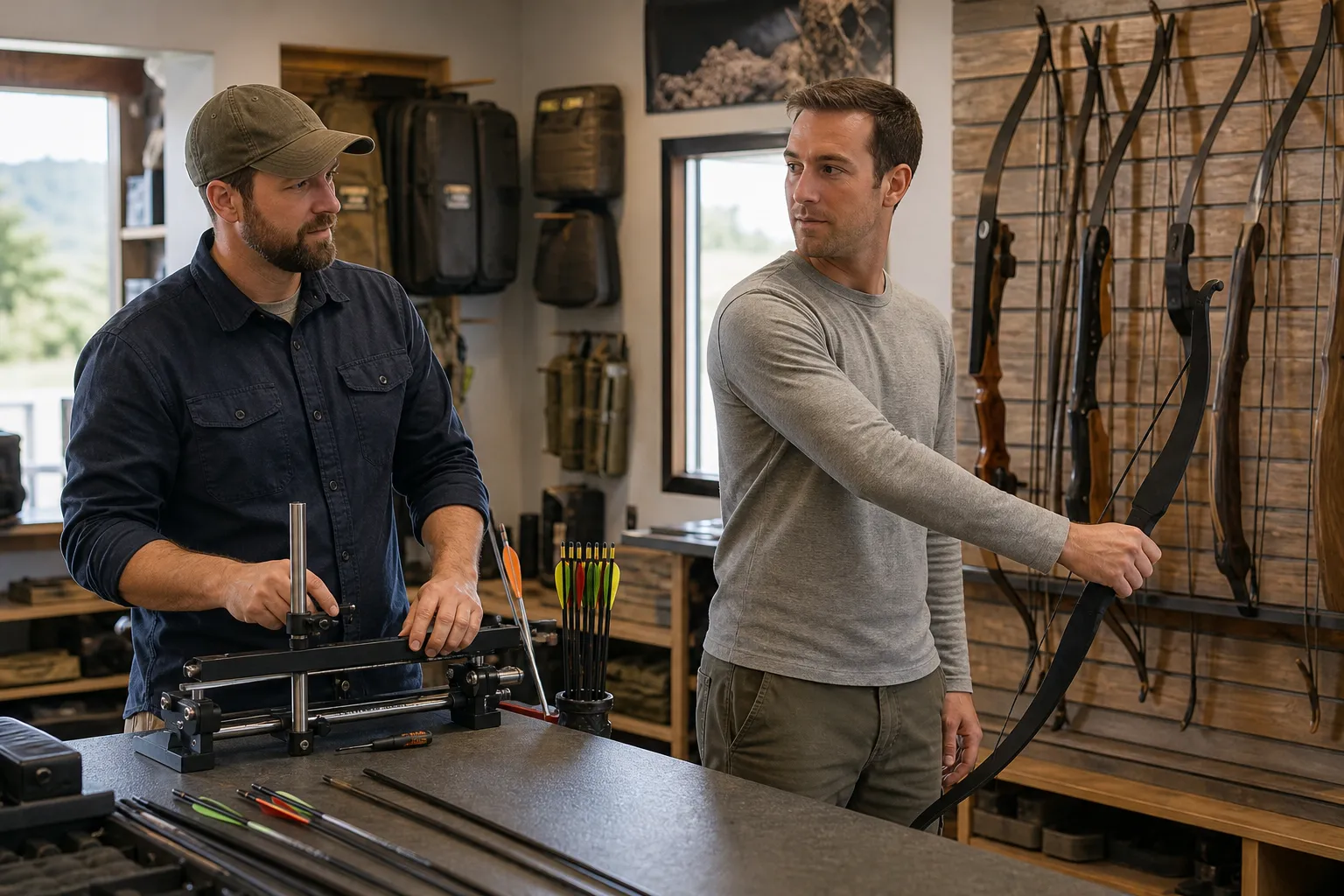
Archery 360 also recommends that beginners have an archery shop employee measure draw length and draw weight before picking a bow. The same article says knowing draw weight and draw length is crucial to knowing what kinds of bows will fit best. Source: Archery 360.
For Mathews bows, the manufacturer tells customers to contact an authorized Mathews retailer for draw length adjustment. Source: Mathews FAQ.
Compound bow draw length
Compound bows make draw length especially important because Archery 360 says they have a mechanical stop set to a specific draw length. Source: Archery 360.
Archery 360 says a compound bow’s cams determine draw length. Most new bows use modular systems that are relatively easy to adjust with draw-length-specific modules or a single module with multiple settings. Some beginner or youth compound bows have highly adjustable cams that allow a wide range of draw lengths and weights. Source: Archery 360.
Before buying a compound bow, Archery 360 recommends knowing your draw length, particularly because a few models cannot be adjusted. This is one reason the wingspan method is only a starting estimate, and why a shop measurement can prevent a poor fit. Source: Archery 360.
Traditional bows, recurves and longbows
Traditional and recurve bow fit is different because there is not the same compound-style mechanical stop in the facts provided here. The draw weight marked on limbs is commonly tied to a standard draw length.
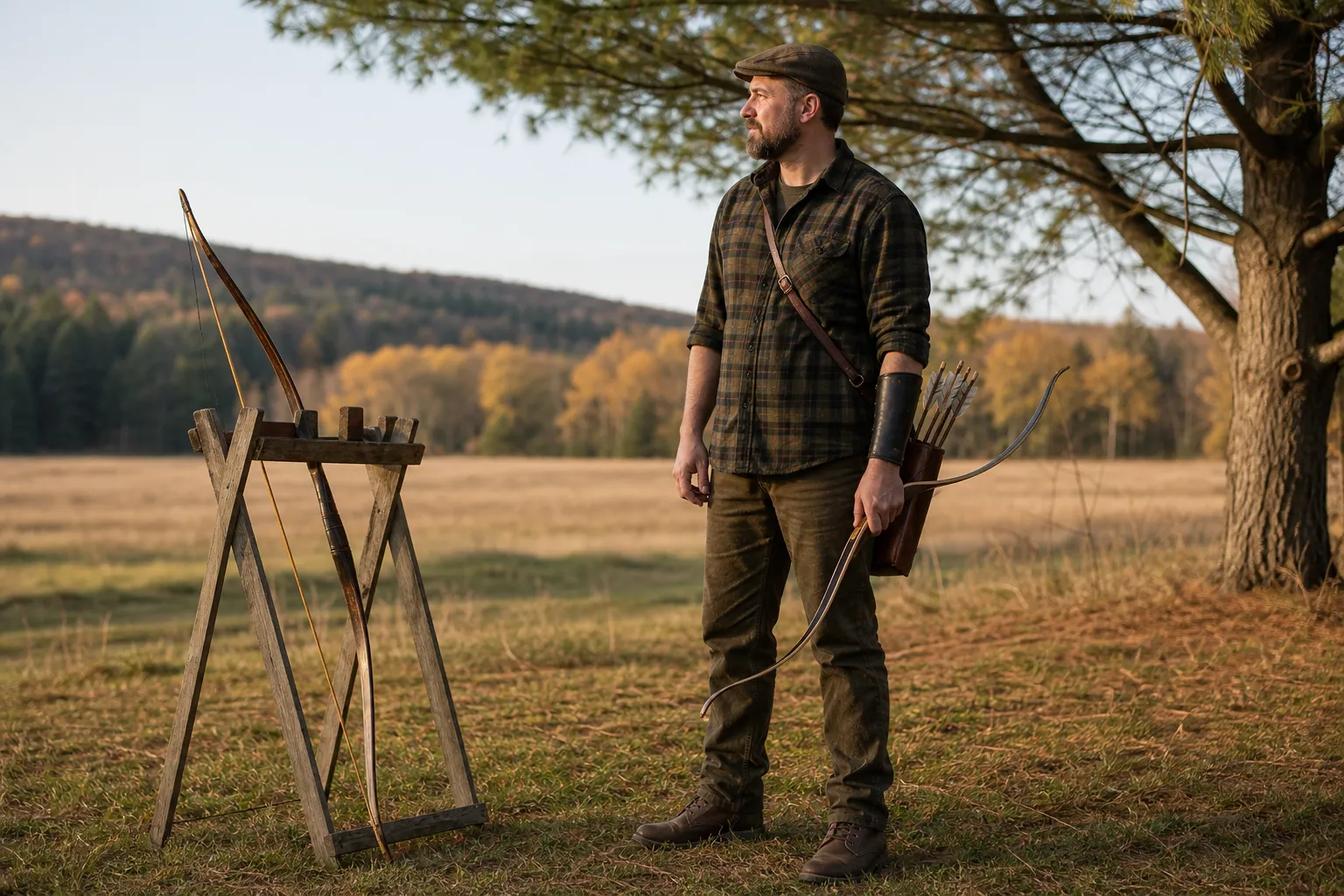
For ILF recurve limbs, Archery 360 says most manufacturers use a 25 inch riser and measure limb draw weight at a 28 inch draw length. Hoyt’s recurve manual states that the weight marked on the limb is measured at a 28 inch ATA draw length, and it explains that as 26 1/4 inches to the grip throat plus 1 3/4 inches. Sources: Archery 360, Hoyt recurve manual.
That means the actual holding weight changes when the archer draws shorter or longer than the standard reference length. For ILF limbs, Archery 360 gives a general rule that draw weight changes about 2 pounds per inch over or under 28 inches, including gaining about 2 pounds for every inch drawn past 28 inches. Source: Archery 360.
How draw weight relates to draw length
Draw length and draw weight are separate measurements, but both matter for bow fit. Archery 360 says beginners should have both measured before picking a bow, and that knowing both is crucial to knowing what bows will fit best. Source: Archery 360.
On ILF recurve limbs, draw weight is commonly measured at 28 inches, so drawing shorter or longer changes the actual holding weight according to Archery 360’s general rule. On Mathews compound bows, Mathews says its bows have approximately a 10 pound range of weight reduction from the bow’s peak weight, giving the example that a 70 pound peak bow can be adjusted as low as 60 pounds. Sources: Archery 360, Mathews FAQ.
Why the right draw length matters
The right draw length supports proper form, comfort, accuracy and consistency. IHEA-USA says correct draw length enables correct form and improves accuracy and consistency. Archery 360 says a draw length even an inch too long or short can cause problems ranging from decreased accuracy to injury. Sources: IHEA-USA, Archery 360.
Draw length also affects arrows. Archery 360 says draw length determines arrow length and can even affect the spine of the arrow you should be using. Archery 360 also warns that draw length and arrow length are related, but not the same measurement. Sources: Archery 360 on draw length, Archery 360 on arrow length.
Arrow length matters for other reasons, too. Archery 360 says very short arrows can create clearance problems with broadheads. Source: Archery 360.
Quick checklist
Use this as a fit-starting checklist:
- Measure wingspan from middle fingertip to middle fingertip while standing relaxed in a T position.
- Divide wingspan by 2.5 for a starting estimate.
- Fine-tune by checking full-draw form, including bow-arm elbow position and string contact at the corner of the mouth and tip of the nose for compound bows.
- Before buying a bow, have an archery shop measure draw length and draw weight.
- If you change draw length, check arrow length and whether arrow spine may need attention.
What to confirm before you buy or change equipment
Confirm your actual draw length, draw weight and arrow setup with the bow manufacturer’s instructions or an archery shop technician. This is especially important for compound bows because cams and modules commonly determine draw length, some models have different adjustment systems, and at least some manufacturers, including Mathews, direct owners to an authorized retailer for draw length adjustment.
Frequently asked questions
How do I measure draw length at home?
Use the wingspan method as a starting estimate. Stand relaxed in a T position, measure from the tip of one middle finger to the other, then divide by 2.5. Archery 360 and IHEA-USA both describe this as a starting point, not a final fit measurement.
What is ATA draw length on a compound bow?
Hoyt describes ATA Standard Draw Length as the draw length to the grip pivot point plus 1 3/4 inches. Archery 360 similarly says compound bow draw length is measured from the nocking point to the deepest part of the grip, then 1 3/4 inches are added.
Is draw length the same as arrow length?
No. Archery 360 says draw length and arrow length are related, but not the same measurement.
Why does draw length matter?
IHEA-USA says correct draw length enables correct form and improves accuracy and consistency. Archery 360 says a draw length even an inch too long or short can cause problems ranging from decreased accuracy to injury.
How does draw length affect draw weight on a recurve?
For ILF recurve limbs, Archery 360 says most manufacturers measure limb draw weight at a 28 inch draw length. As a general rule for ILF limbs, Archery 360 says draw weight changes about 2 pounds per inch over or under 28 inches.
Should a beginner measure draw length before buying a bow?
Yes. Archery 360 recommends that beginners have an archery shop employee measure draw length and draw weight before picking a bow, because knowing both is crucial to knowing what bows will fit best.
Sources
- Become a Certified Archery Coach, USA ArcheryOfficial source. Accessed October 20, 2026.
- Archery Lingo: Draw Length, Archery 360. Accessed October 20, 2026.
- Selecting the Right Bow for You, Archery 360. Accessed October 20, 2026.
- All About ILF Bows, Archery 360. Accessed October 20, 2026.
- Archery Lingo: Arrow Length, Archery 360. Accessed October 20, 2026.
- What Questions Do I Need to Ask an Archery Shop Employee?, Archery 360. Accessed October 20, 2026.
- Glossary, Hoyt ArcheryOfficial source. Accessed October 20, 2026.
- Hoyt Recurve Owner's Manual PDF, Hoyt ArcheryOfficial source. Accessed October 20, 2026.
- FAQ, Mathews ArcheryOfficial source. Accessed October 20, 2026.
- 2018 Target Catalog, Arrow Selection, Easton ArcheryOfficial source. Accessed October 20, 2026.
- IHEA-USA Bowhunter Education Standards, International Hunter Education Association U.S.A.Official source. Accessed October 20, 2026.