What Do Foxes Eat? Diet of Red and Gray Foxes
Red and gray foxes are opportunistic omnivores. Their diets shift with season and place, from small mammals and birds to insects, fruit, plant foods and carrion.
By RaiS. Reviewed by RaiS. Published . 7 min read.
Research and drafting were assisted by AI. RaiS checked the facts against the sources below and approved this page.
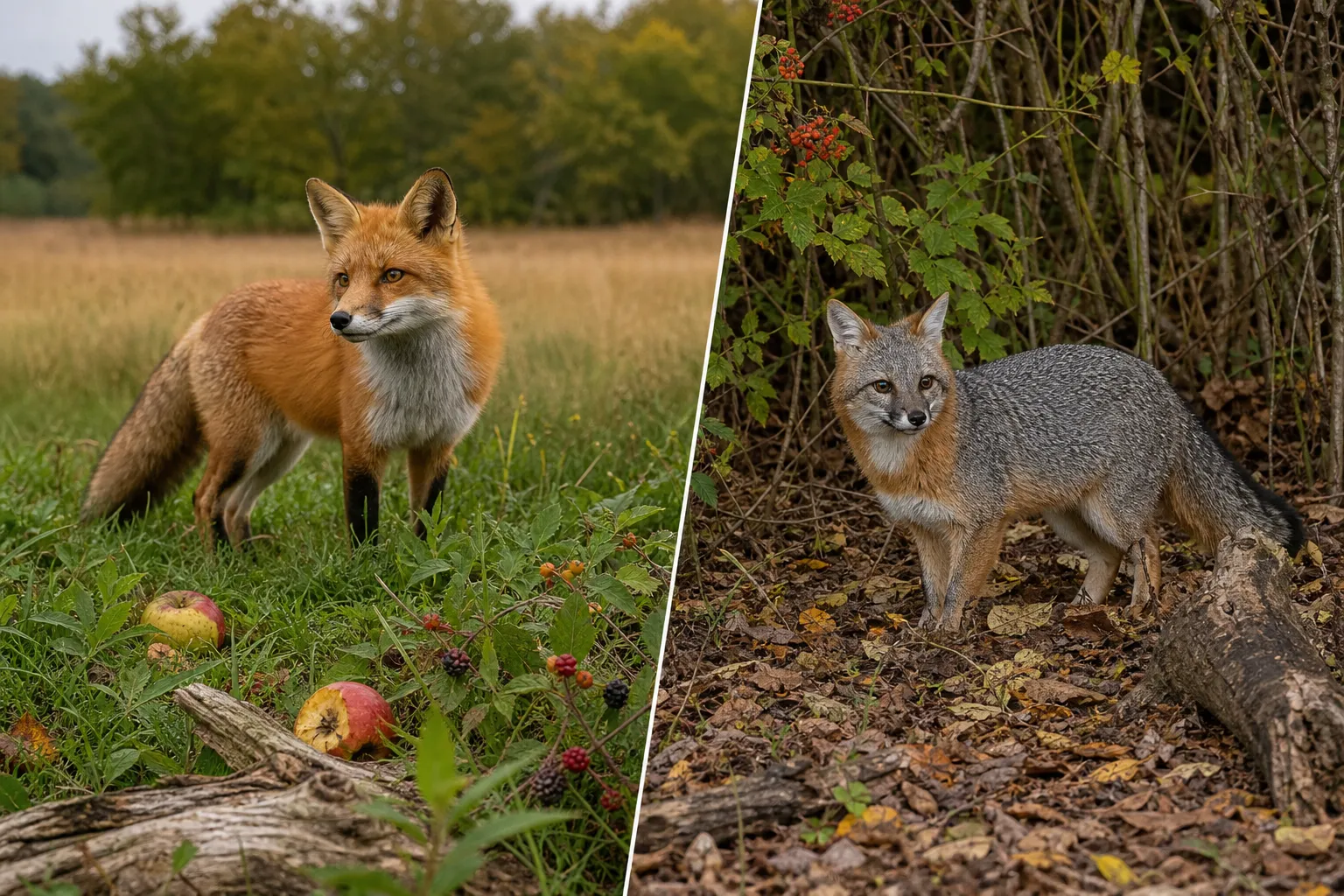
Red and gray foxes eat a mixed diet of animal and plant foods. Rutgers Cooperative Extension describes red foxes as omnivores, and the U.S. Forest Service describes gray foxes as omnivorous, opportunistic feeders. In plain terms, both species take what is available: voles, mice, rabbits, squirrels, birds, eggs, insects, fruit, vegetation and carrion.
Season matters. The U.S. Forest Service says red fox diet generally shifts from mostly animal matter in winter to more insects and fruit in summer and fall. Ontario’s gray fox recovery strategy says gray fox diet also changes with season and geography, with rabbits and other small mammals dominating winter diet, insects becoming most important in summer, and fruit especially important in fall.
Quick answer: common fox foods
The Pennsylvania Game Commission says red and gray foxes eat foods such as mice, rabbits, insects, birds, eggs, fruit and grasses. It also notes that foxes scavenge road-killed animals and winter kills.
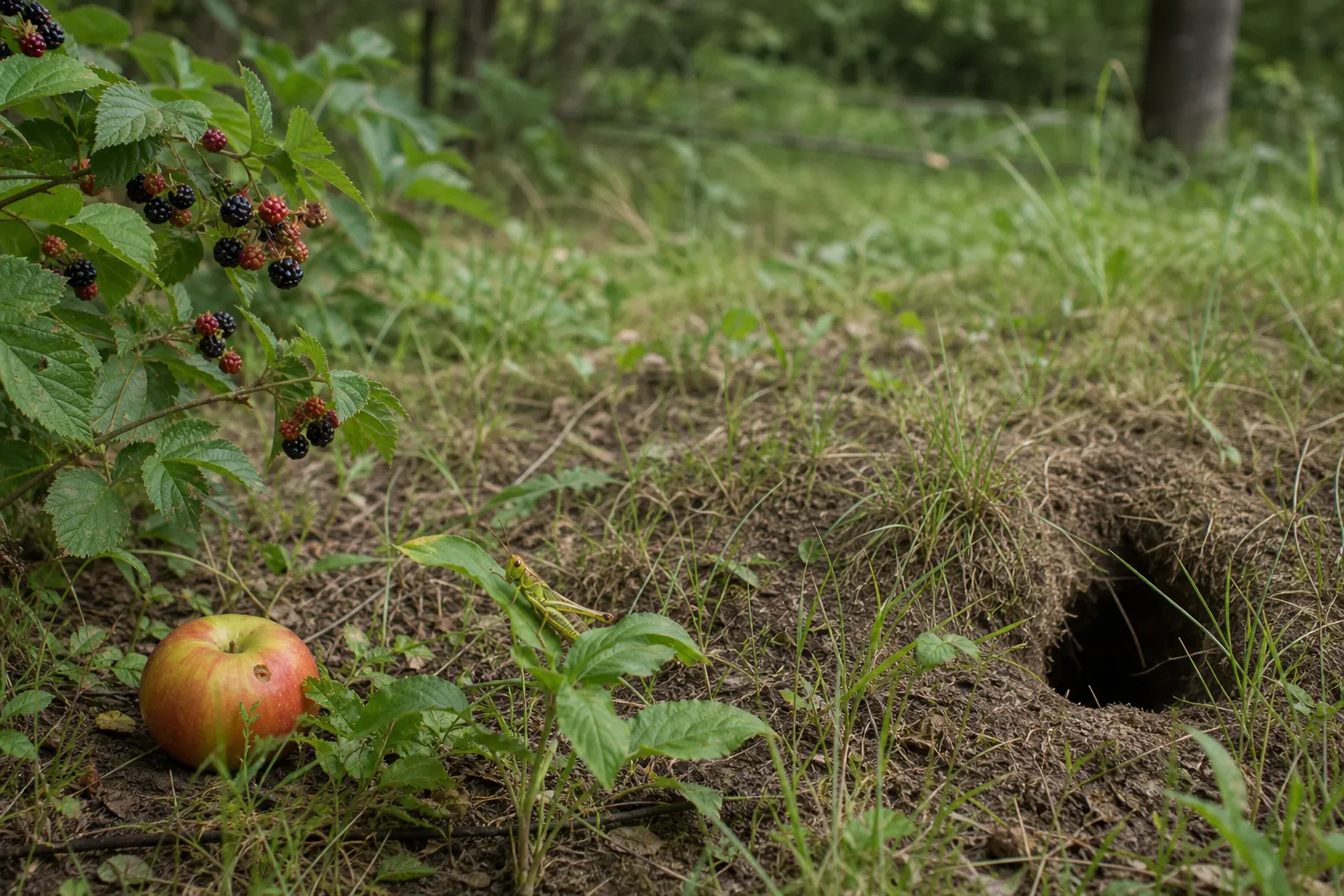
Common foods listed by wildlife agencies and university references include:
| Food type | Examples |
|---|---|
| Small mammals | Voles, mice, rats, rabbits, squirrels, woodchucks, groundhogs |
| Birds and eggs | Birds, ground-nesting birds, bird eggs, reptile eggs |
| Invertebrates | Grasshoppers, beetles, butterflies, moths and other insects |
| Fruit and plant foods | Berries, apples, pears, grapes, corn, wheat, grains, nuts, grasses and seeds |
| Carrion | Road-killed animals, winter kills and other carrion taken opportunistically |
| Human-associated foods | Scavenged foods when available, including foods around people in some settings |
That list does not mean every fox eats all of those foods every week. Animal Diversity Web says gray fox foods vary with location, season and resource availability, and Rutgers Cooperative Extension says red fox diet varies significantly across seasons.
Red fox diet by season
Red fox diet is often described around small mammals, especially during the colder part of the year. The U.S. Forest Service lists small mammals, birds, fruits and insects as the bulk of red fox diet, and says red foxes commonly eat voles, mice, woodchucks and lagomorphs such as cottontails and hares.
Winter
In winter, red foxes rely heavily on animal food. The U.S. Forest Service says red fox diet is mostly animal matter in winter, and the National Park Service says small mammals make up the bulk of the red fox diet for most of the year in Alaska parks.
Voles and mice are especially important where they are common. The U.S. Forest Service notes that meadow voles have been reported as a major red fox prey item through much of the year in Ontario. Rutgers Cooperative Extension also lists voles, groundhogs, rabbits and birds among red fox foods.
Carrion can become part of the diet when available. The Pennsylvania Game Commission says foxes feed on road-killed animals and winter kills.
Spring, summer and fall
As warm-season foods become available, red foxes broaden the menu. The U.S. Forest Service says red fox diet generally shifts from mostly animal matter in winter to insects and fruit in summer and fall.
Fruit can be important. Rutgers Cooperative Extension says fruit can make up a significant portion of the red fox diet when available. The U.S. Forest Service lists plant foods such as berries, pears, apples, grapes, corn, wheat and other grains. The National Park Service says red foxes eat berries when available, including blueberries and crowberries in Alaska.
Small mammals do not disappear from the menu in warm months. Red foxes remain opportunistic, so mice, voles, rabbits, birds, insects and fruit may all be used as local conditions change.
Gray fox diet by season
Gray foxes are also omnivores, but agency summaries often emphasize how broad their diet can be. The U.S. Forest Service describes common gray foxes as opportunistic omnivores that mainly prey on small mammals, with fruit and invertebrates making up substantial parts of the diet.
Winter
Ontario’s gray fox recovery strategy says rabbits and other small mammals dominate the gray fox winter diet. The U.S. Forest Service review also says cottontails formed the major part of common gray fox winter diet in the central United States.
Florida Fish and Wildlife Conservation Commission lists mice, rats and rabbits as mainstays of gray fox diet. Carrion may also be used. The U.S. Forest Service says gray foxes eat carrion opportunistically.
Spring through fall
From spring into fall, gray foxes make more use of insects, fruit, seeds and other plant foods as these become available. Ontario’s gray fox recovery strategy says insects are most important in summer and fruit is important year-round, especially in fall.
The U.S. Forest Service says gray foxes eat invertebrates such as grasshoppers, beetles, butterflies and moths, and that their diets can include fruit, nuts, grains and grasses. Florida Fish and Wildlife Conservation Commission says gray foxes supplement their diet with small birds, reptiles, amphibians, fish, fruits, berries, insects and some carrion.
Animal Diversity Web says gray fox summer and autumn diets may be dominated by invertebrates, especially orthopterans. In everyday language, that means insects related to grasshoppers and crickets can matter a lot in the warm season.
How foxes hunt and handle food
Red foxes are known for locating small prey by smell, sight and sound. The National Park Service says red foxes hunt by smell, sight and sound, and University of Wisconsin Extension says red foxes are generally solitary hunters that use acute hearing to locate prey.
Rutgers Cooperative Extension says red foxes can detect hidden prey under cover such as leaf litter, vegetation or snow.
Gray fox foraging is shaped by habitat and climbing ability. The Pennsylvania Game Commission says gray foxes can climb trees, unlike most canids, and Florida Fish and Wildlife Conservation Commission also notes that gray foxes are among the few canids capable of climbing trees. That ability lets gray foxes forage in places most canids cannot use as easily, including shrubs and trees as well as the ground.
Foxes also store food. The Pennsylvania Game Commission says both red and gray foxes cache uneaten food by burying it. University of Wisconsin Extension says foxes sometimes cache food under dirt and leaves, especially in winter when food is less available. Animal Diversity Web says red foxes store food and relocate caches.
Red fox vs gray fox foraging
Red and gray foxes overlap in diet, but habitat and behavior can change what each one eats. The Pennsylvania Game Commission says diets of red and gray foxes are broadly similar, while also contrasting their habitat use: red foxes generally favor rolling farm areas, while gray foxes are more often associated with brushy, swampy or rugged terrain.
That habitat difference helps explain the foraging difference. Red foxes are often described around small mammals in fields and farm country, along with seasonal fruit and insects. Gray foxes are often described as especially omnivorous, with substantial use of fruit, seeds and insects in warm seasons and rabbits or other small mammals in winter.
The climbing difference is also important. The gray fox can climb trees, according to the Pennsylvania Game Commission and Florida Fish and Wildlife Conservation Commission. That does not make fruit or insects exclusive to gray foxes, but it does mark gray foxes as a more tree-capable canid than most.
For a broader look at canid identification and behavior, see our Coyote vs Fox comparison.
Poultry, pets and backyard observations
Poultry and pet interactions are possible, but they are not the main diet story. Most agency diet summaries emphasize natural prey, insects, fruit, plant foods and carrion.
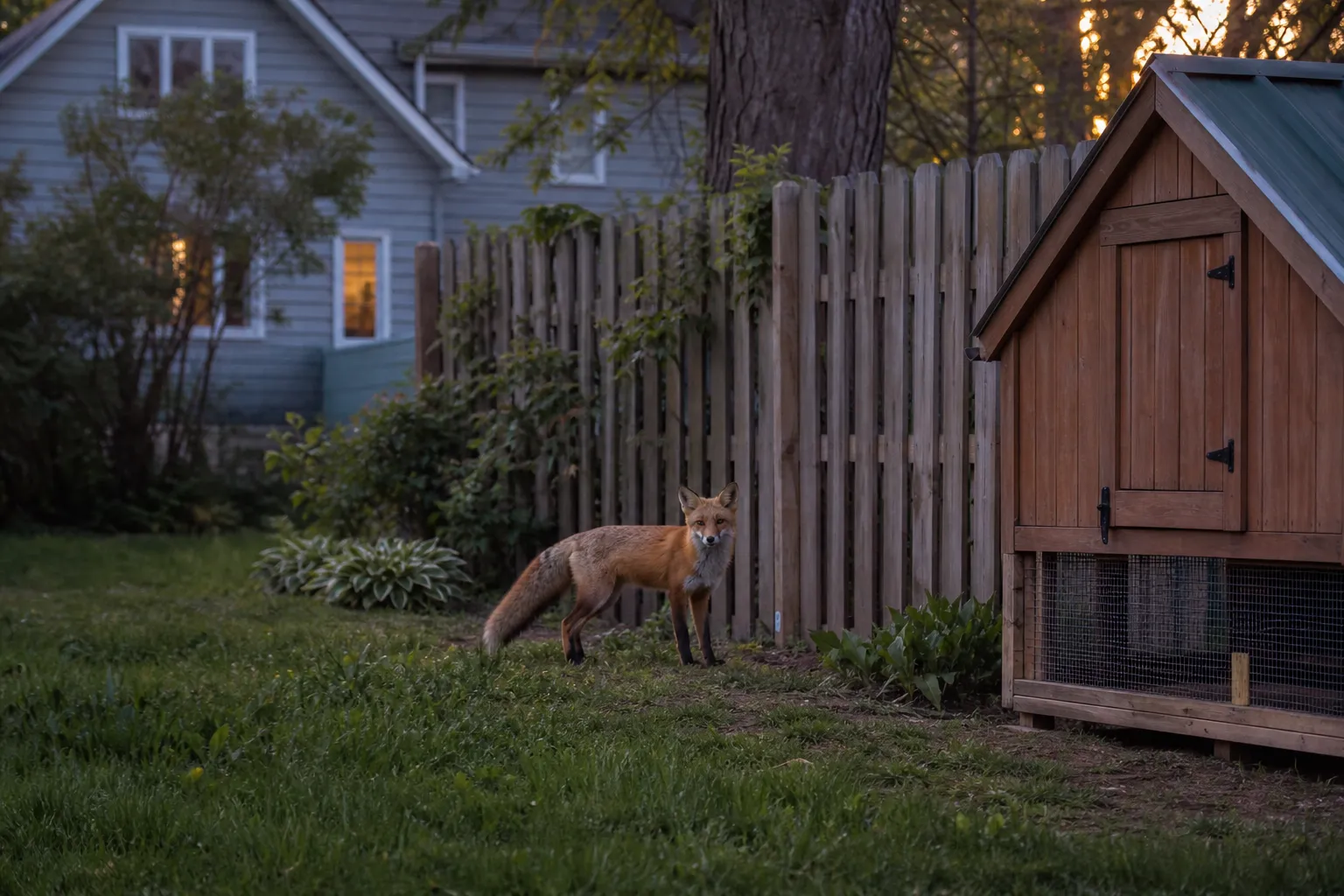
Rutgers Cooperative Extension says red foxes may prey on poultry and rabbits in agricultural settings. It also says habituated red foxes may prey on small domestic animals such as cats, small dogs, chickens and rabbits. Animal Diversity Web says red foxes generally hunt natural prey, but individual foxes may learn to target domestic birds.
Gray fox diet can also include domestic birds in some circumstances. Animal Diversity Web lists birds, including poultry, among less common gray fox foods, along with squirrels, opossum and deer carrion.
For backyard observers, the key natural-history point is that foxes are flexible feeders. A fox seen near a yard is not automatically there for poultry or pets, but individual animals can learn to use domestic food sources where those opportunities exist.
Why fox diet changes so much
Fox diet changes because food availability changes. Rutgers Cooperative Extension says red fox diet varies significantly across seasons. Ontario’s gray fox recovery strategy says gray fox diet depends on both season and geography.
A snowy winter landscape may make small mammals, rabbits and carrion especially important. A late-summer or fall landscape with insects and fruit can support a very different diet. Even within the same species, a fox in one region may eat a different mix than a fox in another region.
That is why the best answer to “what do foxes eat?” is not one food, but a pattern: red and gray foxes are opportunistic omnivores. They hunt, scavenge and forage, then shift with the season and with whatever local food is available.
What to check with official sources
For identification, biology and local natural-history information, check your state, provincial or national wildlife agency. If your question involves domestic animals, nuisance wildlife, hunting seasons or any handling of wildlife, confirm current guidance directly with the responsible agency for your location.
Frequently asked questions
Are foxes carnivores or omnivores?
Red and gray foxes are omnivores. Rutgers Cooperative Extension describes red foxes as omnivorous, and the U.S. Forest Service describes gray foxes as omnivorous, opportunistic feeders.
What do red foxes eat in winter?
Red foxes rely heavily on animal food in winter. The U.S. Forest Service says their diet is mostly animal matter in winter, including small mammals such as voles, mice, woodchucks and lagomorphs such as cottontails and hares.
What do gray foxes eat in summer?
Ontario’s gray fox recovery strategy says insects are most important in summer, and Animal Diversity Web says gray fox summer and autumn diets may be dominated by invertebrates. Gray foxes also eat fruit, seeds and other plant foods when available.
Do foxes bury food?
Yes. The Pennsylvania Game Commission says both red and gray foxes cache uneaten food by burying it. University of Wisconsin Extension says foxes sometimes cache food under dirt and leaves, especially in winter when food is less available.
Do foxes eat chickens or pets?
They can, but domestic animals are not the main diet story in most wildlife summaries. Rutgers Cooperative Extension says red foxes may prey on poultry and rabbits in agricultural settings, and habituated red foxes may prey on cats, small dogs, chickens and rabbits.
How is a gray fox diet different from a red fox diet?
Their diets overlap, but gray foxes are often described as especially omnivorous, with substantial fruit and insect use in warm seasons. The Pennsylvania Game Commission also notes that gray foxes can climb trees and are more often associated with brushy, swampy or rugged terrain than red foxes.
Sources
- Red Fox Ecology and Behavior, Rutgers Cooperative Extension. Accessed October 23, 2026.
- Vulpes vulpes, red fox, U.S. Forest Service Research and Development, Fire Effects Information SystemOfficial source. Accessed October 23, 2026.
- Red Fox, U.S. National Park ServiceOfficial source. Accessed October 23, 2026.
- Foxes, Pennsylvania Game CommissionOfficial source. Accessed October 23, 2026.
- Urocyon cinereoargenteus, common gray fox, U.S. Forest Service Research and Development, Fire Effects Information SystemOfficial source. Accessed October 23, 2026.
- Land Mammals: Gray Fox, Florida Fish and Wildlife Conservation CommissionOfficial source. Accessed October 23, 2026.
- Recovery Strategy for the Gray Fox (Urocyon cinereoargenteus) in Ontario, Ontario Ministry of the Environment, Conservation and ParksOfficial source. Accessed October 23, 2026.
- Vulpes vulpes, red fox, Animal Diversity Web, University of Michigan Museum of Zoology. Accessed October 23, 2026.
- Urocyon, gray foxes, Animal Diversity Web, University of Michigan Museum of Zoology. Accessed October 23, 2026.
- Fox and Coyote Ecology, University of Wisconsin Extension, Natural Resources Institute. Accessed October 23, 2026.
- Snapshot USA Complete Field Guide, Smithsonian eMammal. Accessed October 23, 2026.