What Is a 2011 Pistol? How It Differs from the 1911
A 2011 is best understood as a 1911-derived pistol architecture built around a separate frame and grip module, usually with a staggered double-stack magazine. Compared with a traditional single-stack 1911, it is typically wider in the grip, holds more ammunition, and is strongly associated with competition and modern duty-style pistols.
By RaiS. Reviewed by RaiS. Published . 6 min read.
Research and drafting were assisted by AI. RaiS checked the facts against the sources below and approved this page.
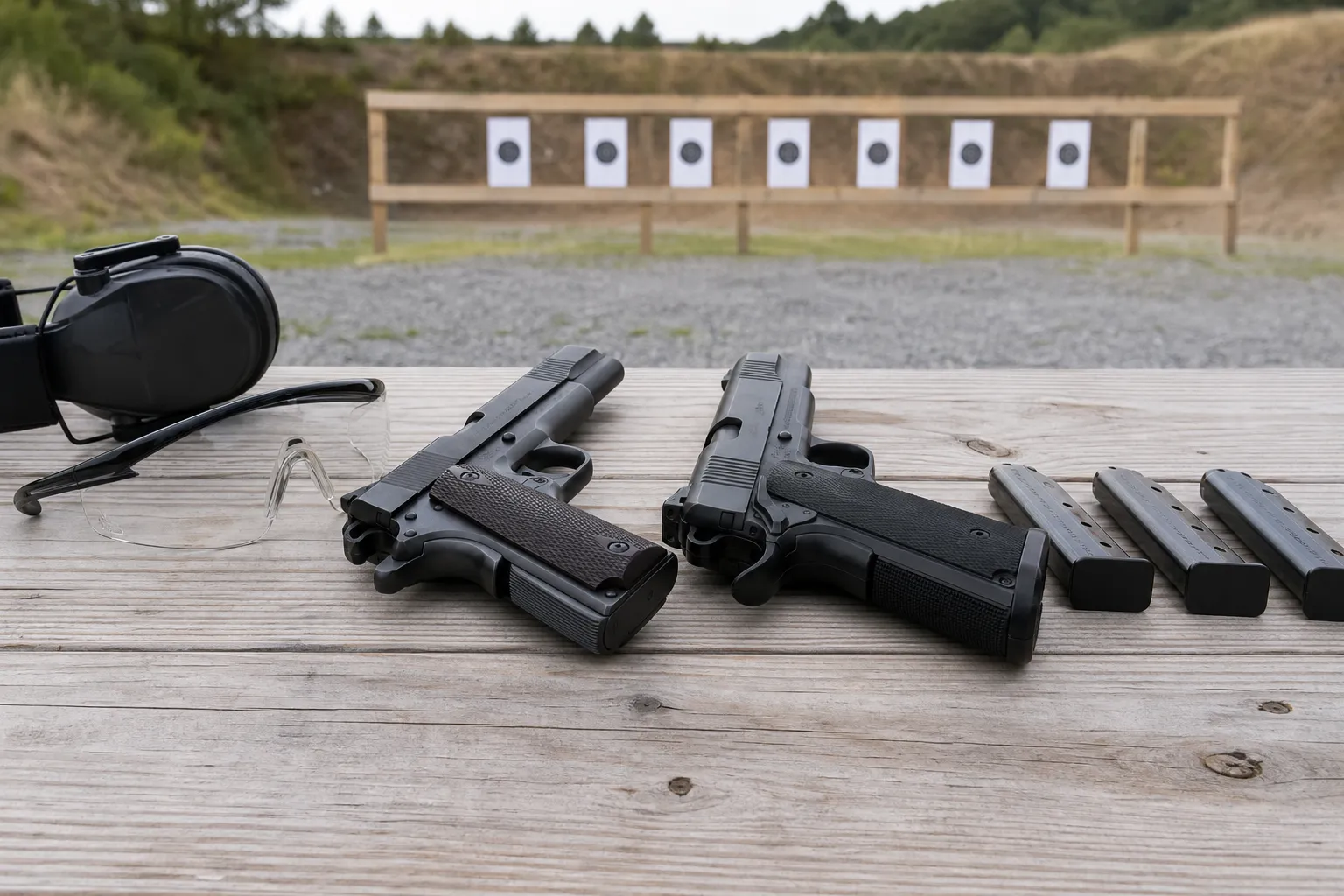
A 2011 pistol is a 1911-style handgun architecture that usually combines a 1911-type operating system with a separate frame and grip module, often arranged around a staggered double-stack magazine. Staccato describes the 2011 as its evolution of the 1911 platform, and shooters often use “2011” more broadly for modular, double-stack 1911-pattern pistols.
The short version: a 1911 is usually a single-stack pistol with a one-piece metal frame and grip panels. A 2011 is usually a wider, modular version with a separate grip structure and higher-capacity magazine. For a deeper background on the older design, see our 1911 Pistol guide.
What “2011” means
The term has two meanings that overlap.
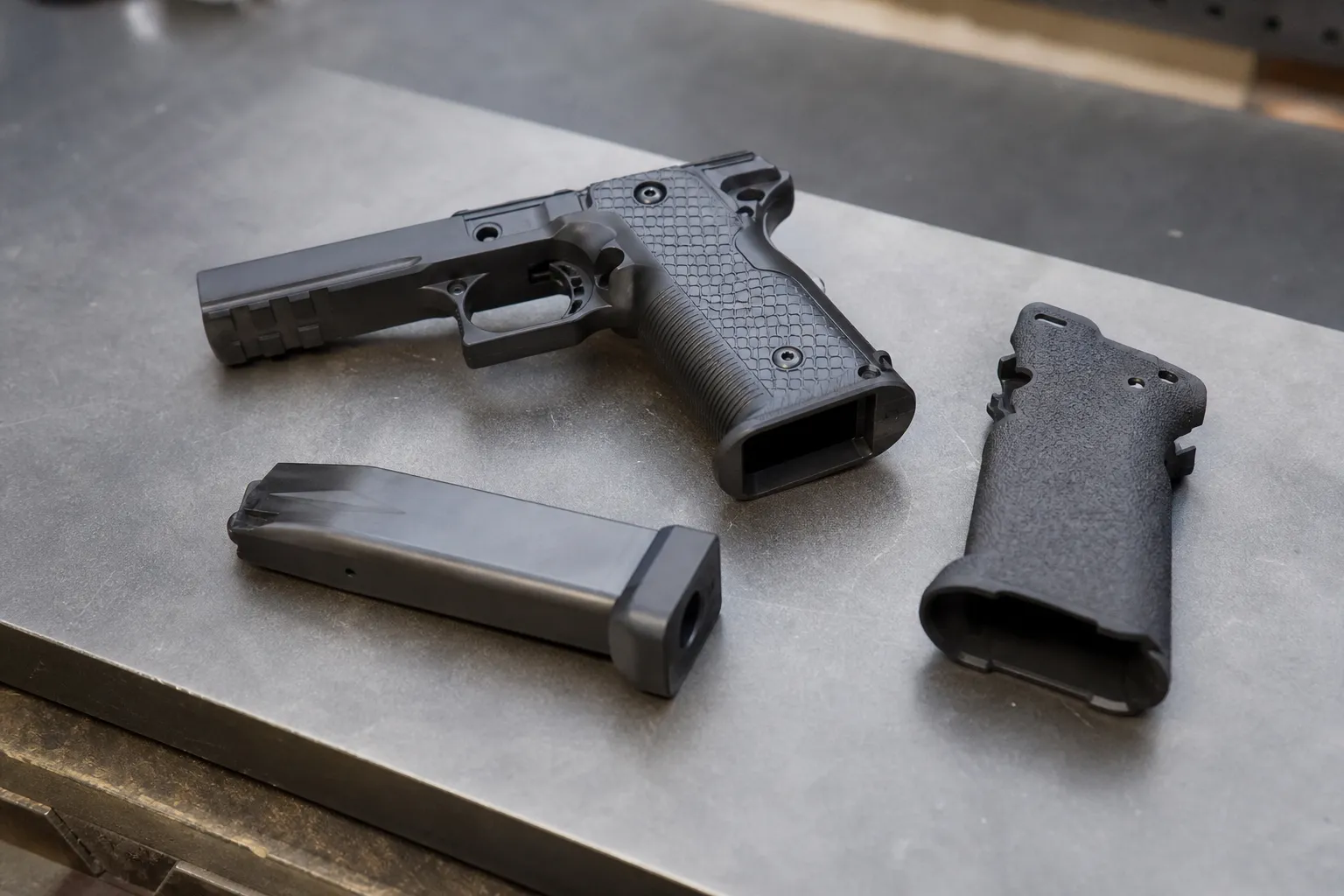
First, Staccato uses 2011 as the name for its 1911-derived pistol platform. Staccato says STI began advancing John Browning’s 1911 design more than 30 years ago, with goals including greater capacity, improved ergonomics, and competition-level performance.
Second, many shooters use “2011” as a category label for pistols that follow the same general idea: a 1911-pattern action paired with a modular frame and grip system, most often feeding from a wider, staggered magazine.
In ordinary range conversation, the word is often used descriptively for the broader architecture.
The core 2011 architecture
The important mechanical idea is not just that the pistol resembles a 1911. It is that the lower portion is split into a frame structure and a grip structure rather than being one conventional grip frame.
A Strayer and Tripp patent record for a “frame/handgrip assembly for autoloading handgun” names Sandy L. Strayer and Virgil P. Tripp as inventors. The patent describes an elongated gripless frame structure and a separate handgrip structure that are interconnected. It says the frame is preferably made from metal and the handgrip is preferably made from polymer, while allowing other materials.
That patent also explains the reason for the layout. It says the design facilitates enhanced cartridge capacity while keeping a handgrip with substantially the same external configuration and manual feel as a Government Model 1911 A1. It also says the frame and handgrip can receive large-capacity, staggered-row magazines, and that many standard 1911 A1 operating components can be received in the assembly.
In plain English, a 2011-style pistol keeps much of the 1911 idea, but changes the frame and magazine system. The grip can be a separate module, the magazine can be wider, and the pistol can hold more rounds than a classic single-stack 1911 pattern.
2011 vs 1911
The easiest way to compare them is by magazine, frame, and grip construction.
| Feature | Traditional 1911 pattern | 2011-style pattern |
|---|---|---|
| Magazine layout | Usually single-stack | Usually staggered double-stack |
| Frame and grip | Usually one-piece metal frame with separate grip panels | Separate frame and grip structure or module |
| Grip width | Usually slimmer | Usually wider to fit the staggered magazine |
| Competition treatment | IPSC Classic is written around a single-stack, classic 1911-genre design | Wider, higher-capacity pistols may fit different practical-shooting divisions |
A 2011-style pistol changes that capacity equation. Staccato’s P product page lists 9x19 mm with 17+1 or 20+1 capacity. Staccato’s XL page also lists 9x19 mm with 17+1 or 20+1 capacity. Staccato’s CS page lists 9x19 mm with 15+1 capacity and identifies a two-piece design using a polymer grip and metal frame assembly.
That does not mean every pistol marketed in this space is identical. The useful definition is architectural: 1911-derived controls and operating concept, modular frame and grip construction, and usually a staggered magazine.
Common calibers and current examples
Staccato lists the current P, XL, and CS examples here in 9x19 mm. Staccato lists the P in 9x19 mm, the XL in 9x19 mm, and the CS in 9x19 mm.
Those examples also show how the modern 2011 category has moved beyond the old image of a heavy, competition-only pistol. Staccato describes the P with a 4140 steel frame and a single-action pull. Staccato describes the CS with a polymer grip and metal frame assembly. Staccato positions the XL as a competition model, saying it has “hundreds of USPSA, 3-Gun, and Tactical Games” under its belt.
The most useful takeaway for a new buyer or shooter is simple: do not assume “2011” tells you the exact chambering. In the current Staccato examples listed here, 9x19 mm is common. In a broader sense, the architecture is about frame, grip, and magazine design rather than one cartridge.
Why 2011 pistols are popular in competition
The 2011 concept fits naturally with practical-shooting sports because it combines 1911-style controls with wider magazines.
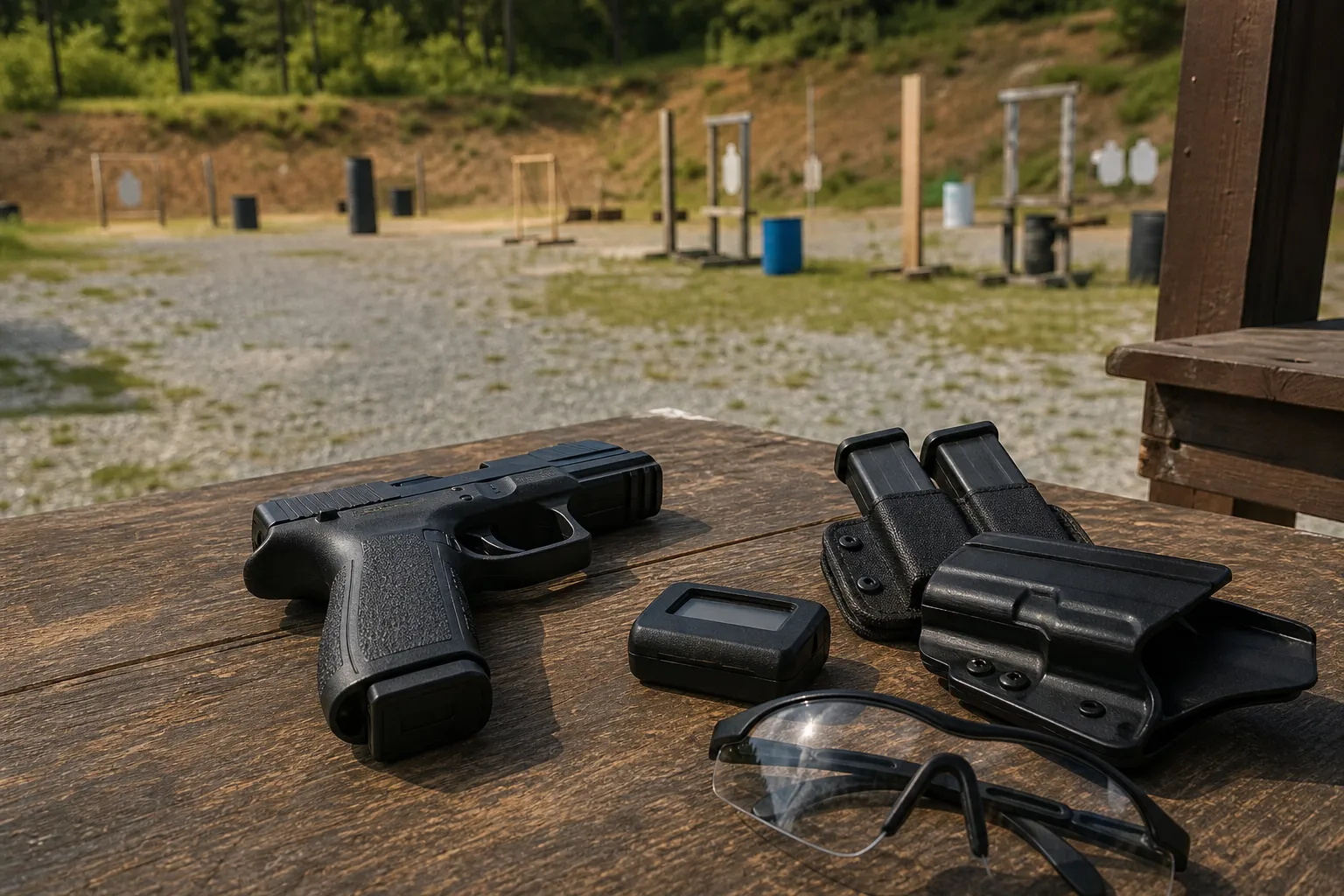
Staccato says the platform evolved from competition roots. Staccato’s platform page summarizes its performance goals as shootability, capacity, and control. Those goals line up with the features competitors often look for in practical pistol divisions: a good trigger system, fast handling, and enough magazine capacity to reduce reloads within the rules.
The rulebooks also help explain the separation between classic 1911s and wide-body 2011-style guns.
IPSC makes a similar distinction in its division structure. IPSC Classic Division requires a classic 1911-genre design, defined as a single-stack, one-piece metal frame.
That division split is one reason the terms matter. A pistol that feels 1911-like may not fit a division intended for traditional single-stack 1911 pistols.
Why 2011 pistols appear in duty and defense markets
Staccato says the 2011 platform moved from competition roots into a trusted choice for law enforcement, military, and personal-defense use. Staccato also says its current 2011 platform is approved by more than 2,000 law enforcement agencies across the country.
Those are manufacturer statements, not a universal claim that every 2011-style pistol is a duty pistol. The more careful point is that the architecture is no longer discussed only in the competition world. Current marketing and agency approval language place at least some 2011 pistols in the modern duty and personal-defense conversation.
For readers comparing a 2011 with a more traditional pistol, the practical questions are fit, training, magazine compatibility, holster compatibility, match rules, and local ownership requirements. The architecture may be familiar to 1911 shooters, but the wider grip and different magazine system change how the pistol carries, handles, and fits gear.
Safety and handling basics
Many 2011-style pistols are single-action designs. For example, Staccato’s P product page describes its trigger as a crisp and clean single-action pull. The STI owner’s manual says STI handguns have a mechanical grip safety and thumb safety device.
That means a shooter should learn the specific manual of arms for the exact pistol in hand. A 2011 may feel familiar to someone who knows the 1911, but it is not the same as every other handgun. The thumb safety, grip safety, trigger system, magazine release, slide stop, and takedown method should be learned from the manufacturer’s manual and reinforced with qualified instruction.
This guide is not a modification or gunsmithing guide. It does not cover tuning, fitting, parts swapping, trigger work, magazine alteration, or disabling any safety device.
Bottom line
A 2011 is best thought of as a 1911-derived, modular, higher-capacity pistol architecture. Staccato uses 2011 for its platform, while shooters often use the term more broadly for modular, double-stack 1911-pattern pistols.
Compared with a traditional 1911, the biggest differences are the separate frame and grip structure, the staggered magazine, the wider grip area, and the competition divisions in which the pistol may fit. Before buying, carrying, or competing with one, check the manufacturer’s current manual, the current match rulebook, and the official laws and regulations that apply where you live, travel, and shoot.
Frequently asked questions
Is a 2011 just a 1911 with a bigger magazine?
Not exactly. A 2011-style pistol is usually 1911-derived, but the key difference is the modular frame and grip structure paired with a staggered magazine. The Strayer and Tripp patent describes a gripless frame and separate handgrip structure that can accept large-capacity, staggered-row magazines.
Who originated the 2011 platform?
Staccato traces the platform through STI. A related patent record for a frame and handgrip assembly names Sandy L. Strayer and Virgil P. Tripp as inventors.
What caliber are 2011 pistols?
The current Staccato P, XL, and CS examples listed in this guide are chambered in 9x19 mm. The 2011 architecture is mainly about frame, grip, and magazine design, not one required cartridge.
How does a 2011 differ from a traditional 1911?
A traditional 1911 is usually a single-stack pistol with a one-piece metal frame. A 2011-style pistol usually has a separate grip module or structure and uses a wider, staggered magazine for higher capacity.
Are 2011 pistols used in competition?
Yes. Staccato says the platform has competition roots, and its XL model is positioned for competition use. Competition rules also help show why classic single-stack 1911s may be treated differently from wider modular pistols.
Do 2011 pistols have 1911-style safeties?
The STI owner’s manual says STI handguns have a mechanical grip safety and thumb safety device. Shooters should use the manual for their exact pistol and get qualified instruction on that model’s controls.
Sources
- Intro: What is the Staccato 2011 pistol platform?, Staccato 2011Official source. Accessed October 23, 2026.
- Our Story, Staccato 2011Official source. Accessed October 23, 2026.
- Discover Staccato 2011, Staccato 2011Official source. Accessed October 23, 2026.
- Staccato P, Staccato 2011Official source. Accessed October 23, 2026.
- Staccato CS Pistol, Staccato 2011Official source. Accessed October 23, 2026.
- Staccato XL, Staccato 2011Official source. Accessed October 23, 2026.
- US5293708A, Frame/handgrip assembly for autoloading handgun, Google Patents, patent data from patent offices. Accessed October 23, 2026.
- 20 11, Staccato 2011, LLC Trademark Registration, USPTO.report, based on public trademark data. Accessed October 23, 2026.
- USPSA Competition Rules, September 2026, United States Practical Shooting AssociationOfficial source. Accessed October 23, 2026.
- Handgun Classic Division, International Practical Shooting ConfederationOfficial source. Accessed October 23, 2026.
- Handgun Open Division, International Practical Shooting ConfederationOfficial source. Accessed October 23, 2026.
- Colt M1911 Navy Pistol, Naval History and Heritage CommandOfficial source. Accessed October 23, 2026.
- Colt WWII Reproduction Pistol Model M1911A1 Owner’s Manual, ColtOfficial source. Accessed October 23, 2026.
- Owner’s Manual, All STI 1911 and 2011 Firearms, STI InternationalOfficial source. Accessed October 23, 2026.