Flintlock Firearms: How the Lock Works and Why It Replaced the Matchlock
A flintlock is a muzzleloading ignition system that uses a flint striking steel to make sparks, ignite priming powder in a pan, and carry flame through a touch hole to the main charge. It improved on the matchlock by removing the constantly burning match, but percussion ignition later replaced flint, steel, and loose priming powder in many nineteenth-century arms.
By RaiS. Reviewed by RaiS. Published . 7 min read.
Research and drafting were assisted by AI. RaiS checked the facts against the sources below and approved this page.
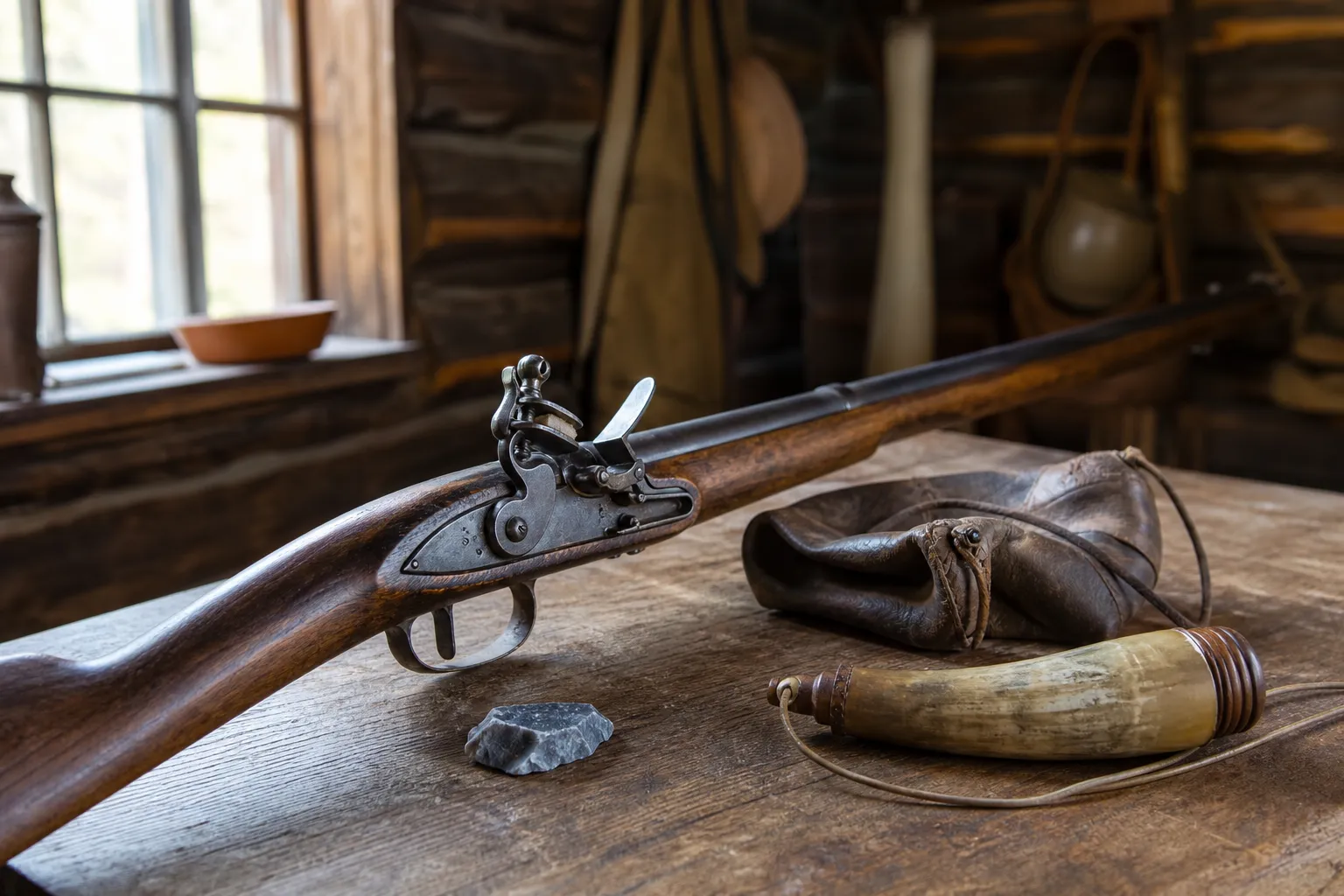
A flintlock is a muzzleloading firearm ignition system in which a piece of flint strikes steel to make sparks. Those sparks ignite priming powder in a small pan, and flame then passes through a touch hole into the barrel to ignite the main charge. In the history of firearms, the flintlock sits between earlier matchlocks and later percussion ignition, and it became important because it did not require a constantly burning match.
What a flintlock is
SAAMI defines a flint lock as a muzzleloading ignition system in which flint is secured to the hammer and strikes steel to create ignition sparks. In historical writing, that hammer is often called the cock. The National Park Service description from Fort Union identifies the cock as the part that holds the flint between jaws.
The key visible parts are the cock, flint, frizzen, pan, and touch hole. Together, they form the ignition system, which is the part of the gun that starts the firing process. This article describes that mechanism in historical terms, not as a loading, repair, or shooting guide.
A flintlock firearm is still a muzzleloader in the broad historical sense. The ignition system does not make it a modern cartridge arm. Instead, it belongs to the era when ignition began outside the barrel and had to travel into it through a small opening.
The main parts of the lock
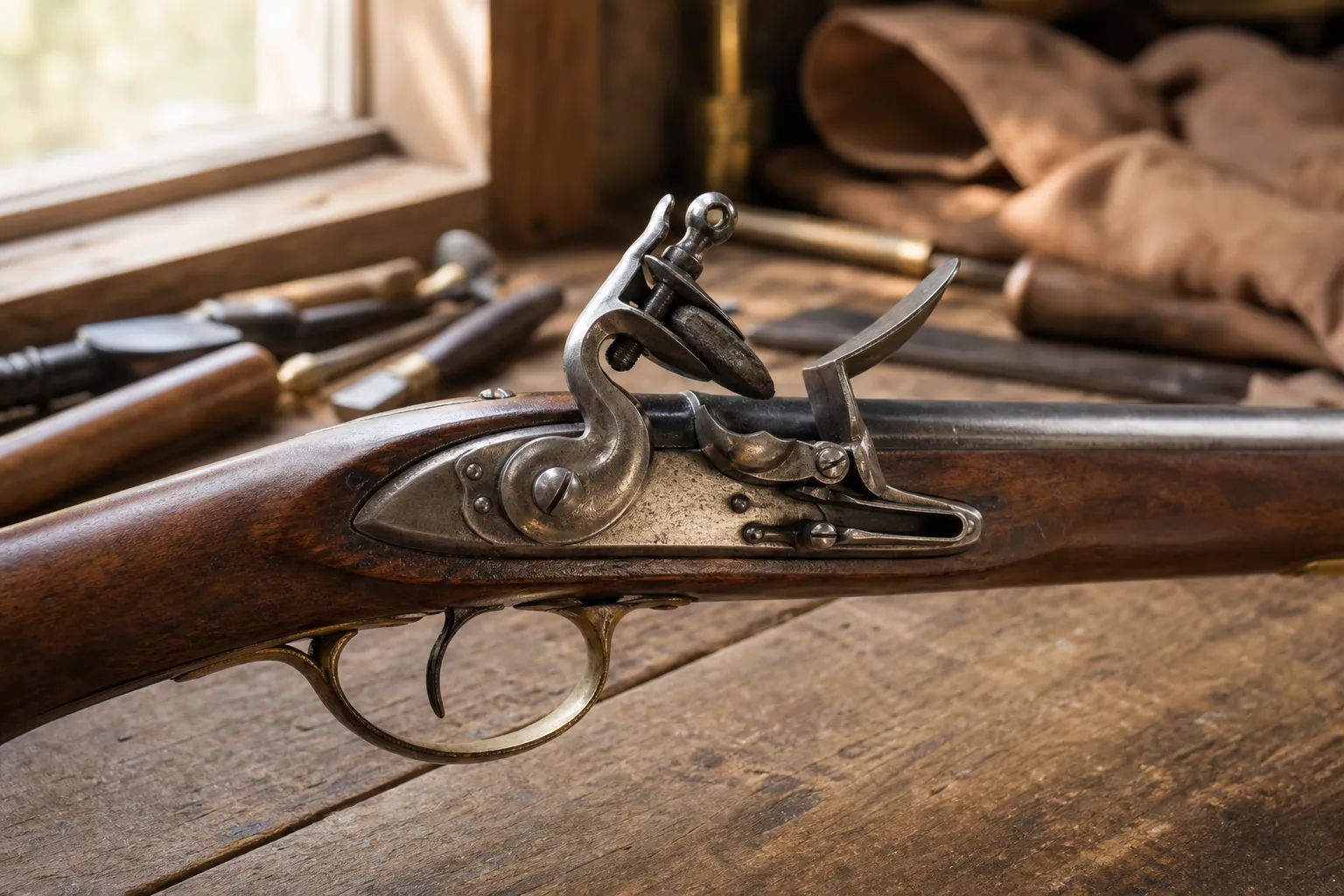
Cock and flint
The cock is the arm that holds the flint. The National Park Service describes the flint as being held between two jaws. When the lock is released, the cock carries the flint forward toward the steel striking surface.
This is why the piece of flint is more than just a stone in the mechanism. It is the part that creates sparks when driven against steel. Royal Armouries identifies gun flints from the wreck of the Earl of Abergavenny as items used for ignition in flintlock firearms, and notes that the ship carried more than 40,000 gunflints. That detail shows how important flint supply was for firearms that depended on this ignition system.
Frizzen
The frizzen is the steel part struck by the flint. The National Institute of Justice describes the frizzen as the feature that distinguishes the flintlock from the snaphaunce, an earlier flint ignition system. NIJ also explains that the frizzen combined the functions of a priming pan cover and an anvil in one unit.
That combined role mattered. The frizzen provided the steel surface for sparks and also covered the priming pan before the shot. In a simple mechanical sequence, the flint struck the frizzen, the frizzen moved, and the pan was exposed as sparks were produced.
Pan
The pan is the small trough beside the barrel where priming powder could be ignited. The National Park Service Fort Union article identifies it as a trough called a pan.
The pan was not the main powder chamber. It was part of the ignition path. The sparks created by the flint and steel started flame in the pan, then that flame had to reach the inside of the barrel.
Touch hole
The touch hole is the small opening that connects the pan area to the inside of the barrel. The National Park Service identifies it as a small hole in the barrel called a touchhole.
The touch hole was essential because the flintlock’s first flame began outside the barrel. Without that passage, the burning priming powder in the pan could not carry fire to the main charge.
The firing sequence in plain language
The sequence is easy to understand if you follow the path of fire. First, the cock holds the flint. When the lock is released, the flint moves forward and strikes the frizzen. The frizzen acts as the steel striking surface and pan cover.
The National Park Service Fort Scott weapons page describes the spark path as a shower of sparks falling into the pan. The same page describes the next step as fire passing through a small hole. That small hole is the touch hole, which carries the flame path into the barrel.
In plain order, the sequence is:
- The cock holds the flint.
- The flint strikes the frizzen.
- The strike creates sparks and exposes the pan.
- Sparks fall toward the priming pan.
- Flame passes through the touch hole.
- The main charge in the barrel is ignited.
This is why the flintlock is sometimes described as a spark ignition system. Its working parts had to create sparks, expose priming powder, and send flame through a small opening before the gun could fire.
Why flintlocks improved on matchlocks
The matchlock came earlier. The National Park Service Jamestown page describes the matchlock as using a matchcord held by a serpentine. In that system, a burning match was brought to the priming area by a mechanical arm.
That created obvious handling problems. The same National Park Service Jamestown page notes that matchlocks required caution because the lighted match was always close to the powder. A firearm that depends on a burning cord also depends on keeping that cord lit.
The flintlock removed the need for a constantly burning match. Instead of carrying fire to the pan on a matchcord, the lock made sparks only when its flint struck steel. The National Park Service Jamestown page states that the flintlock was developed in France in the early seventeenth century and characterizes it as more reliable than matchlock and wheel lock systems.
The frizzen also helped make the system more compact as an ignition unit. NIJ explains that it combined a pan cover and an anvil in one part. That means the steel for sparking and the cover over the priming pan were built into the same moving piece.
Limits of the flintlock
The flintlock was an important improvement, but it was not perfect. The National Park Service Palo Alto Battlefield page notes that misfires were common when using flintlock muskets. It gives examples that include weather affecting the priming powder, no spark, or a flash in the pan.
A flash in the pan was exactly what the phrase suggests in mechanical terms: ignition in the pan without successful ignition of the main charge. The flintlock depended on several events happening in order. The flint had to spark, the priming powder had to catch, and flame had to pass through the touch hole.
That dependence on exposed priming powder and a small flame path helps explain why later ignition systems were attractive to armies and gunmakers. The flintlock was a major step beyond the matchlock, but it still had weaknesses built into the way it made and transferred fire.
Flintlocks in military and civilian history
Museum and National Park Service records show flintlock arms across several important settings.
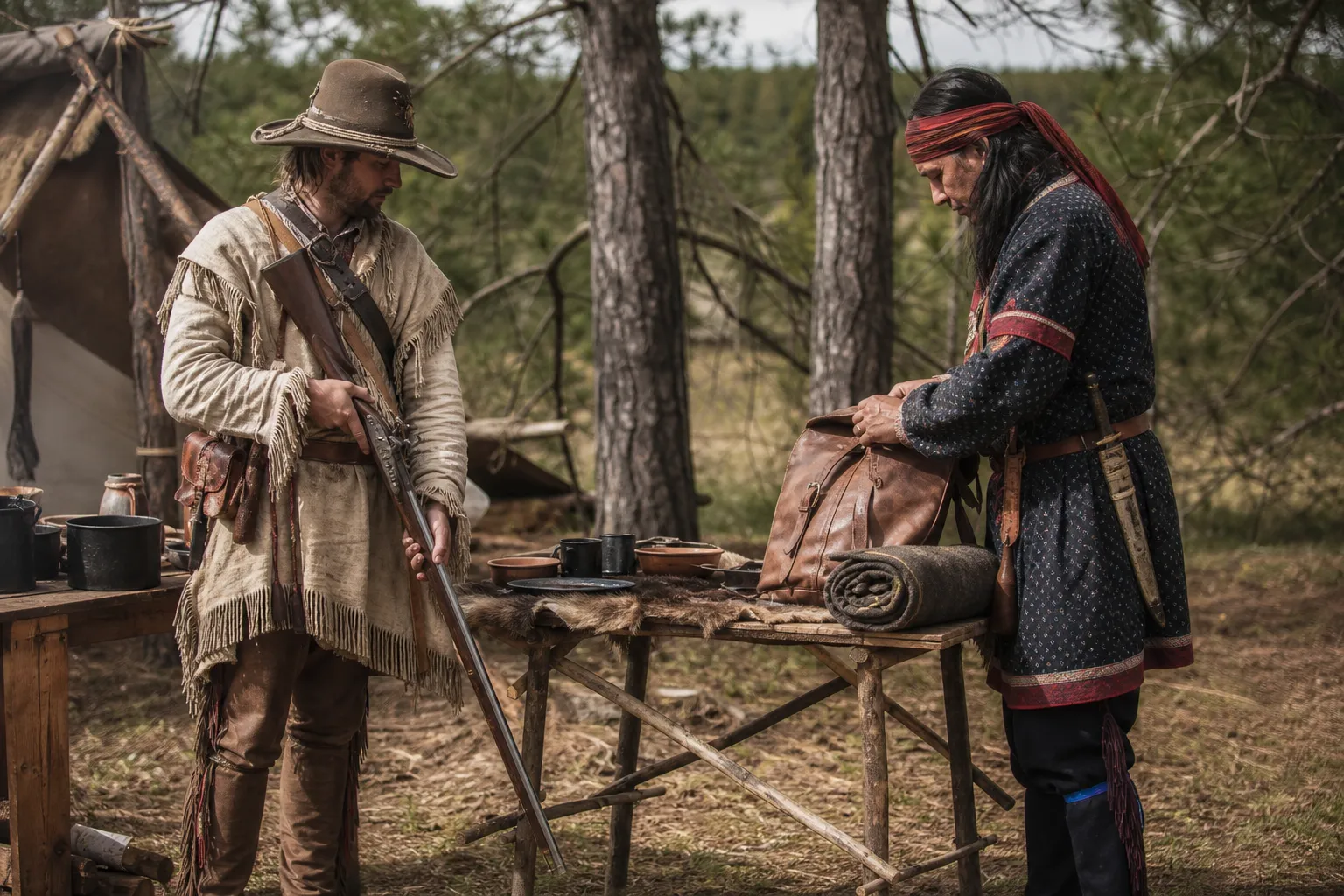
Military examples show the scale of flintlock use. The Royal Armouries Waterloo 1815 page says nearly 3 million India Pattern muskets and successors were produced from 1795 to 1815. It also says the British Model 1810 India Pattern musket changed the pan to use priming powder more efficiently.
The same Royal Armouries Waterloo 1815 page identifies the Baker Rifle as a flintlock rifle and notes that it later led to a percussion lock successor, the Model 1837 Brunswick Rifle. That places the Baker in the flintlock period while also showing the direction of later development.
In the United States, the National Park Service Springfield Armory FAQ says Springfield began with a copy of the French Charleville flintlock musket in 1795. For readers interested in the broader shoulder arm category, our article on the musket gives more context on the type of firearm that dominated many early military forces.
Flintlocks remained visible into the period of the U.S. Mexican War. The National Park Service Palo Alto Battlefield page states that U.S. and Mexican infantry used the flintlock musket as their main weapon during that conflict.
Why percussion ignition replaced the flintlock
Percussion ignition changed the ignition problem. Instead of depending on flint, steel, and loose priming powder in a pan, percussion systems used a different ignition method. The National Park Service Fort Smith page identifies the percussion lock as the next ignition improvement after the flintlock.
The National Park Service Springfield Armory FAQ says percussion ignition superseded flintlock ignition in the two decades before the American Civil War.
The change did not erase the importance of the flintlock. It shows how firearm mechanisms evolve. The matchlock solved one problem by giving the shooter a mechanical way to bring a burning match to the pan. The flintlock improved on that by creating sparks without a constantly burning match. Percussion ignition then replaced the flint, steel, and loose priming powder arrangement in many nineteenth-century arms.
The flintlock’s place in firearm history
The flintlock lasted because it balanced simplicity, portability, and practical ignition better than the systems before it. It was not free from misfires, and weather could still affect its priming powder. But compared with the matchlock, it removed the always-lit match and gave the lock a more integrated spark and pan-cover system.
That is why flintlocks appear across museum collections, military histories, and National Park Service interpretation. They belong to the long muzzleloading era, after matchlocks and before percussion ignition. When studying a specific antique or reproduction, check the museum record, agency interpretation, or manufacturer information for the exact model, date, and ignition type.
Frequently asked questions
What is a flintlock firearm?
SAAMI defines a flint lock as a muzzleloading ignition system in which flint is secured to the hammer and strikes steel to create ignition sparks.
What part holds the flint in a flintlock?
The National Park Service identifies the cock as the part that holds the flint between jaws. SAAMI describes the flint as secured to the hammer.
What does the frizzen do?
The National Institute of Justice describes the frizzen as combining the functions of a priming pan cover and an anvil. It is the steel part struck by the flint and it also covers the pan.
Why was the flintlock an improvement over the matchlock?
The National Park Service says matchlocks used a matchcord held by a serpentine and required caution because the lighted match was close to the powder. Flintlocks did not require a constantly burning match.
Were flintlocks always reliable?
No. The National Park Service Palo Alto Battlefield page notes that misfires were common with flintlock muskets, including problems from weather affecting priming powder, no spark, or a flash in the pan.
What replaced the flintlock?
Percussion ignition replaced flintlock ignition in many nineteenth-century arms. The National Park Service Springfield Armory FAQ says percussion ignition superseded flintlock ignition in the two decades before the American Civil War.
Sources
- SAAMI Glossary, Letter F, Sporting Arms and Ammunition Manufacturers' InstituteOfficial source. Accessed November 4, 2026.
- Design Your Flintlock, National Park ServiceOfficial source. Accessed November 4, 2026.
- Firearms Examiner Training, Ignition Systems, National Institute of JusticeOfficial source. Accessed November 4, 2026.
- Weapons, Evolution of Weapons, National Park Service, Fort Scott National Historic SiteOfficial source. Accessed November 4, 2026.
- History of Armour and Weapons Relevant to Jamestown, National Park Service, Historic JamestowneOfficial source. Accessed November 4, 2026.
- Waterloo 1815, Royal ArmouriesOfficial source. Accessed November 4, 2026.
- Flintlock Gun, The Metropolitan Museum of ArtOfficial source. Accessed November 4, 2026.
- Gun Flints (XX.919), Royal ArmouriesOfficial source. Accessed November 4, 2026.
- Musket Drill, National Park Service, Palo Alto Battlefield National Historical ParkOfficial source. Accessed November 4, 2026.
- Frequently Asked Questions, National Park Service, Springfield Armory National Historic SiteOfficial source. Accessed November 4, 2026.
- 1842 Springfield Musket, National Park Service, Fort Smith National Historic SiteOfficial source. Accessed November 4, 2026.
- The Ordnance Department: Planning Munitions for War, U.S. Army Center of Military HistoryOfficial source. Accessed November 4, 2026.