Gun Range Etiquette and Range Commands
Good range etiquette starts with listening to the range officer, keeping the muzzle pointed in a safe direction, and knowing what to do when the range is hot, cold, or under cease fire. Read the posted rules and ask staff before you set up.
By RaiS. Reviewed by RaiS. Published . 6 min read.
Research and drafting were assisted by AI. RaiS checked the facts against the sources below and approved this page.
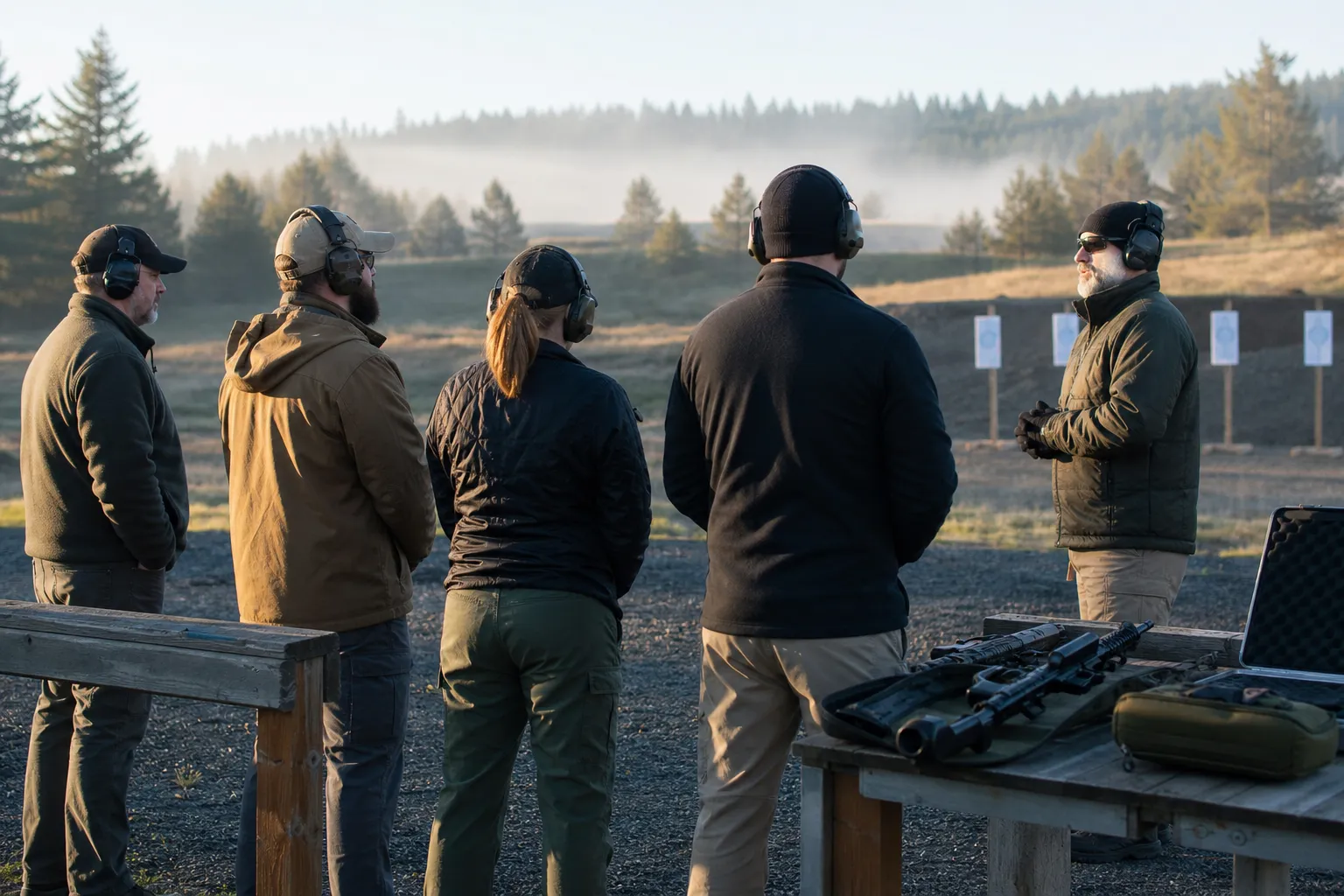
Good gun range etiquette is shared safety. At a public or club range, follow the posted rules, obey the range officer, keep the muzzle in a safe direction, and stop immediately if a cease-fire is called. A “hot” range means shooting is taking place. A “cold” range means shooting has stopped, firearms have been made safe, and the range may allow people to move forward to targets.
This guide is for a first trip to a staffed public or club range. It explains common range language and habits, but it does not replace the rules at the range you visit.
Before you go
Read the range rules before you leave home.
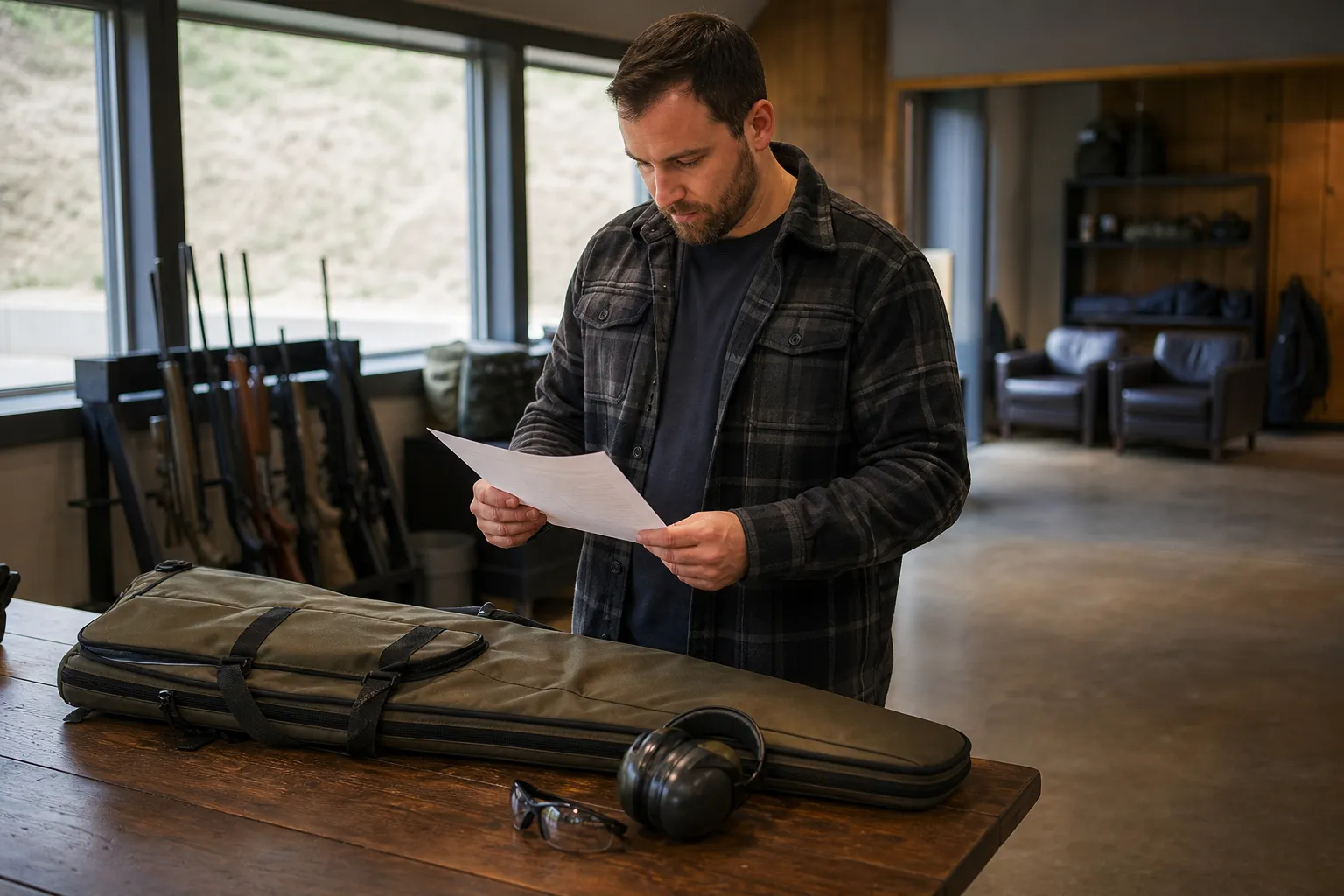
Bring eye and ear protection. NSSF states that shooting noise can damage hearing, and a published range operator rule page gives an example of requiring eye and hearing protection before entering the range. See ProjectGuns guides to Hearing Protection and Shooting Glasses before your first visit.
If you are new, tell the range officer or range staff before you set up. NRA Family says the range safety officer has absolute authority on a staffed range, and it also advises shooters who do not understand a command to ask the range safety officer.
A simple first-trip checklist:
- Read the range’s posted rules.
- Bring eye and hearing protection.
- Ask staff where to uncase firearms and where to place gear.
- Ask how that range handles hot and cold periods.
- Ask whether that range requires a chamber flag or other indicator.
Core safety rules at the range
Range etiquette is built on the basic Firearm Safety Rules. The NRA’s safety rules include keeping the firearm pointed in a safe direction, keeping your finger off the trigger until you are ready to shoot, and keeping firearms unloaded until ready to use.
NSSF defines a safe direction as one in which a bullet cannot possibly strike anyone. On many ranges, downrange toward the backstop is the usual safe direction, but the range officer and the posted rules define the procedure for that facility.
A few range words help you understand the layout:
- Firing line: the line or area where shooters fire from.
- Shooting lane: the assigned space for one shooter or firing point.
- Target line: the area where targets are placed or hung when the range is cold and people are allowed forward.
- Backstop: the impact area behind the targets. CMP range safety material says targets on informal ranges should be mounted in front of a secure backstop.
The practical result is simple: keep the muzzle where the range allows, stay in your assigned area, and shoot only the targets assigned to your lane.
Hot range, cold range, and common commands
A hot range is commonly used to mean the period when firing is taking place. During a cold range or cease fire, follow the range officer before moving forward or handling firearms. NRA Family says there should be no firearm handling during a cease-fire.
Common commands vary by facility, but these terms are widely used in range safety material:
| Command or status | What it means for a new shooter |
|---|---|
| Load | CMP’s range safety manual says no one may load until a load or commence-firing command is given. Wait for the command and follow the range officer’s procedure. |
| Commence firing | NRA Family says shooters should wait for the commence-firing command before shooting after the range is going hot. |
| Cease fire | NRA range-safety guidance says shooters must immediately stop firing when this command is given. CMP’s range safety manual says all firing must stop immediately at the cease-firing command. |
If a command is unclear, do not guess. NRA Family advises asking the range safety officer.
What to do when cease-fire is called
A cease-fire is not a suggestion. NRA range-safety guidance says shooters must immediately stop firing when the command is given, and CMP’s range safety manual says all firing must stop immediately at the cease-firing command.
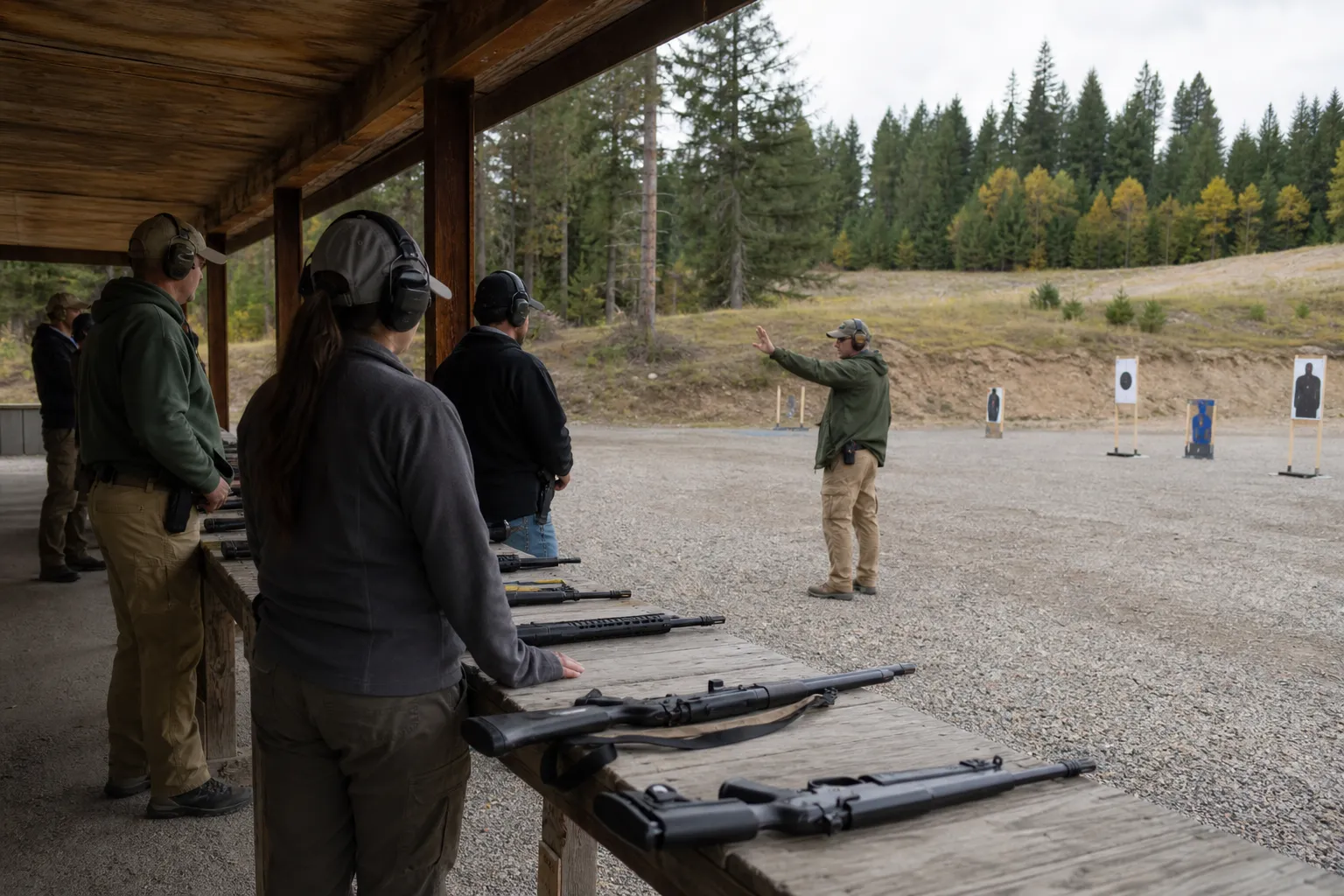
When you hear “cease fire”:
- Stop firing immediately.
- Keep the muzzle in the safe direction required by the range.
- Remove your finger from the trigger. This follows the NRA trigger rule, which says to keep your finger off the trigger until you are actually ready to shoot.
- Follow the range officer’s directions.
- Make the firearm safe as directed by that range.
- Step back from the firing line if instructed.
- Do not handle firearms, magazines, ammunition, or gear at the bench while people are downrange, if the range officer or posted rules have called the range cold.
NRA Family says anyone who spots a potential problem should call a ceasefire. NRA range-safety guidance also says a cease-fire command may be given by anyone who sees an unsafe situation. CMP teaches that everyone has a role in emergency safety.
During cease-fire procedures, many ranges require open actions and visible indicators. NSSF says actions should stay open when firearms are not in use. CMP safety guidance says firearms being handled should have the action open with an indicator inserted. For the terminology, see the ProjectGuns glossary entry for Chamber Flag.
Open actions and chamber flags
An open action shows that the firearm is not closed and ready to fire. NSSF says to always keep actions open when firearms are not in use.
A chamber flag, sometimes called an empty-chamber indicator, is a visible indicator used by some ranges and competitions. CMP safety guidance says firearms being handled should have the action open with an indicator inserted.
Do not assume every range uses the same system. Ask the range officer whether the facility requires a chamber flag, where firearms should be placed during a cold period, and whether ammunition may remain on the bench.
Shared-lane etiquette
Stay in your assigned lane. A published range operator rule page gives an example of requiring muzzles to stay downrange and inside the shooting lane.
Shoot only authorized targets. NRA range-safety guidance says shooters are responsible for shooting only at authorized targets. CMP’s range safety manual says targets on informal ranges should be mounted in front of a secure backstop, and a published range operator rule page gives an example of target-placement rules meant to direct shots into the backstop rather than the floor or ceiling.
Avoid distracting other shooters on the firing line. American Rifleman etiquette guidance says shooters should avoid unnecessary conversations with people who are firing. CMP safety guidance also says it is common courtesy not to begin firing until nearby people have had a chance to put on eye and hearing protection.
Do not handle another shooter’s firearm, ammunition, gear, or brass without permission. American Rifleman etiquette guidance specifically says shooters should not take another shooter’s brass without permission.
Targets, brass, and cleanup
Use only targets the range allows, and place or hang them as the range directs. NRA range-safety guidance says shooters should shoot only authorized targets, and CMP’s range safety manual says targets should be mounted in front of a secure backstop on informal ranges.
Clean up when the range permits it and when it can be done safely. American Rifleman etiquette guidance says shooters should police up their brass, targets, ammunition boxes, and trash. A published range operator rule page gives an example of allowing shooters to keep their own fired brass only if doing so does not disrupt others or create a hazard.
Do not cross the firing line to check targets, retrieve brass, or pick up dropped items until the range officer or posted procedure allows it. Wait for the range to be made cold and for the range officer to allow movement forward.
Final check before your first range trip
Before you go, confirm the current rules with the range itself. Check how that facility handles hot and cold range periods, cease-fire procedures, chamber flags, target placement, brass pickup, and eye and hearing protection. At the range, follow the range officer’s commands and ask before doing anything you are unsure about.
Frequently asked questions
What should I do if someone calls cease fire?
Stop firing immediately, keep the muzzle in the safe direction required by the range, remove your finger from the trigger, and follow the range officer’s directions. NRA and CMP range safety guidance both state that firing must stop immediately when cease fire is called.
Can anyone call cease fire?
NRA range safety guidance says a cease fire command may be given by anyone who sees an unsafe situation. NRA Family also says anyone who notices a potential problem should call a ceasefire.
Do I need a chamber flag at the range?
Some ranges require one and some procedures vary. CMP safety guidance says firearms being handled should have the action open with an indicator inserted, and you should ask the range officer whether that facility requires a chamber flag.
Can I pick up brass at a public range?
Only when the range permits it and when it can be done safely. American Rifleman etiquette guidance says shooters should clean up their brass and trash, but also says not to take another shooter’s brass without permission.
When can I go downrange to change targets?
Wait until shooting has stopped, firearms have been made safe, and the range officer or posted procedure allows people forward.
Sources
- NRA Gun Safety Rules, National Rifle AssociationOfficial source. Accessed October 29, 2026.
- Firearm Safety, 10 Rules of Safe Gun Handling, NSSFOfficial source. Accessed October 29, 2026.
- Gun Range Etiquette, NRA Family. Accessed October 29, 2026.
- NRA's Rules for Gun-Range Safety & Etiquette, NRA Family. Accessed October 29, 2026.
- A beginner's guide to public shooting ranges, Idaho Fish and GameOfficial source. Accessed October 29, 2026.
- Rules, Safety and Supervision, Idaho Fish and GameOfficial source. Accessed October 29, 2026.
- Range Restrictions, Idaho Fish and GameOfficial source. Accessed October 29, 2026.
- Safety, Civilian Marksmanship ProgramOfficial source. Accessed October 29, 2026.
- CMP Safety Manual, Civilian Marksmanship ProgramOfficial source. Accessed October 29, 2026.
- Range Rules, National Range & ArmoryOfficial source. Accessed October 29, 2026.
- Gun Range Etiquette: Simple Steps to Safe Shooting, American Rifleman. Accessed October 29, 2026.