Diopter Adjustment Explained: How to Focus a Scope or Binocular Eyepiece
A diopter adjustment focuses the eyepiece or reticle for your eye. It is separate from a riflescope parallax control, a spotting scope’s main focus ring, or a binocular’s center focus wheel.
By RaiS. Reviewed by RaiS. Published . 6 min read.
Research and drafting were assisted by AI. RaiS checked the facts against the sources below and approved this page.
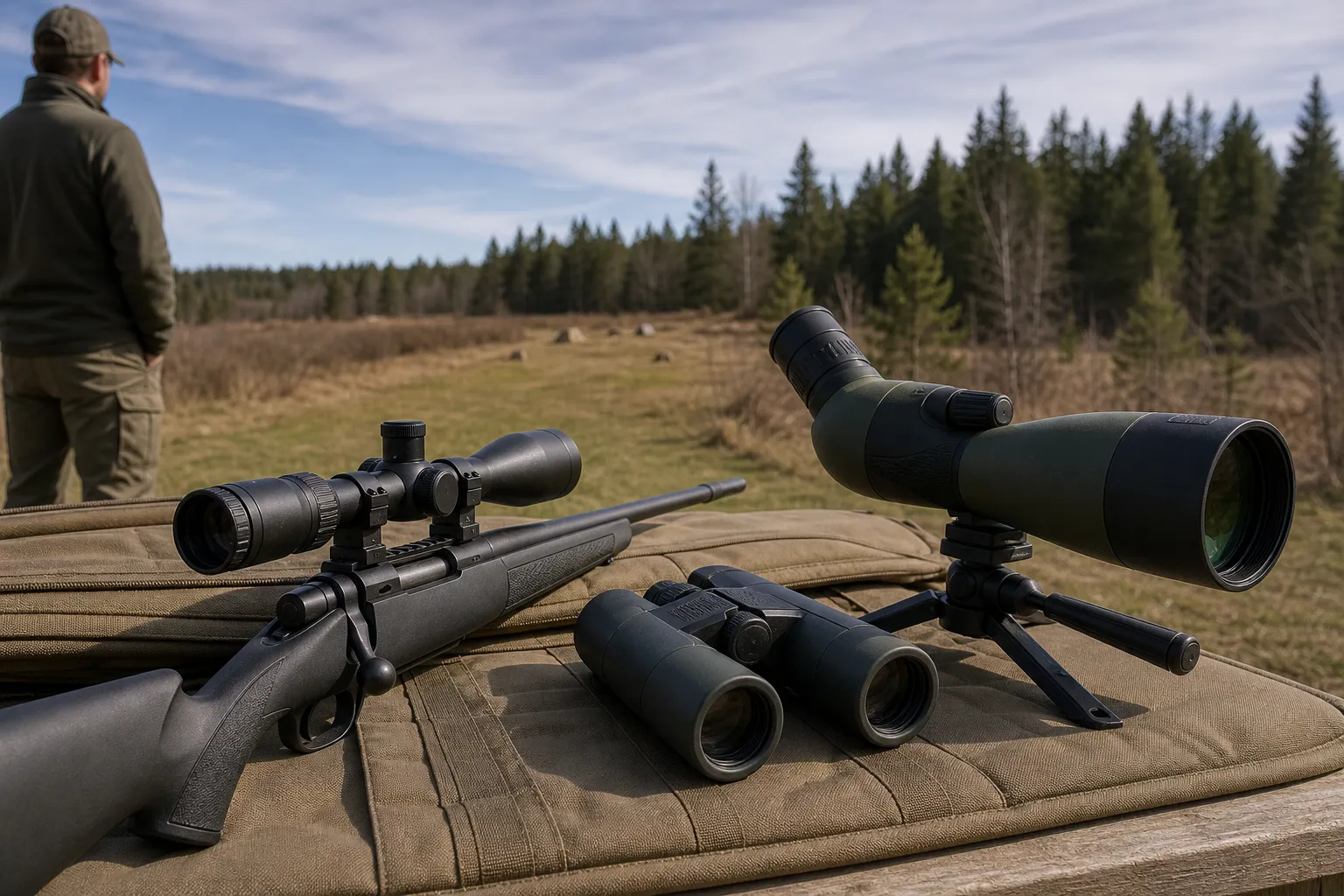
A diopter adjustment is the control that adapts an optic’s eyepiece to your eyesight. In a riflescope or reticle spotting scope, it is used to make the reticle look sharp to your eye. In binoculars, it balances the focus between your left and right eyes. It is not the same thing as target focus, subject focus, or a riflescope parallax adjustment.
What does “diopter” mean?
In optics, a diopter is a unit of lens power. The National Academy of Opticianry describes lens power as the reciprocal of focal length in meters, and one diopter corresponds to a lens power with a focal distance of one meter.
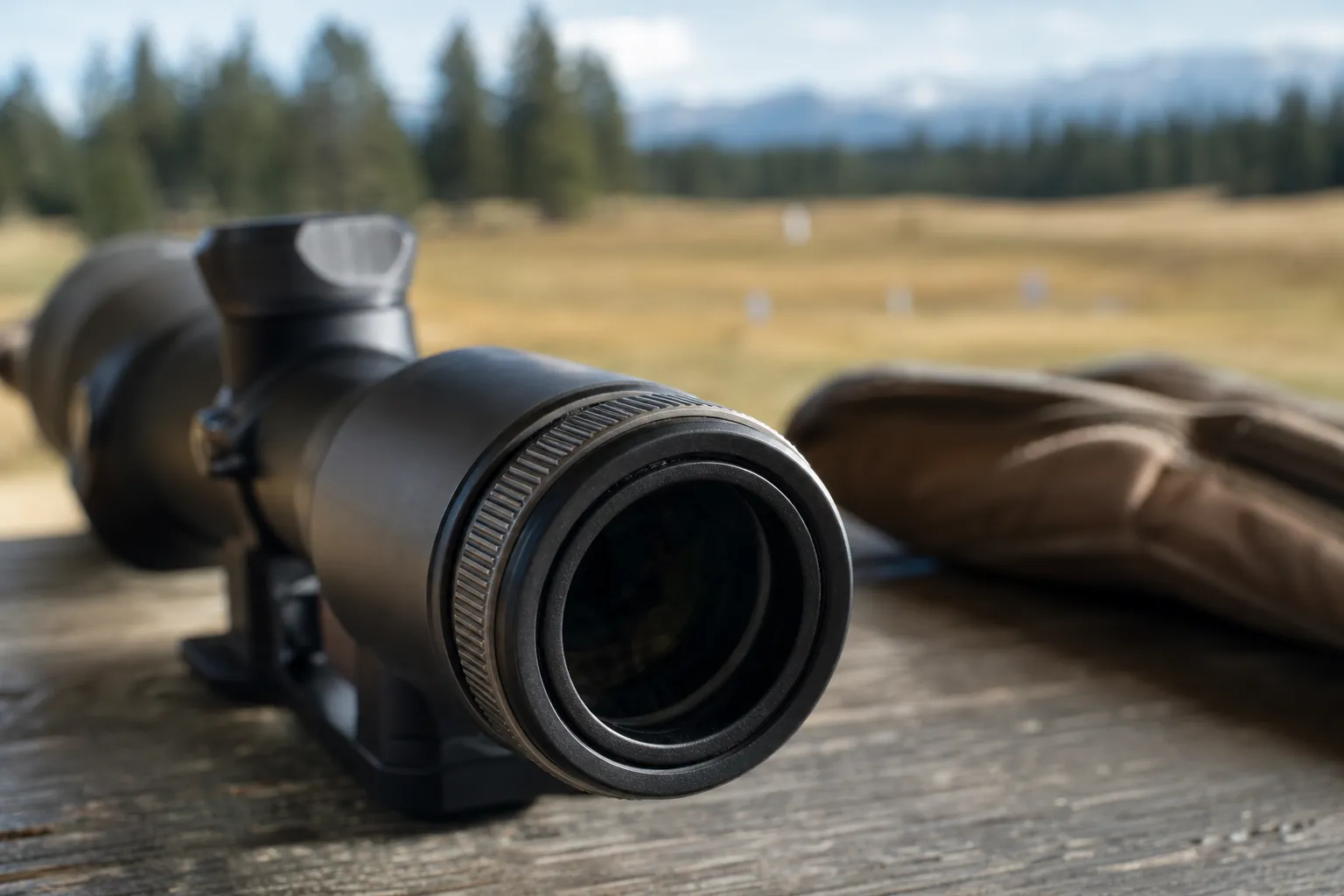
On a scope, binocular, or spotting scope, the word is used for an adjustment that changes eyepiece focus for the person using the optic. In plain terms, the diopter helps the optic match your eye.
That is why a diopter setting is usually personal. Once it is set for your eyesight, it is not normally the control you use every time the target, bird, animal, or landscape changes distance.
Diopter adjustment on a rifle scope
On a riflescope, the diopter or eyepiece focus is for the reticle. Leupold’s glossary defines riflescope diopter focus as an eyepiece mechanism used solely to bring the reticle into focus.
That point is easy to miss because a blurry view through a scope can have more than one cause. The reticle can be out of focus for your eye. The target image can be out of focus. On scopes that have parallax adjustment, the target and reticle can also be out of alignment in a parallax sense.
Leupold separates those jobs in its riflescope support material. It describes diopter focus as being on the eyepiece, while adjustable objective and side focus systems are parallax controls on models that have them. Leupold also says that, after the reticle is focused, adjustable objective or side focus can be used for the target image and parallax.
For a deeper explanation of that separate control, see rifle scope parallax explained. For the aiming pattern itself, see rifle scope reticles explained.
A simple way to think about scope focus controls
| Control | What it is for |
|---|---|
| Eyepiece diopter | Focuses the reticle for your eye |
| Side focus or adjustable objective, when present | Used for target image focus and parallax adjustment |
| Magnification ring, when present | Changes magnification, not the diopter setting |
The important distinction is that the diopter is about your eye and the reticle. The parallax or focus control is about the target image and the scope’s optical alignment at distance.
How manufacturers commonly tell users to set a riflescope diopter
Manufacturer instructions vary by model, so the owner’s manual should always be the final guide. Still, the same broad pattern appears in riflescope manuals and support pages.
First, set the eyepiece for your own eyesight.
Second, use a plain background when checking reticle sharpness. This helps you judge the reticle itself rather than the detail of a target image.
Third, avoid staring through the optic for too long. Nightforce gives the same kind of warning for a reticle equipped spotting scope, stating that staring at the reticle too long can make the eye refocus and falsely suggest that the diopter is correct.
Finally, once the reticle looks sharp for the user, leave that setting alone unless the user changes. Leupold says that after the eyepiece or diopter is set, it normally should not be changed again unless a different shooter uses the scope.
Some eyepieces and diopter rings have locking rings or other model-specific features. Check the manual for your exact scope before forcing, loosening, or changing anything.
Diopter adjustment on binoculars
On binoculars, the diopter has a different everyday job. The center focus wheel focuses both barrels together, while the diopter compensates for differences between your left and right eyes.
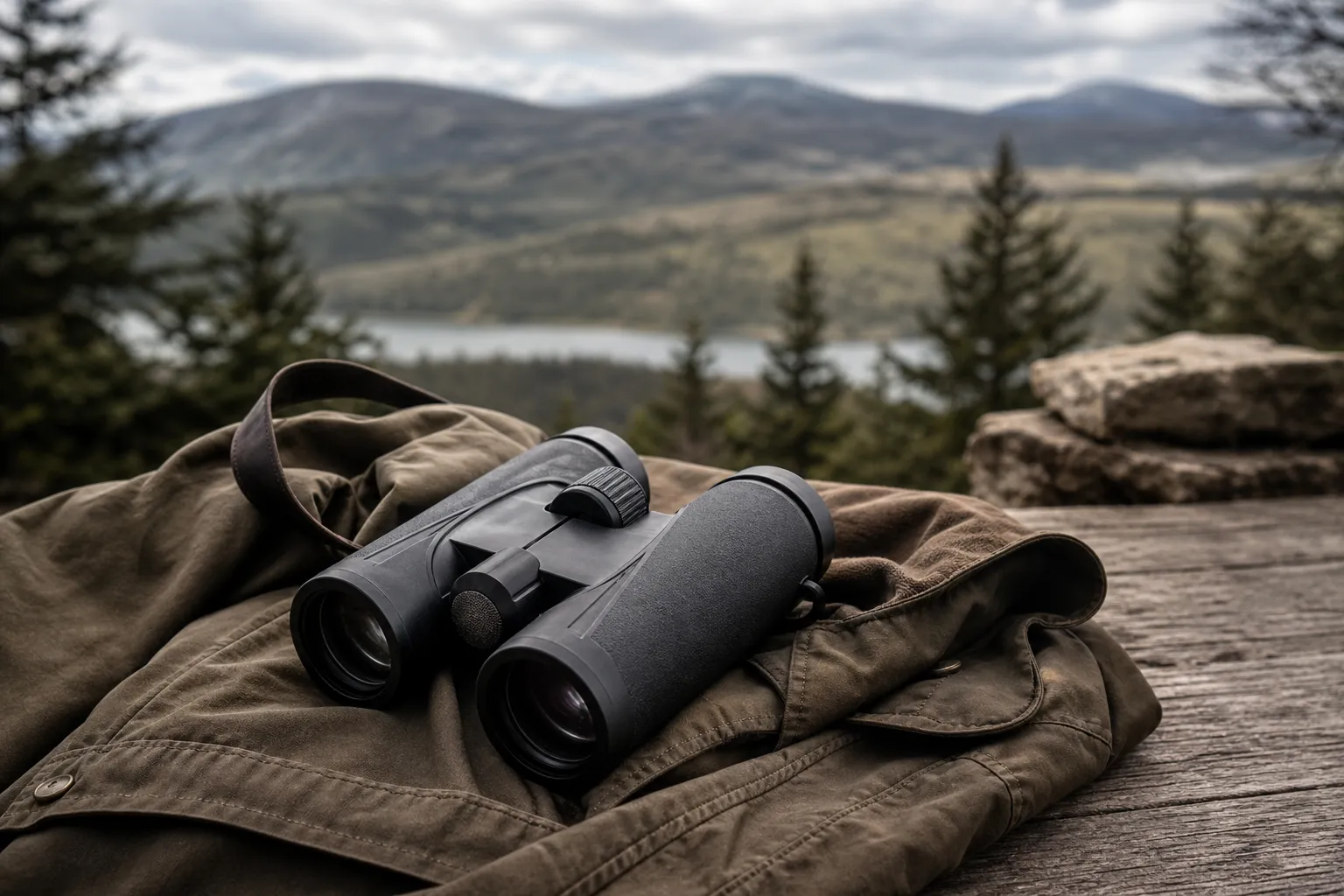
Leupold’s binocular manual says the binocular diopter is used to focus the binocular to the individual user’s eyesight. Swarovski Optik explains binocular diopter adjustment as compensation for different visual impairments between the left and right eye. ZEISS describes the same idea as correcting different left-eye and right-eye prescriptions.
The diopter control is not always in the same place. Leupold notes that a binocular diopter can be on the center focus dial or on the right eyepiece, depending on the model. ZEISS also distinguishes the main focusing wheel from the diopter adjustment wheel in its Conquest HDX manual.
The common setup pattern is:
- Focus one barrel with the center focus wheel.
- Focus the other barrel with the diopter.
- After that, use the center focus wheel for normal viewing.
Leupold says that, after the binocular diopter is set, the center focus wheel is the normal field adjustment. ZEISS gives the same practical instruction in its binocular manual, telling users to use only the focusing wheel for additional focusing at different distances after setup.
Some binoculars have a way to lock the diopter setting. ZEISS describes a binocular diopter locking mechanism as a way to prevent unwanted adjustment.
If you are comparing binocular specifications, see what the numbers on binoculars mean.
Diopter adjustment and eyeglasses
Eyeglasses and other vision correction can affect how you set a diopter.
Swarovski Optik says no binocular diopter adjustment is needed if both eyes have equal vision or if the user is wearing glasses. ZEISS says that, when binoculars are used with glasses, the diopter compensation is set to zero because the glasses already correct eye differences.
For reticle spotting scopes, Nightforce says users who wear vision correction when shooting should set the spotting scope diopter while wearing those corrective lenses.
The practical point is simple: set the optic the way you will actually use it. If you use an optic with corrective lenses, follow the manual’s instructions for setting the diopter while using that same vision correction.
Diopter adjustment on spotting scopes
Spotting scopes can be simpler or more like a riflescope, depending on whether they have a reticle.
A spotting scope without a reticle may simply have a main focus control for the subject.
A reticle spotting scope can also have a diopter to sharpen the reticle for the user’s eye. Nightforce describes the diopter adjustment on its CFS spotting scope as a reticle-focus adjustment for the user’s eye prescription.
For more background on this type of optic, see what is a spotting scope?.
Diopter vs target focus vs parallax
These terms are related, but they do not mean the same thing.
| Term | Plain meaning |
|---|---|
| Diopter adjustment | Focuses the eyepiece or reticle for the user’s eye |
| Binocular center focus | Focuses the binocular for viewing at different distances after the diopter is set |
| Spotting scope main focus | Makes the subject or target appear sharp |
| Riflescope side focus or adjustable objective | Used for target image focus and parallax on models that have those controls |
If the reticle is blurry, the diopter is the first concept to understand. If the reticle is sharp but the target image is not, the main focus or parallax control may be the relevant control, depending on the optic. If a binocular feels mismatched between eyes, the diopter is the control intended to balance that difference.
Sun safety with scopes, binoculars, and spotting scopes
Never look at the sun through a scope, binocular, spotting scope, telescope, camera lens, or similar optical device unless you are following qualified solar-filter safety guidance. NASA warns not to look at the sun through binoculars, telescopes, cameras, or other optical devices without proper solar-filter practice.
This warning applies even if you are only trying to adjust focus. A diopter ring does not make solar viewing safe.
What to check in your own manual
Diopter controls are not in the same place on every optic. Leupold notes this even for binoculars, where the diopter may be on the center focus dial or on the right eyepiece depending on the model.
Before making adjustments, check the manual for:
- Where the diopter control is located.
- Whether the diopter has a lock.
- Whether the optic has a separate side focus or adjustable objective.
- Whether the manufacturer gives a specific reticle-focus procedure.
- Whether corrective lenses should be worn while setting the optic.
The main idea stays the same: set the diopter for your eye, then use the normal focus or parallax controls for the target, subject, or viewing distance as the manufacturer directs.
Frequently asked questions
What is a diopter adjustment?
A diopter adjustment changes eyepiece focus for the user’s eye. In a riflescope or reticle spotting scope, it focuses the reticle. In binoculars, it helps balance focus differences between the left and right eyes.
Is the diopter the same as parallax adjustment on a rifle scope?
No. Leupold describes the riflescope diopter as the eyepiece focus for the reticle, while adjustable objective and side focus systems are parallax controls on models that have them.
What does the diopter do on binoculars?
A binocular diopter compensates for differences between the user’s left and right eyes. After it is set, Leupold and ZEISS instruct users to use the center focusing wheel for normal focusing at different distances.
Do eyeglasses affect diopter adjustment?
Yes. Swarovski Optik and ZEISS explain that glasses can already correct differences between the eyes for binocular use. Nightforce says users who wear corrective lenses when shooting should set a reticle spotting scope diopter while wearing those lenses.
Can a diopter adjustment make solar viewing safe?
No. NASA warns against looking at the sun through binoculars, telescopes, cameras, or other optical devices without proper solar filter practice.
Sources
- Ophthalmic Terminology: Lens Powers, National Academy of Opticianry. Accessed November 15, 2026.
- Glossary, LeupoldOfficial source. Accessed November 15, 2026.
- Riflescope Support, LeupoldOfficial source. Accessed November 15, 2026.
- Riflescope Owner’s Guide, Match Pro, BushnellOfficial source. Accessed November 15, 2026.
- Binocular Owner’s Manual, LeupoldOfficial source. Accessed November 15, 2026.
- ZEISS Conquest HDX Instructions for Use, ZEISSOfficial source. Accessed November 15, 2026.
- Insights into Observation Optics, Swarovski OptikOfficial source. Accessed November 15, 2026.
- About Housings and Focusing, ZEISS Sports OpticsOfficial source. Accessed November 15, 2026.
- CFS 6-36x50 Owner’s Manual, Nightforce OpticsOfficial source. Accessed November 15, 2026.
- LMSS2 Spotting Scope Manual, BushnellOfficial source. Accessed November 15, 2026.
- Legend T Series FLP Spotting Scope Manual, BushnellOfficial source. Accessed November 15, 2026.
- Eclipse Viewing Safety, NASA ScienceOfficial source. Accessed November 15, 2026.
- Solar Eclipse Eye Safety, American Academy of Ophthalmology. Accessed November 15, 2026.