Antlers vs Horns: What Is the Difference?
Antlers are shed seasonally. Horns have a bony core and keratin sheath, are usually permanent, and occur on animals such as bison, bighorn sheep, mountain goats and pronghorn.
By RaiS. Reviewed by RaiS. Published . 7 min read.
Research and drafting were assisted by AI. RaiS checked the facts against the sources below and approved this page.
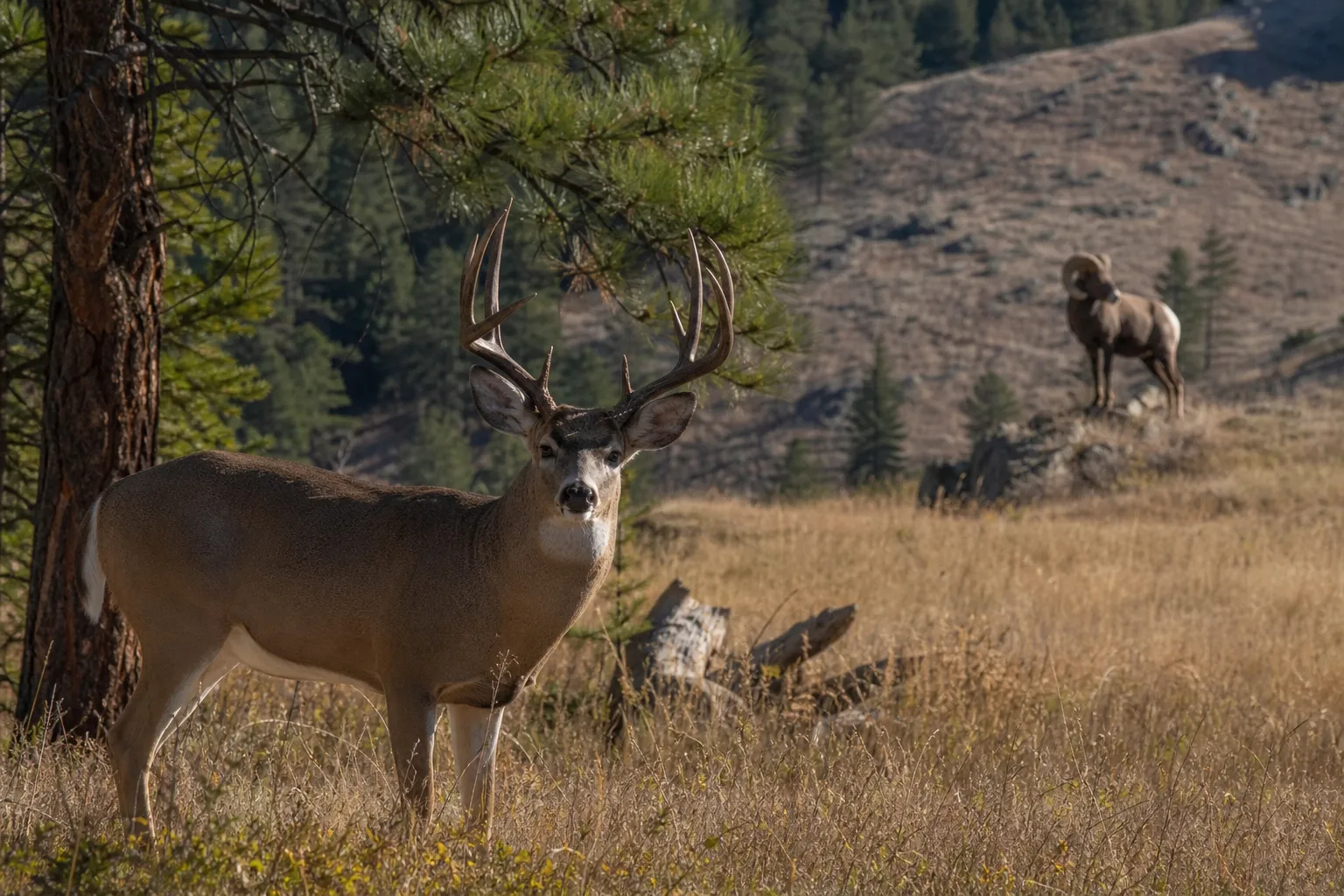
Antlers and horns are not the same thing. The National Park Service draws the basic line this way: antlers are shed and regrown yearly, while horns are not shed and continue to grow, with pronghorn as the major North American exception because they shed and regrow the outer horn sheath each year.
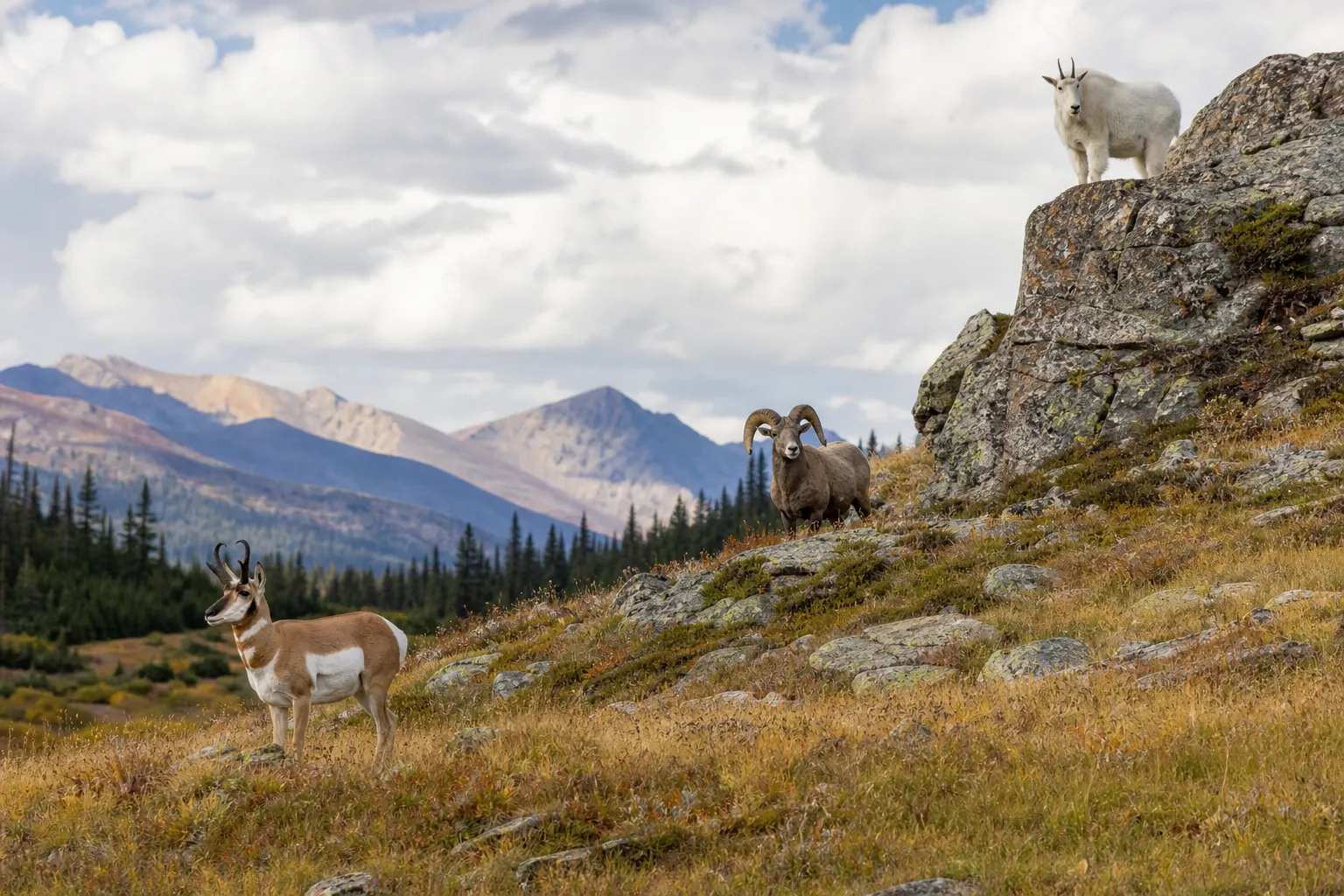
For hunters and wildlife watchers, that difference matters for identification. Deer, elk, moose and caribou have antlers. Pronghorn, bison, bighorn sheep and mountain goats have horns. The tricky cases are caribou, because both sexes grow antlers, and mountain goats, because both sexes have horns and sex identification takes more than a quick look at headgear.
Quick comparison: antlers vs horns
The National Park Service describes horns as a two-part structure: a bony interior, which is an extension of the skull, covered by an exterior keratin sheath.
| Feature | Antlers | Horns |
|---|---|---|
| Shedding | Shed and regrown seasonally | Generally not shed |
| Main North American examples | Deer, elk, moose, caribou | Pronghorn, bison, bighorn sheep, mountain goats |
| Sex pattern | Generally males, with caribou as the key exception | Usually both sexes, with female horns often smaller |
| Growth detail | U.S. Fish and Wildlife Service says antlers grow from the tip | U.S. Fish and Wildlife Service says horns grow from the base |
| Special exception | Caribou males and females both grow antlers | Pronghorn shed and regrow the horn sheath each year |
What antlers are
The U.S. Fish and Wildlife Service lists white-tailed deer, mule deer, elk, moose and caribou among North American animals with antlers.
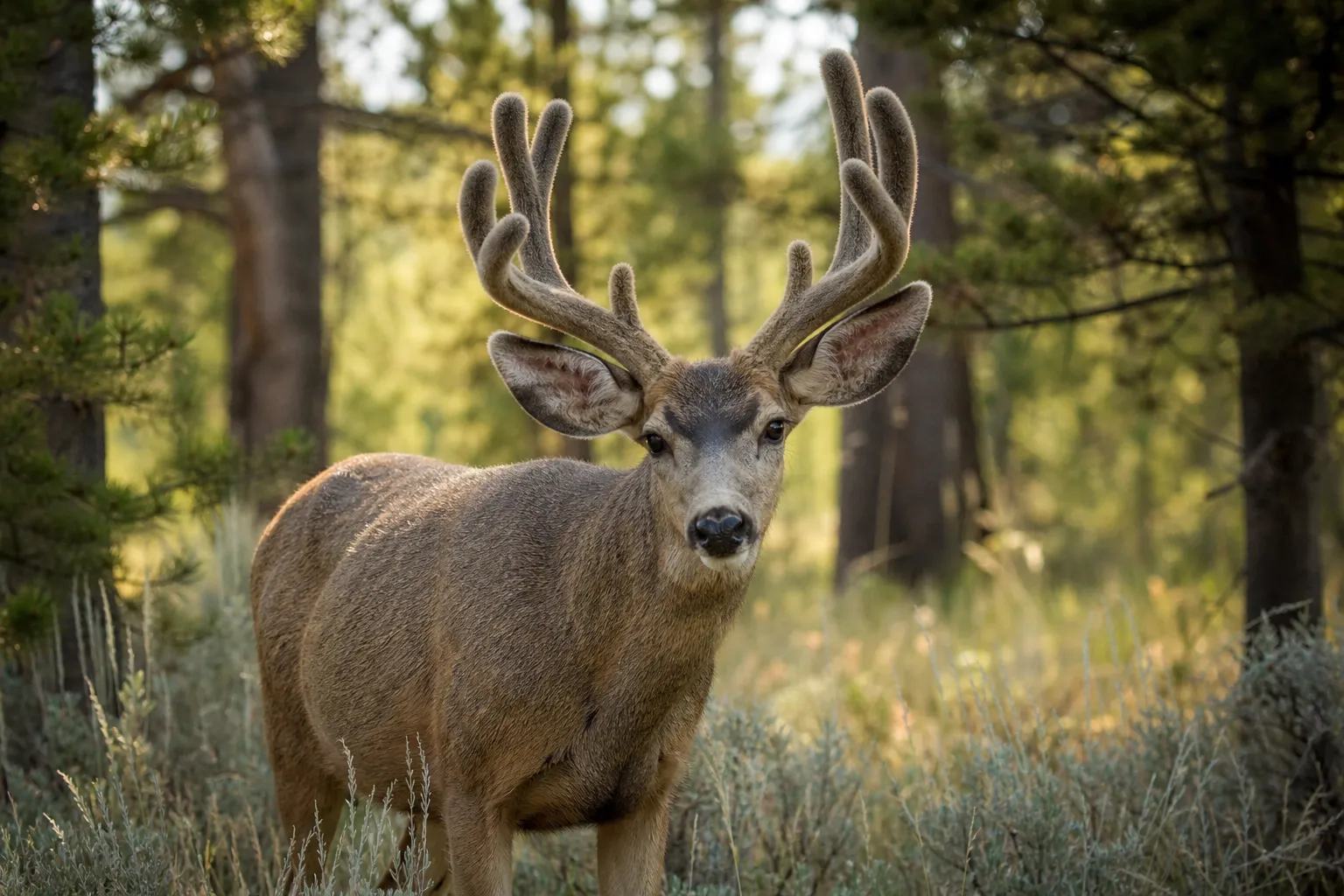
While antlers are growing, they are covered in velvet. The U.S. Fish and Wildlife Service explains that velvet carries oxygen-rich blood to growing antlers, which begin as cartilage and later calcify into bone. The National Park Service similarly describes elk antlers as bone-based structures covered in soft velvet while growing.
After the antlers are fully developed, the velvet is shed, leaving hard bone. The U.S. Fish and Wildlife Service notes that deer, elk and moose rub newly formed antlers on trees and other vegetation to remove dried velvet.
Antlers are seasonal. The U.S. Fish and Wildlife Service says elk, moose, caribou and deer generally shed their antlers after the rut in winter or early spring, and that new growth begins after the pedicles heal. For more detail on that cycle, see when deer shed their antlers.
What horns are
Horns are built differently. The National Park Service describes a horn as having an interior portion of bone covered by an exterior keratin sheath. Keratin is the same general material the National Park Service compares to human fingernails in its bighorn sheep description, and Parks Canada also says mountain goat horns are made of keratin.
Horns are generally permanent. The National Park Service states that horns never shed and continue to grow throughout an animal’s life. It also says horns are usually found on both males and females, with female horns often smaller. The U.S. Fish and Wildlife Service places bison, bighorn sheep and mountain goats with horned bovine animals and says both males and females have horns.
The big exception is pronghorn. Yellowstone National Park describes pronghorn as having true horns with permanent bony cores, but says the outer sheaths are shed and grown every year and that the horns are pronged. For a species overview, see our pronghorn guide.
Species examples hunters are likely to see
Deer
White-tailed deer and mule deer have antlers, not horns. The U.S. Fish and Wildlife Service includes white-tailed deer and mule deer among North American animals with antlers.
For field identification between two common deer, see mule deer vs whitetail.
Elk
Elk have antlers. Great Smoky Mountains National Park describes elk antlers as annual structures on male animals.
Elk antlers are not permanent horns. They are temporary structures that grow under velvet, harden, and are shed and regrown. For a broader elk overview, see elk subspecies, antlers, rut and range.
Moose
Moose have antlers. Rocky Mountain National Park says bull moose grow large palmate antlers, while cow moose do not have antlers. The park also says bull moose begin dropping their antlers after the mating season and begin growing them again in early spring.
That means a moose without antlers is not automatically a cow. The National Park Service notes that bulls drop antlers after mating season, so season and context matter. For a related field comparison, see moose vs elk.
Caribou
Caribou are the important exception within the deer family. The Alaska Department of Fish and Game says caribou are the only member of the deer family in which both sexes grow antlers. It also says adult bull antlers are large and massive, while adult cow antlers are usually much shorter, more slender and irregular.
For hunters, the key warning is that antlers alone can be misleading. Alaska Department of Fish and Game states that it is impossible to tell young bulls from cows with certainty by looking only at their antlers. Where harvest restrictions depend on sex, confirm the current rules and use the identification guidance from the wildlife agency managing that hunt.
For more on the animal and terminology, see caribou vs reindeer.
Pronghorn
Pronghorn have horns, but they do not fit the simple rule that horns are never shed. Yellowstone National Park says pronghorn have true horns made of modified, fused hair that grows over permanent bony cores. It also says pronghorn differ from other horned animals because the sheaths are shed and grown every year and because the horns are pronged.
Yellowstone National Park also says male pronghorn horns are pronged and that about 70 percent of females also have horns. That makes pronghorn a useful reminder that the words “horn” and “antler” describe structure and growth, not just whether an animal has visible headgear.
Bison
Bison have true horns. The National Park Service lists bison in Bovidae and describes that group as having true, unbranched horns on both sexes. The U.S. Fish and Wildlife Service also includes bison among horned bovine animals and states that both males and females have horns.
Those horns are not antlers. They are not branched, and the National Park Service’s general horn description applies: a bony interior covered by a keratin sheath.
Bighorn sheep
Bighorn sheep have horns. The National Park Service says bighorn rams have heavy curving horns, while ewes have shorter, slender versions. It also says bighorn horns are not shed.
Because both sexes have horns, horn presence alone does not identify a bighorn as male. The National Park Service’s comparison is about size and shape: rams have heavy curving horns, while ewes have shorter and slender horns. For more detail, see bighorn sheep subspecies, horns and habitat.
Mountain goats
Mountain goats have horns. Parks Canada says mountain goat horns are made of keratin, continue to grow throughout life, and occur on both males and females. The U.S. Fish and Wildlife Service also includes mountain goats among horned bovine animals and says both males and females have horns.
Mountain goat sex identification deserves care. Alaska Department of Fish and Game says males have thicker horns with less space between the horn bases, while female horns are thinner and more spindly. The same field problem follows from Parks Canada’s point that both sexes have horns: do not rely on horn presence alone.
Sex differences: why headgear can mislead
A simple rule works most of the time: antlers are generally on males, and horns are usually on both sexes with female horns often smaller. The National Park Service states both parts of that pattern. But hunters should remember the exceptions.
Caribou are the clearest antler exception. The U.S. Fish and Wildlife Service says caribou are the only listed North American antlered species where both males and females have antlers. Alaska Department of Fish and Game warns that young bull caribou and cows cannot be identified with certainty by antlers alone.
Mountain goats are a horn example where both sexes have headgear. Parks Canada says both males and females have horns, and Alaska Department of Fish and Game points to horn thickness and spacing at the bases as part of sex identification. Body shape and behavior are also named in the fact summary as traits to consider together, so hunters should use the full agency guidance for the area and season.
Shed antlers and regulations
Shed antlers are part of the landscape, not just collectibles. The U.S. Fish and Wildlife Service says shed antlers provide nutrients for wildlife, and that mice, squirrels and porcupines gnaw on antlers for nutrients and to wear down their teeth.
The U.S. Fish and Wildlife Service also notes that shed antler collecting is illegal in many places. Before picking up sheds, horns, skulls or other animal parts, check the current state, provincial, federal or park authority for the exact place and date. Rules can differ by land status, season and jurisdiction.
Bottom line for hunters and wildlife readers
Use the structure and growth pattern first. Antlers are covered in velvet while growing, then shed and regrown seasonally. Horns have a bony core and keratin sheath, are usually permanent, and are generally found on both sexes.
Then check the exceptions. Pronghorn have horns but shed the outer sheath each year. Caribou are deer-family animals in which both sexes grow antlers. Mountain goats have horns on both sexes, so sex identification should follow current agency guidance rather than a single trait.
Before hunting, collecting sheds or keeping animal parts, confirm the current rules with the wildlife agency, park authority or land manager for that exact location and season.
Frequently asked questions
Are antlers bone?
Growing antlers begin as cartilage and later calcify into bone. After development, the velvet is shed, leaving hard bone.
Are horns shed every year?
Generally, no. The National Park Service states that horns are not shed and continue to grow, but pronghorn are the major exception because they shed and regrow the outer horn sheath each year.
Which North American animals have antlers?
The U.S. Fish and Wildlife Service lists white-tailed deer, elk, moose, mule deer and caribou among North American animals with antlers.
Which animals have horns?
The National Park Service lists pronghorn, bighorn sheep and bison as horned animals, and the U.S. Fish and Wildlife Service also includes mountain goats among horned bovine animals.
Do female caribou have antlers?
Yes. Alaska Department of Fish and Game says caribou are the only member of the deer family in which both sexes grow antlers.
Can hunters identify sex by antlers or horns alone?
Not always. Alaska Department of Fish and Game warns that young bull caribou and cows cannot be identified with certainty by antlers alone, and mountain goats require careful comparison because both sexes have horns.
Sources
- Horns vs. Antlers, National Park ServiceOfficial source. Accessed November 27, 2026.
- Eight points about antlers, U.S. Fish & Wildlife ServiceOfficial source. Accessed November 27, 2026.
- Antlers!, U.S. Fish & Wildlife ServiceOfficial source. Accessed November 27, 2026.
- White-tailed deer: Wildlife management series for Midwestern farmers, Michigan State University ExtensionOfficial source. Accessed November 27, 2026.
- Elk, National Park Service, Great Smoky Mountains National ParkOfficial source. Accessed November 27, 2026.
- Moose, National Park Service, Rocky Mountain National ParkOfficial source. Accessed November 27, 2026.
- Caribou Species Profile, Alaska Department of Fish and GameOfficial source. Accessed November 27, 2026.
- Bull or Cow? How to distinguish between bull and cow caribou in the field, Alaska Department of Fish and GameOfficial source. Accessed November 27, 2026.
- Pronghorn, National Park Service, Yellowstone National ParkOfficial source. Accessed November 27, 2026.
- Bison Facts & Figures, National Park ServiceOfficial source. Accessed November 27, 2026.
- Bighorn sheep, National Park Service, Organ Pipe Cactus National MonumentOfficial source. Accessed November 27, 2026.
- Mountain goats, Parks Canada, Glacier National ParkOfficial source. Accessed November 27, 2026.
- Mountain Goat Identification: How to Judge Sex and Age by Horn Appearance and Size, Alaska Department of Fish and GameOfficial source. Accessed November 27, 2026.
- Ungulates, Parks Canada, Waterton Lakes National ParkOfficial source. Accessed November 27, 2026.