Shotgun Shell Length Explained: 2¾, 3 and 3½ Inch Shells
Shotgun shell length markings such as 2¾, 3 and 3½ inches refer to the shell length used with the shotgun’s chamber marking. Match the gauge and shell length on the ammunition box to the markings on the shotgun, and never use a shell longer than the chamber marking.
By RaiS. Reviewed by RaiS. Published . 6 min read.
Research and drafting were assisted by AI. RaiS checked the facts against the sources below and approved this page.
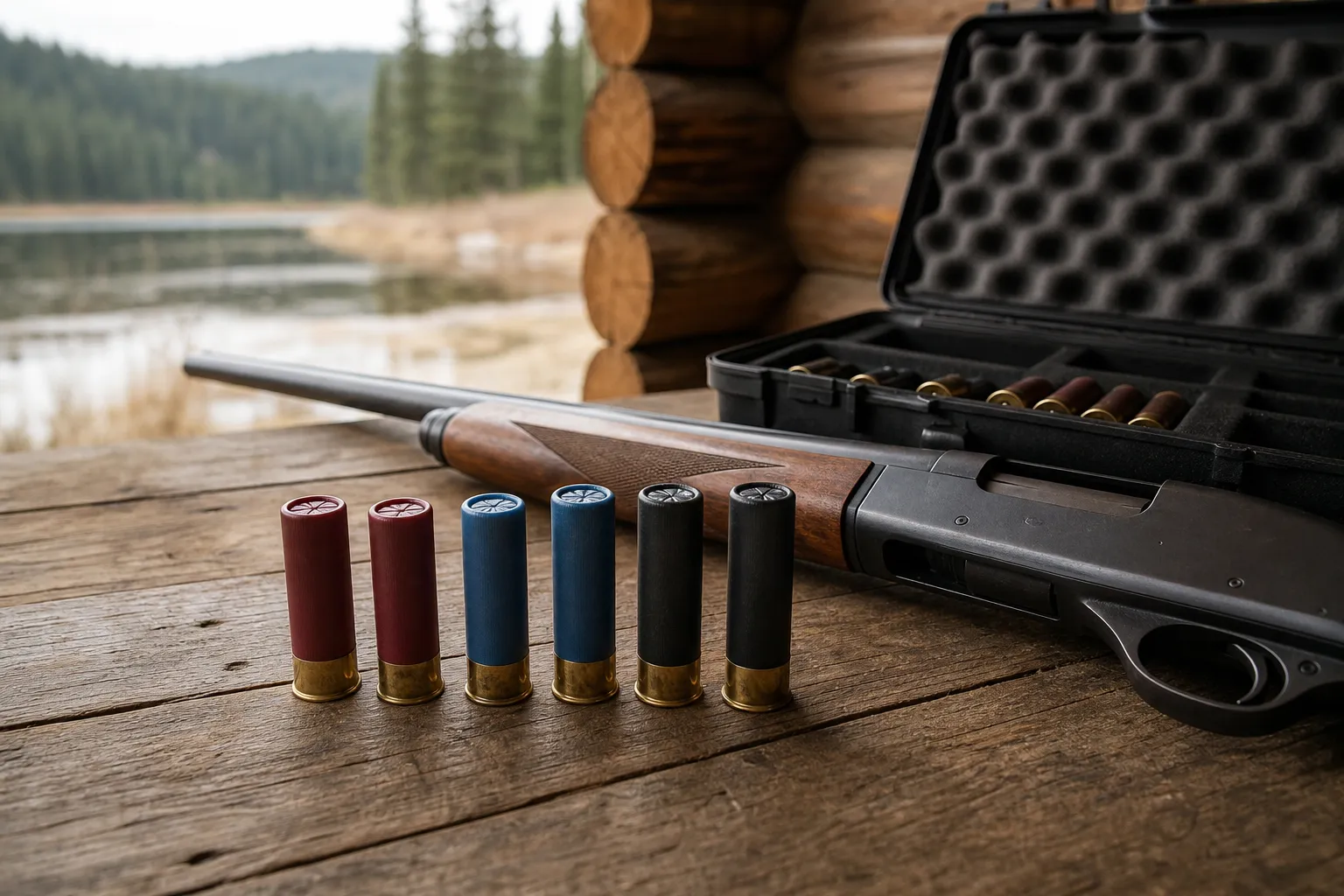
Shotgun shell length is the length category of the shell for a matching chamber. The practical rule is simple: match the gauge and shell length on the ammunition box to the markings on the shotgun barrel or action, and do not use a shell that is longer than the chamber length marked on the gun.
That rule matters because an unfired shell is shorter than its marked length. Browning warns not to measure an unfired shell to determine its length, noting that an unfired 2¾-inch shell may measure only about 2½ inches.
What the 2¾, 3 and 3½ inch markings mean
The familiar markings on shotgun ammunition, such as 12 gauge 2¾ inch or 20 gauge 3 inch, combine two separate pieces of information: gauge and shell length. SAAMI publishes dimensional and performance standards for shotshell cartridges and chambers in Z299.2.
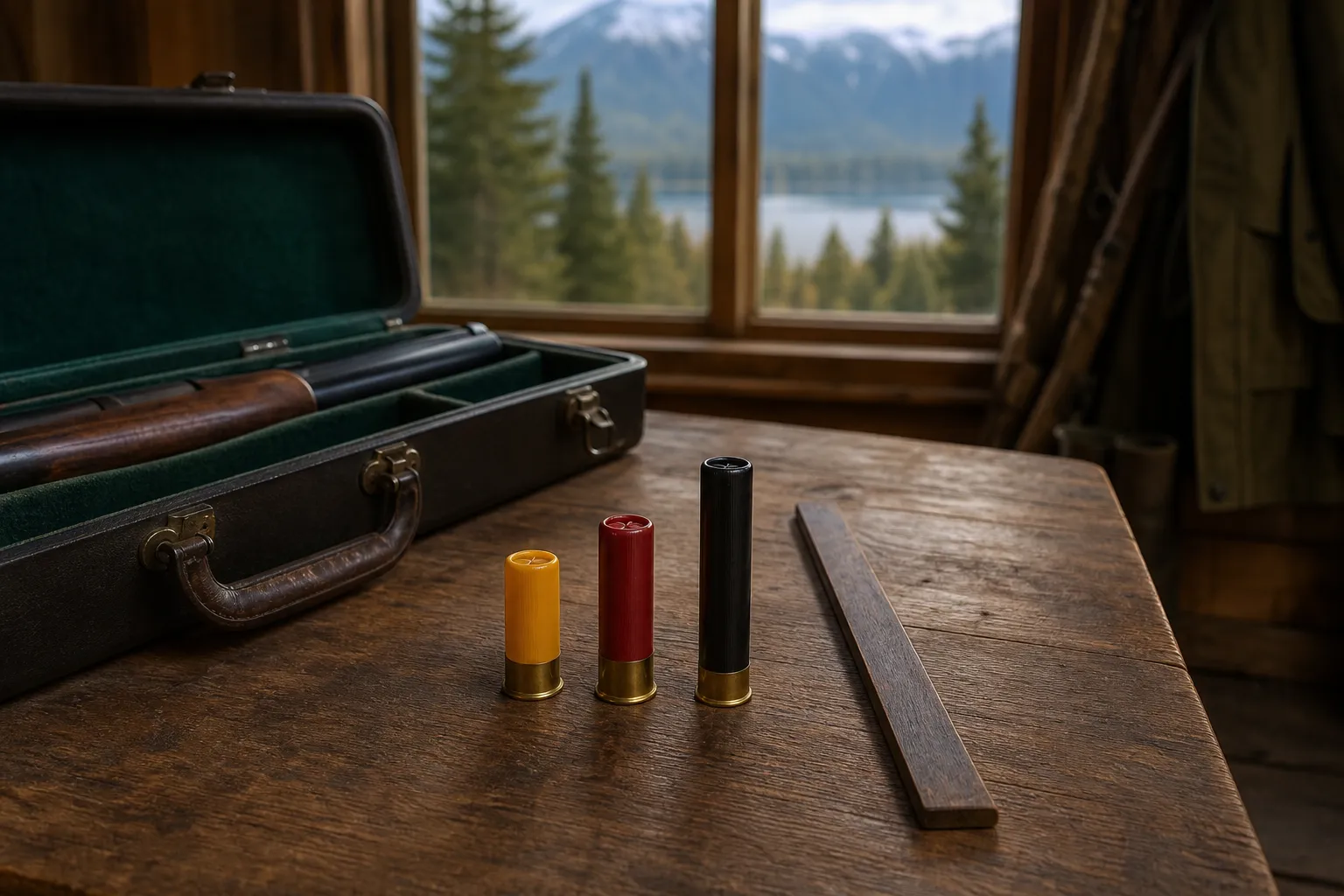
These markings appear in both 12 gauge and 20 gauge ammunition.
| Gauge | Common inch marking |
|---|---|
| 12 gauge | 2¾ inch |
| 12 gauge | 3 inch |
| 12 gauge | 3½ inch |
| 20 gauge | 2¾ inch |
| 20 gauge | 3 inch |
Why an unfired shell looks shorter
A shotshell is closed at the front before firing. Browning gives a clear example: an unfired 2¾-inch shell may measure only about 2½ inches, so the company warns not to measure an unfired shell to determine nominal length.
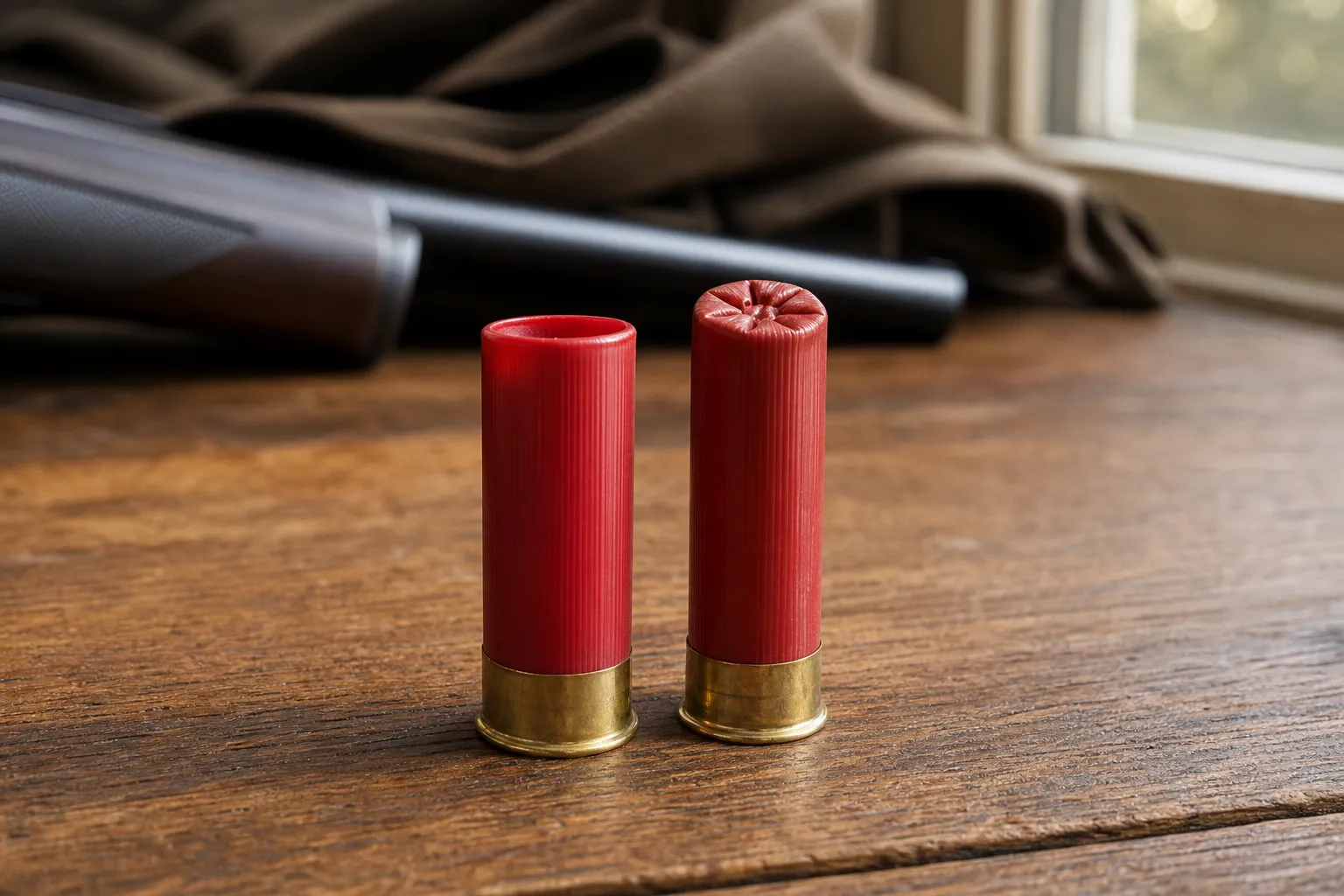
So if you are checking ammunition, do not rely on a ruler measurement of a closed, unfired shell. Use the box marking and shell marking, then compare those markings with the shotgun’s barrel or action marking.
How chamber markings work
Browning says the gauge and chamber length are inscribed on the side of the barrel, and Mossberg instructs users to select ammunition that is the same gauge and length as designated on the left side of the barrel.
A marking such as 12 gauge 3 inch means the shotgun is marked for 12-gauge shells up to the chamber length shown by the manufacturer. A marking such as 20 gauge 2¾ inch means the gun is a 20-gauge shotgun with that marked maximum chamber length.
That is the key habit: read the gun first, then read the ammunition box.
If you are also trying to identify the choke marking on the barrel, see our separate guide to shotgun chokes. For the broader meaning of gauge numbers, see shotgun gauges explained.
The safety rule: shorter may be acceptable, longer is not
Browning warns not to use 3-inch or 3½-inch shells in a barrel with a 2¾-inch or 2½-inch chamber, and not to use 3½-inch shells in a barrel with a 3-inch chamber. Browning states that doing so can result in dangerously high pressures.
SAAMI gives the same direction in interchangeability terms. SAAMI says using shorter shells in a longer chamber of the same gauge is acceptable in examples such as 12-gauge 1¾-inch or 2¾-inch shells in 12-gauge 3-inch or 3½-inch chambers. SAAMI also says the reverse is not true, because a longer shell in a shorter chamber can produce higher than expected pressure, either by design or because the mouth of the shell opens into the forcing cone of the shorter chamber and creates a constriction.
That gives a plain English checklist:
- The gauge must match.
- The shell length must not exceed the chamber length marked on the shotgun.
- If using a shorter shell in a longer chamber, check the firearm manufacturer’s guidance on function.
SAAMI specifically advises users to refer to the firearm manufacturer before using shorter shotshells in a longer chamber if the firearm is not marked for that shorter cartridge length, because function may vary.
Gauge is not shell length
Gauge and shell length are related markings on the same ammunition box, but they do different jobs. Federal explains gauge as a bore based system: a gun maker used lead balls the same diameter as the shotgun bore and counted how many of those balls equal one pound. Federal gives 12 gauge as the example, where 12 lead balls the size of the bore weigh one pound. Federal also notes that .410 is the exception because it is measured in inches.
Gauge identifies the shell family. Length identifies the chamber length category for that shell. A 12-gauge 2¾-inch shell and a 20-gauge 2¾-inch shell share a length marking, but they are different gauges and are not interchangeable.
SAAMI states that different shotshell gauges are never interchangeable. SAAMI gives the example of a 20-gauge shell in a 12-gauge shotgun, where the 20-gauge shell can lodge in the forcing cone of the 12-gauge barrel. Browning gives a similar warning, explaining that the smaller gauge shell will not fall completely through the barrel because its rim can be caught by the front of the larger gauge chamber or at the larger gauge’s choke.
For a direct comparison of two common shotgun gauges, see 12 gauge vs 20 gauge. For the bore that Federal identifies as the exception to gauge naming, see the .410 shotgun explained.
Length is not payload
Shell length is also different from payload. Federal says shotshells can vary by shell length and by payload weight, with shell lengths ranging from 1¾ to 3½ inches and payload weights ranging from 3/8 ounce to 2½ ounces.
So a longer shell does not simply mean “the same load, only longer.” The ammunition box may list gauge, shell length, velocity, payload, shot size, buckshot information, or slug weight, depending on the load. For payload related topics, see our guides to birdshot sizes, buckshot sizes, and shotgun slugs.
Common 12-gauge examples
A 12-gauge shotgun may be marked for 2¾-inch, 3-inch, or 3½-inch shells, depending on the firearm.
Here is how to read common combinations:
| Shotgun chamber marking | Same gauge shell examples under SAAMI guidance |
|---|---|
| 12 gauge 2¾ inch | Do not use 3-inch or 3½-inch shells, per Browning’s warning for 2¾-inch chambers |
| 12 gauge 3 inch | SAAMI says shorter 12-gauge shells such as 2¾ inch are acceptable in a longer 12-gauge chamber, but Browning warns not to use 3½-inch shells in a 3-inch chamber |
| 12 gauge 3½ inch | SAAMI says shorter 12-gauge shells such as 1¾ inch or 2¾ inch are acceptable in a 3½-inch chamber, with manufacturer guidance on function |
The important word is maximum. If the gun is marked with a chamber length, do not exceed that length with the ammunition.
Common 20-gauge examples
A 20-gauge shell is not a smaller 12-gauge shell. It is a different gauge. SAAMI says different gauges are never interchangeable, and both SAAMI and Browning warn about the danger of putting a smaller gauge shell into a larger gauge shotgun.
For 20 gauge, the same matching habits apply: match the gauge, match the shell length to the firearm marking, and do not exceed the chamber length marked on the shotgun.
What to check before buying or loading shells
Before loading a shotgun, check the markings in this order:
- Read the shotgun’s barrel or action marking for gauge and maximum chamber or shell length.
- Read the ammunition box for gauge and shell length.
- Confirm the gauge is the same.
- Confirm the shell length does not exceed the chamber length marked on the shotgun.
- If the shell is shorter than the chamber and the firearm is not marked for that shorter length, check the firearm manufacturer’s guidance on function, as SAAMI advises.
This guide does not cover hunting load rules. Questions about game species, shot material, magazine capacity, seasons, or local restrictions should be confirmed with the state, provincial, territorial, or federal wildlife agency that governs the hunt, using the current official regulations.
Frequently asked questions
Is shotgun shell length measured before or after firing?
Use the marked length on the ammunition box rather than measuring an unfired shell. Browning warns not to measure an unfired shell to determine its nominal length, because an unfired 2¾ inch shell may measure only about 2½ inches.
Can I shoot 3 inch shells in a 2¾ inch chamber?
No. Browning warns not to use 3 inch or 3½ inch shells in a barrel with a 2¾ inch chamber, stating that doing so can result in dangerously high pressures.
Can I shoot 2¾ inch shells in a 3 inch or 3½ inch 12 gauge chamber?
SAAMI says using shorter shells in a longer chamber of the same gauge is acceptable in examples such as 12 gauge 1¾ inch or 2¾ inch shells in 12 gauge 3 inch or 3½ inch chambers. SAAMI also advises checking the firearm manufacturer’s guidance on function if the firearm is not marked for that shorter cartridge length.
Are 12 gauge and 20 gauge shells interchangeable if the length matches?
No. SAAMI states that different shotshell gauges are never interchangeable and gives the example of a 20 gauge shell in a 12 gauge shotgun lodging in the forcing cone of the 12 gauge barrel.
Does a longer shotgun shell always mean a heavier payload?
No. Federal explains that shotshells vary independently by shell length and payload weight.
Sources
- Canadian Firearms Safety Course Student Handbook, 2014, Canadian Firearms Program course material mirror. Accessed October 31, 2026.
- SAAMI Standards, Sporting Arms and Ammunition Manufacturers’ InstituteOfficial source. Accessed October 31, 2026.
- ANSI/SAAMI Z299.2 Shotshell, 2019, Sporting Arms and Ammunition Manufacturers’ InstituteOfficial source. Accessed October 31, 2026.
- Generally Accepted Firearms and Ammunition Interchangeability, 10/8/2021, Sporting Arms and Ammunition Manufacturers’ InstituteOfficial source. Accessed October 31, 2026.
- C.I.P. Homologation, TDCC Tab VII, Shot cartridges, Commission Internationale Permanente pour l'Epreuve des Armes à Feu PortativesOfficial source. Accessed October 31, 2026.
- Browning 2000 Auto Shotgun Manual, BrowningOfficial source. Accessed October 31, 2026.
- Browning BPS Pump Shotgun Owner’s Manual, BrowningOfficial source. Accessed October 31, 2026.
- Mossberg 590RM Owner’s Manual, O.F. Mossberg & SonsOfficial source. Accessed October 31, 2026.
- Ammo Basics, Shotshell, Federal Premium AmmunitionOfficial source. Accessed October 31, 2026.
- 2026 Federal Catalog, Shotshell Load Data, Federal Premium AmmunitionOfficial source. Accessed October 31, 2026.
- Canadian Firearms Safety Course 2008. Accessed October 31, 2026.