.243 Winchester: History, Specifications and Common Uses
.243 Winchester is a .243 inch centerfire rifle cartridge introduced by Winchester in 1955. It is based on the .308 Winchester case and is commonly discussed as a dual purpose varmint and deer cartridge.
By RaiS. Reviewed by RaiS. Published . 4 min read.
Research and drafting were assisted by AI. RaiS checked the facts against the sources below and approved this page.
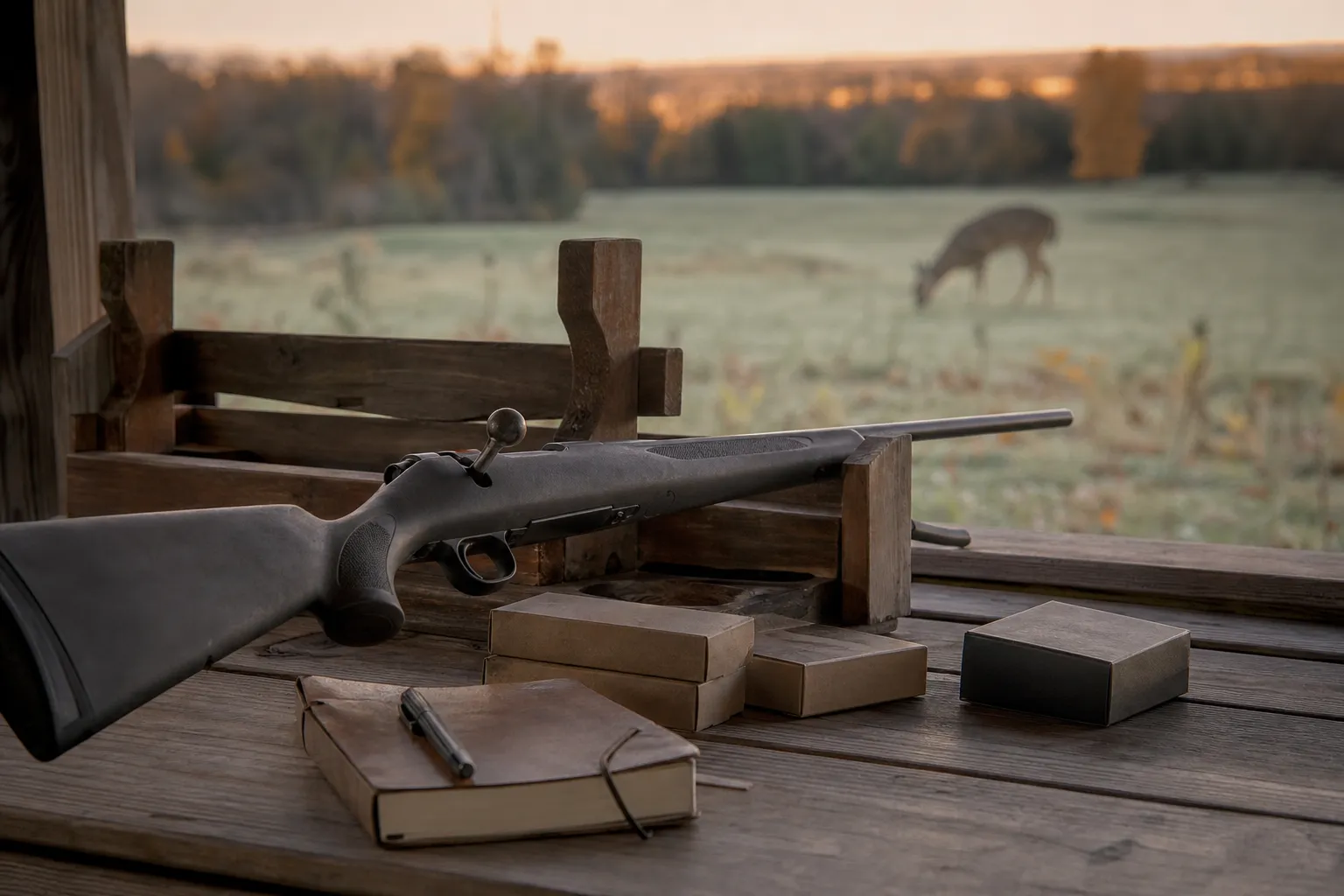
.243 Winchester is a centerfire rifle cartridge introduced by Winchester in 1955. Sierra describes it as based on the .308 Winchester case and intended from the start as a dual purpose varmint and deer cartridge.
Origin of the .243 Winchester
Winchester Repeating Arms places the introduction of the .243 Winchester cartridge in 1955. Sierra also gives 1955 as the introduction year and describes the cartridge as intended to serve as a true dual purpose varmint and deer cartridge.
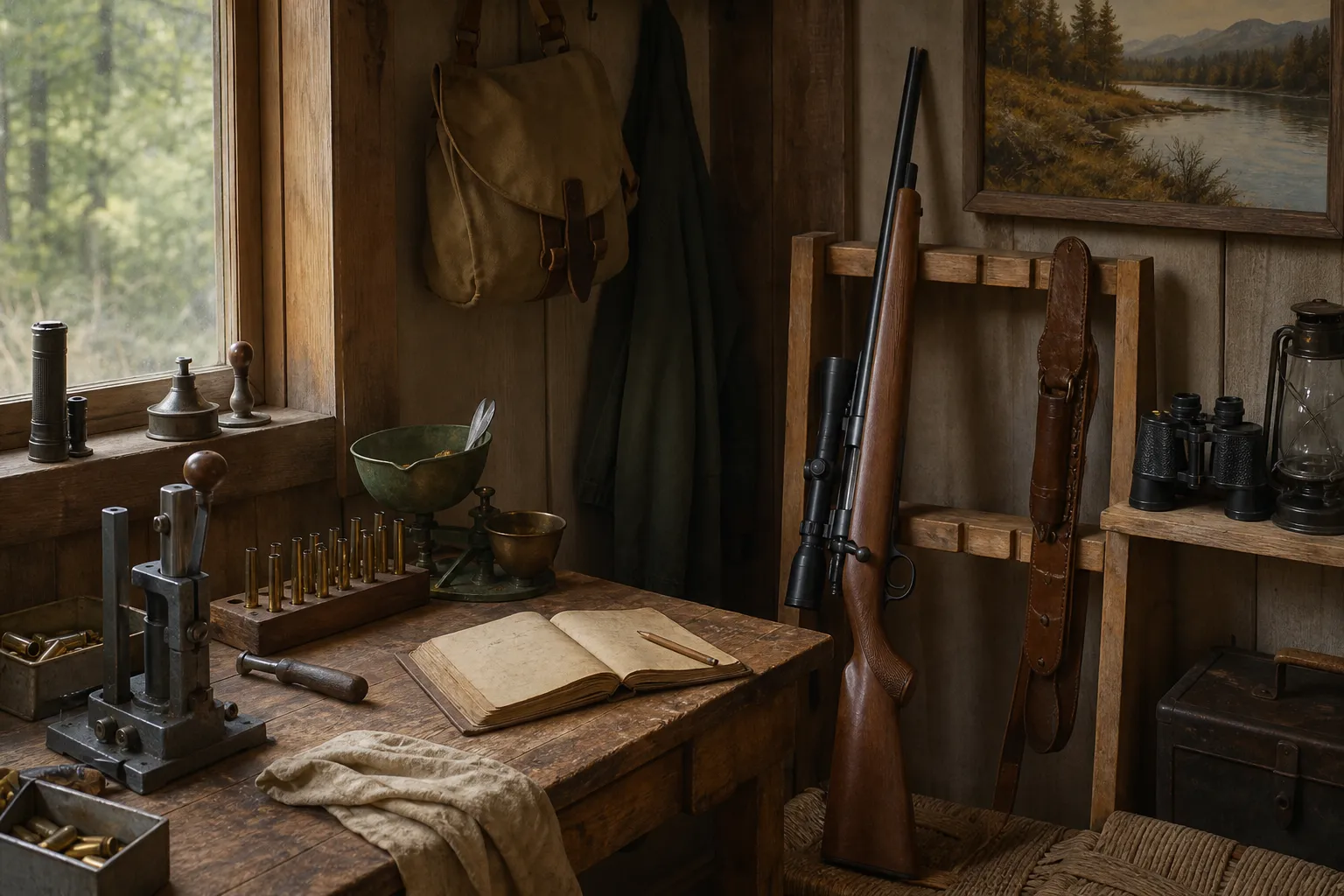
The parent case is the .308 Winchester. Sierra states that the .243 Winchester is based on the .308 Winchester case and connects its development to earlier work by Warren Page, who necked experimental 7.62mm NATO cases down to accept .243 inch projectiles.
That origin explains the basic idea of the cartridge: a .308 based case using a smaller .243 inch projectile. For a new rifle owner, the important point is that .243 Winchester is not a rimfire or small rimmed sporting cartridge. It is a centerfire rifle cartridge with international specifications.
Basic .243 Winchester specifications
C.I.P. lists .243 Win. with the United States as the country of origin and gives projectile and pressure values for the cartridge.
| Specification | C.I.P. value |
|---|---|
| Bullet or projectile diameter | 6.17 mm projectile G1 |
| Pressure value | Pmax 4,150 bar by transducer method |
Barrel twist rate matters because it is one part of how a barrel stabilizes a bullet, but this guide does not recommend a particular rifle or load. For the general concept, see rifle twist rate explained.
Bullet diameter and bullet weights
The cartridge name reflects its bullet diameter. C.I.P. lists the projectile value as 6.17 mm.
Sierra describes .243 Winchester hunting bullets as ranging from 60 to 100 grains. In the same discussion, Sierra says that with hunting bullets in that range, the .243 is well suited to game from varmints to mule deer.
Sierra also lists lighter .243 bullet examples for varmint use, including 55 and 70 grain BlitzKing bullets and 60 and 75 grain hollow point Varmintner bullets.
The bullet examples are not handloading instructions. Use current manufacturer data for any ammunition performance question, and do not substitute general examples for published load data.
Common uses
Sierra’s description is the clearest summary of the cartridge’s common role: the .243 Winchester was intended as a dual purpose varmint and deer cartridge. Sierra also states that with 60 to 100 grain hunting bullets, it is suited to game from varmints to mule deer.
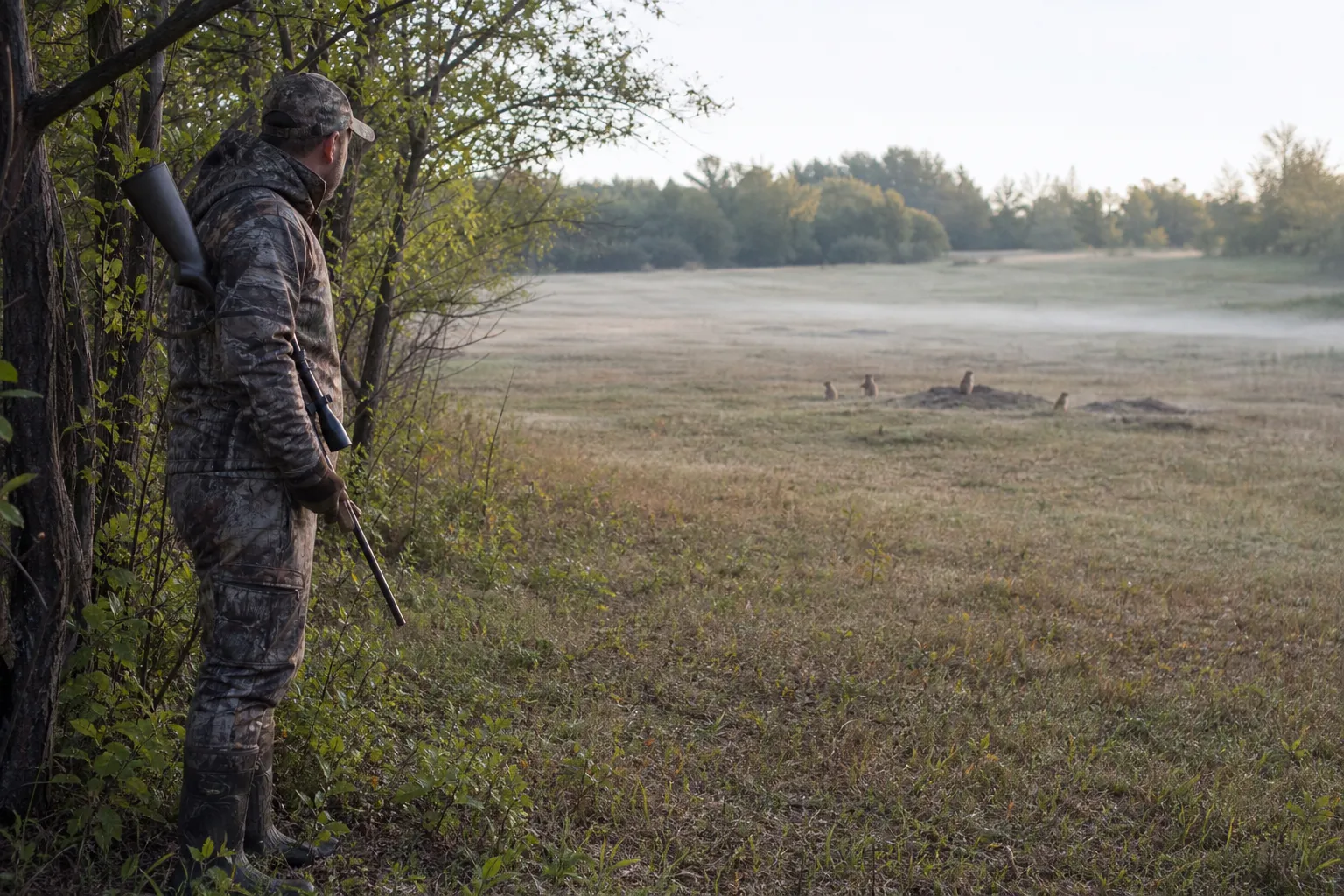
Winchester’s centerfire rifle education sheet lists target shooting and hunting as common uses for centerfire rifle ammunition, and includes .243 Win among popular centerfire rifle cartridges. That does not make one cartridge right for every target or every hunt, but it helps explain why .243 Winchester appears often in discussions of general purpose centerfire rifles.
For deer hunting, cartridge choice is only one part of the decision. Bullet type, bullet weight, impact energy, shot placement, and current wildlife rules can all matter. For a broader look at caliber choice for deer, see deer hunting calibers and deer shot placement.
Practical limits for hunters
The .243 Winchester is often discussed as a varmint and deer cartridge, but official hunting rules are more specific than cartridge reputation. Hunters must read current regulations before going afield.
Rules can include details such as caliber, bullet weight, bullet construction, energy, and whether the rifle is centerfire or rimfire. For the difference between ignition systems, see rimfire vs centerfire ammunition.
These rules do not transfer automatically from one state, province, species, season, or hunt area to another. Always use the current rulebook for the exact hunt.
How to read .243 Winchester ballistics claims
Published velocity figures depend on the specific factory load being described.
That is why bullet weight and load identity matter. A single cartridge name does not describe one fixed velocity, one trajectory, or one hunting role. The exact bullet, manufacturer listing, and current catalog data are part of the specification for that ammunition.
When comparing loads, new shooters will also see terms such as ballistic coefficient, bullet weight, muzzle velocity, and energy. This article covers general .243 Winchester facts and does not replace current ammunition data. For a primer on one common performance term, see ballistic coefficient explained.
.243 Winchester in context
The .243 Winchester sits among popular centerfire rifle cartridges listed by Winchester, alongside examples such as .223 Rem..270 Win., 6.8 Western, 300 Win Mag, and 350 Legend. It is smaller in bullet diameter than many traditional big game cartridges, but it remains a centerfire rifle cartridge.
Its historical identity is especially tied to dual use. Sierra’s account emphasizes varmints and deer, while bullet discussions include lighter varmint bullets and 60 to 100 grain hunting bullets. That range is one reason the cartridge remains a common research topic for new hunters and rifle owners.
What to check before buying or hunting
Before using .243 Winchester for hunting, check the current rulebook from the wildlife agency for the exact place, species, season, and method of take. Winchester’s centerfire rifle education sheet also tells hunters to consult local hunting regulations before going afield.
Also check the current ammunition manufacturer’s data for the exact load, including bullet weight, bullet type, and any published velocity or energy information needed for the regulation you are trying to meet. Cartridge specifications describe the cartridge, but hunting rules decide what may be used in a specific hunt.
Frequently asked questions
When was the .243 Winchester introduced?
Winchester Repeating Arms places the introduction of the .243 Winchester cartridge in 1955. Sierra also states that it was introduced in 1955.
What is the parent case of the .243 Winchester?
Sierra states that the .243 Winchester is based on the .308 Winchester case. Sierra also connects it to Warren Page’s earlier work necking experimental 7.62mm NATO cases down for .243 inch projectiles.
What bullet diameter does .243 Winchester use?
C.I.P. lists the projectile value as 6.17 mm.
What bullet weights are common for .243 Winchester?
Sierra describes .243 Winchester hunting bullets as ranging from 60 to 100 grains. Sierra also lists lighter varmint examples, including 55 and 70 grain BlitzKing bullets and 60 and 75 grain hollow point Varmintner bullets.
Can .243 Winchester be used for big game hunting?
Sierra describes the .243 Winchester as suited to game from varmints to mule deer with 60 to 100 grain hunting bullets. Actual legality depends on the current wildlife regulations for the species and location, including rules for caliber, bullet type, bullet weight, and energy where those rules apply.
Sources
- Historical Timeline 1950-1999, Winchester Repeating Arms. Accessed November 12, 2026.
- SAAMI Centerfire Rifle Voluntary Performance Standards, Velocity and Pressure Data, Sporting Arms and Ammunition Manufacturers’ InstituteOfficial source. Accessed November 12, 2026.
- C.I.P. TDCC, 243 Win., Commission Internationale Permanente pour l’Epreuve des Armes à Feu PortativesOfficial source. Accessed November 12, 2026.
- .243 Winchester Rifle Reloading Data, Sierra Bullets. Accessed November 12, 2026.
- Hornady 2026 Product Catalog, Hornady Manufacturing. Accessed November 12, 2026.
- Hornady 2025 Product Catalog, Hornady Manufacturing. Accessed November 12, 2026.
- Remington 2022 Retail Catalog, Remington Ammunition. Accessed November 12, 2026.
- Ammo 101: Centerfire Rifle, Winchester Ammunition Academy. Accessed November 12, 2026.
- 2026 Colorado Big Game Hunting Brochure, Colorado Parks and WildlifeOfficial source. Accessed November 12, 2026.
- Washington Big Game Hunting Regulations 2025, Washington Department of Fish and WildlifeOfficial source. Accessed November 12, 2026.